Camping in Abu Dhabi: Every Spot, Rule & Option That Matters
Twelve real spots compared, the legality question nobody else answers, month-by-month night temperatures — and the one option needing no tent, no 4×4, no gear: our licensed camp in the Al Khatim dunes, 50–60 minutes from the city.
The Short Answer
Camping in Abu Dhabi is legal, spectacular and runs from free government campsites to luxury desert domes. Casual overnight camping in open, non-protected desert is tolerated; organised group camps need a municipal permit; protected reserves are strictly off-limits. The season runs late October to April, when desert nights turn genuinely cold while days stay warm. The closest true dune camping to the city is the Al Khatim desert, 50–60 minutes east on the E22 — exactly where our private camp sits. Own a 4×4 and full kit? This guide gives you twelve spots. Own neither? Our overnight desert safari hands you the whole experience — dinner, shows, bed and breakfast — with nothing to carry.
| Key question | Straight answer |
|---|---|
| Is it legal? | Yes in open non-protected desert; permits needed for organised groups; reserves off-limits |
| Best free site | Al Wathba Lake Camp — 13 campsites, restrooms, BBQ areas, no charge |
| Closest real dunes | Al Khatim, ~80 km east of the city, 50–60 min on the E22 |
| Season | Late October to April; December–February nights need proper layers |
| No gear or 4×4? | Book a licensed private camp — ours includes dinner, shows and breakfast |
| Cost spectrum | Free public sites to AED 900+ luxury domes (venue-published rates) |
| Emergency numbers | 999 police · 998 ambulance · 997 civil defence |
Is Camping Legal in Abu Dhabi?
Yes — there is no blanket ban on camping in the emirate’s open, non-protected desert, and families pitch tents every winter weekend without paperwork. The rules tighten in three situations — organised gatherings, protected reserves, environmental damage — and understanding those three lets you camp with confidence.
Here is the detail every other camping page dodges. Al Dhafra municipal authorities have publicly warned against unauthorised camping and gatherings in public areas without permits, with reported enforcement for unpermitted organised events ranging from around AED 500 up to AED 20,000. That targets structured group camps — not a family with two tents on an open dune.
Protected areas are different. Entering a reserve without Environment Agency – Abu Dhabi permission has drawn reported fines as high as AED 165,000 in one widely covered Al Wathba case, and federal environment law sets penalties of AED 10,000–30,000 for damaging flora or dumping waste — anywhere. The practical reading: camp where camping is clearly happening, never cross a reserve fence, carry waste home, keep fires contained.
What this means for your weekend
A private trip in open, non-protected desert such as Al Khatim or Al Razeen needs no permit. Anything organised — a company away-day, a paid event — should be cleared with the municipality first. Or remove the ambiguity: at a licensed private camp the operator’s DCT licence settles legality before you leave the house, and at our Al Khatim camp the permissions are our problem, not yours.
The 12 Best Camping Spots in Abu Dhabi, Compared
Abu Dhabi’s camping map runs from a free serviced government campsite at Al Wathba to the 300-metre monster dune at Tal Moreeb in Liwa. The right choice hangs on four things: drive time, facilities, whether you have a 4×4, and budget. The table compares every Abu Dhabi camping site worth your fuel — then we walk through each.
| Spot | Type | Drive from Abu Dhabi | Facilities | Cost band | Best for |
|---|---|---|---|---|---|
| Al Wathba Lake Camp | Government campsite | ~45 min | Restrooms, first aid, 24 BBQ areas, playgrounds, walking path | Free | First-timers, families without gear experience |
| Al Khatim desert | Open dunes + licensed private camps | 50–60 min | None in open desert; full facilities at our private camp | Free DIY / camp packages | Real dune camping closest to the city |
| Jebel Hafit Desert Park | Managed park (Al Ain) | ~90 min | Pitches, serviced Bedouin camps, domes, activities | AED 100–900+ (park’s published rates) | Mountain scenery, archaeology, all budgets |
| Liwa / Tal Moreeb | Open mega-dunes | 2.5–3.5 h | None; festival infrastructure in winter | Free DIY | Serious dune drivers, the biggest sands |
| Al Qua’a Milky Way Spot | Open desert, dark sky | ~90 min | None at all | Free | Astrophotographers, stargazers |
| Al Razeen | Open desert | ~60–75 min | None | Free | Big open weekends, motocross crowds |
| Al Khaznah | Open desert | ~60 min | None | Free | Quiet mid-week escapes off the E22 |
| Mirfa Beach | Coastal camping | ~90 min–2 h | Town supplies nearby; festival services seasonally | Free | Sea breeze, kitesurfing, festival weekends |
| Al Dhafra Beach | Coastal camping | ~2 h | None | Free | Remote shoreline solitude |
| Bab Al Nojoum, Hudayriyat | Urban glamping | ~20 min | Full resort-style service | Premium (venue rates) | Comfort seekers who want the city close |
| Camp Nujum (Qasr Al Sarab area) | Luxury desert camp | ~2.5 h | Full luxury service | Premium (venue rates) | Special occasions in the Empty Quarter |
| Arabian Nights Village / Green Mubazzarah | Heritage village / hot-spring chalets | ~60–90 min | Full service | Mid–premium (venue rates) | Heritage stays, families wanting beds |
Two honest observations from a decade-plus out here. The official tourism lists lean on managed venues and skip Al Khatim almost entirely — yet it is the closest genuinely tall dune field to the city, and where we built our own camp. And distance is the silent budget item: a Liwa weekend costs five-plus hours of driving before you unroll a sleeping bag.
The 12 Spots in Detail: What Each One Is Really Like
Short profiles: terrain, facilities, and the camper each spot rewards. Drive times are from central Abu Dhabi; venue prices are quoted as that venue’s published rates.
1. Al Wathba Lake Camp — the free, serviced starter site
A government-built campsite about 45 minutes out — the easiest introduction to sleeping outdoors here. Free and well equipped: 13 campsites holding around 120 campers, 24 BBQ and picnic areas, a 1,400 m walking path, a 1,200 m pump track, volleyball courts, playgrounds, food-truck spaces, parking, restrooms and first aid. You bring tent and bedding; the scary parts are removed. The trade-off: organised recreation ground, not wilderness, and weekend nights fill fast.
2. Al Khatim — real dunes, one hour, our home ground
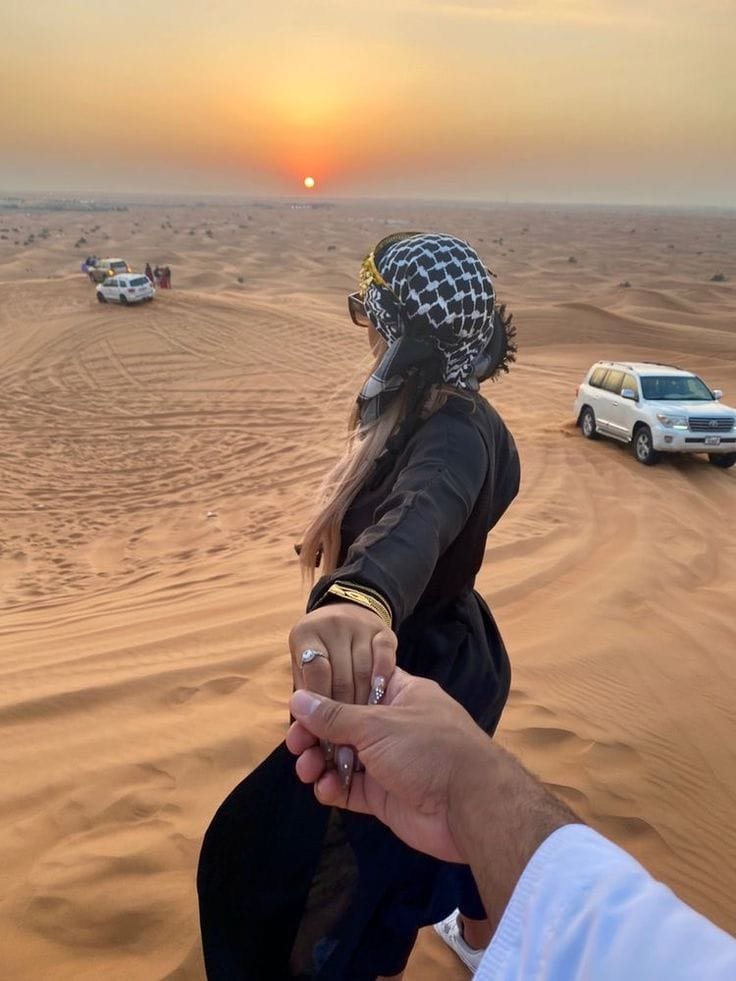
Follow the E22 Abu Dhabi–Al Ain highway about 80 km east and the roadside scrub becomes rolling golden dunes rising past 100 metres. Al Khatim is the closest true desert camping to the city at 50–60 minutes, and where our private camp has operated for years. DIY campers pull off, deflate and pitch behind the first big ridge — no facilities in the open sand, so everything comes in and out with you. Or skip the logistics: our licensed camp sits in these dunes with seating, restrooms, kitchen and a full evening programme. Our Al Khatim desert guide covers terrain and access.
3. Jebel Hafit Desert Park — camping under a mountain
On Jebel Hafit’s flank outside Al Ain, a managed park mixing camping with archaeology — ancient tombs and a UNESCO-listed cultural landscape alongside. It serves all budgets: park-published rates from around AED 100 for an own-tent pitch, serviced Bedouin-style camps from about AED 500 with breakfast, luxury domes from about AED 900 (book ahead via the park). Rock backdrop rather than sand — the emirate’s most scenic non-dune option, with hiking and bike trails.
4. Liwa and Tal Moreeb — the big league
At the Empty Quarter’s edge, 2.5–3.5 hours out, Liwa is the pilgrimage. Tal Moreeb climbs roughly 300 metres, and the winter festival period sees up to 1,400 tents at its base, stargazing pods among recent additions. Outside festival time: no facilities, spaced fuel stops, soft sand that punishes inexperience — convoy driving is non-negotiable. If Liwa calls but the logistics do not, our Liwa desert safari and Moreeb Dune guide show it without owning a recovery kit.
5. Al Qua’a Milky Way Spot — the darkest sky in the UAE
About 90 minutes south-east, Al Qua’a is the astrophotographers’ benchmark — the country’s darkest accessible sky, Milky Way core naked-eye visible on moonless winter nights. Zero facilities, no shade, no signal guarantees. Come self-sufficient, arrive before dark, and check the lunar calendar: a full moon flattens the show.
6. Al Razeen — the weekend crowd’s open desert
South of the city, 60–75 minutes out, Al Razeen is where big family groups and motocross riders spread across low dunes. It absorbs crowds well — drive ten minutes deeper and find an empty bowl even on a busy winter Friday. No facilities, easy navigation on established tracks, less tall scenery than Al Khatim: space over drama.
7. Al Khaznah — the quiet mid-point
Between Abu Dhabi and Al Ain on the same E22 corridor, about an hour out, Al Khaznah offers modest dunes and genuine quiet, especially mid-week — solitude without the Liwa drive. Facilities: none. Bring everything, take everything back out.
8. Mirfa Beach — desert camping’s coastal cousin
West along the coast, 90 minutes to two hours, Mirfa swaps dunes for a long shallow beach with reliable breeze — hence the Al Dhafra Watersports Festival. The town sits close for supplies and fuel, making Mirfa the most forgiving remote-ish option. Nights run milder than inland; kitesurfers own the shallows by day.
9. Al Dhafra Beach — the far shoreline
Further west, around two hours out, Al Dhafra Beach is proper coastal remoteness: empty sand, warm shallow water, near-total silence. No facilities — treat it like open-desert camping with added humidity and tide awareness. Weekday nights feel like a private emirate.
10. Bab Al Nojoum, Hudayriyat Island — glamping twenty minutes from town
The opposite philosophy: serviced glamping on Hudayriyat Island, barely 20 minutes from downtown, with beds, bathrooms and dining at the venue’s premium rates. You gain comfort; you give up the desert itself. A sensible first “outdoor” night with reluctant company.
11. Camp Nujum — luxury in the Qasr Al Sarab dunes
Deep south near the Qasr Al Sarab area, around 2.5 hours out, Camp Nujum sells the high-end Empty Quarter fantasy: apricot mega-dunes, styled tents, full service at luxury venue rates. A destination stay rather than a camping trip.
12. Arabian Nights Village and Green Mubazzarah — beds with heritage
Two managed alternatives for groups split between campers and non-campers. Arabian Nights Village recreates a heritage desert settlement about an hour inland — our Bedouin camp guide explains how heritage set-ups differ from working safari camps. Green Mubazzarah, at Jebel Hafit’s foot, offers chalets beside natural hot springs — more mountain picnic with plumbing than camping.
Want the Dunes Without the Drive-and-Dig?
Join our evening safari at our private Al Khatim camp — dune bashing, sandboarding, camel ride, live shows and BBQ buffet from AED 35 self-drive, AED 50 shared bus or AED 100 hotel pickup — then stay the night on the overnight programme.
When Is Camping Season in Abu Dhabi?
Late October to April. Those months bracket the window when daytime heat drops out of the danger zone and desert nights turn pleasant — sometimes genuinely cold. Outside it, summer camping is a specialist exercise in heat management we do not recommend to visitors.
The months feel very different. Late October carries summer’s tail — warm evenings, sand holding heat after dark. December through February is fleece-and-beanie territory once the sun drops. March swings back to balminess; April is the last responsible call. City weather records tell it cleanly:
| Month | Mean low (°C) | Mean high (°C) | Camping verdict |
|---|---|---|---|
| October | 23.7 | 36.6 | Season opens late-month; warm nights, easy packing |
| November | 19.6 | 31.0 | Arguably the sweet spot — warm days, mild nights |
| December | 15.7 | 26.5 | Peak demand; bring real layers for after dark |
| January | 13.8 | 24.5 | Coldest nights of the season; sleeping-bag rating matters |
| February | 15.9 | 26.5 | Cold nights persist; superb clear skies |
| March | 17.5 | 29.7 | Comfortable all round; occasional windy spells |
| April | 21.1 | 35.0 | Season finale; camp high for breeze, hydrate hard |
One critical correction: those are city readings, and the open desert runs noticeably colder at night — no urban warmth, no sea moderation, sand shedding heat fast after sunset. Budget several degrees below the table after midnight. Guests who join January overnights in T-shirts learn this by 9 PM; guests who read our what-to-wear guide first stay warm to sunrise.
How cold does the desert actually get at night?
Cold enough to matter. On December–February nights the dune fields feel markedly below the city’s 13.8–15.9 °C mean lows, ridge-top wind chill doing the rest — hence the local advice of a sleeping bag rated around 5 °C for winter DIY camping. Layers beat one heavy jacket: a single evening can pass from 28 °C at pickup to low teens by the small hours.
Picking your month by what you want
Warm days and lazy evenings: late October and November. Crisp air, sharp stars, campfire mood: December to February — book weekends early, the whole emirate has the same idea. Balance with fewer crowds: March. Our best-time guide breaks the same calendar down for safari activities.
Night Camping in Abu Dhabi: The Hour-by-Hour Experience
Night camping in Abu Dhabi follows a rhythm the brochures never describe: a hot, busy arrival melts into a long, cold, star-heavy quiet — the transition is the magic. Here is the night, drawn from our Al Khatim camp programme; the arc holds for DIY too.
3:00–4:30 PM — leaving the city
Winter camping days start mid-afternoon for a reason: camp must be sorted before dark. Our evening safari pickups run 3:00–3:30 PM; DIY campers should be off the tarmac and deflating tyres by 4, while the light is still harsh.
4:30–6:00 PM — dunes at golden hour
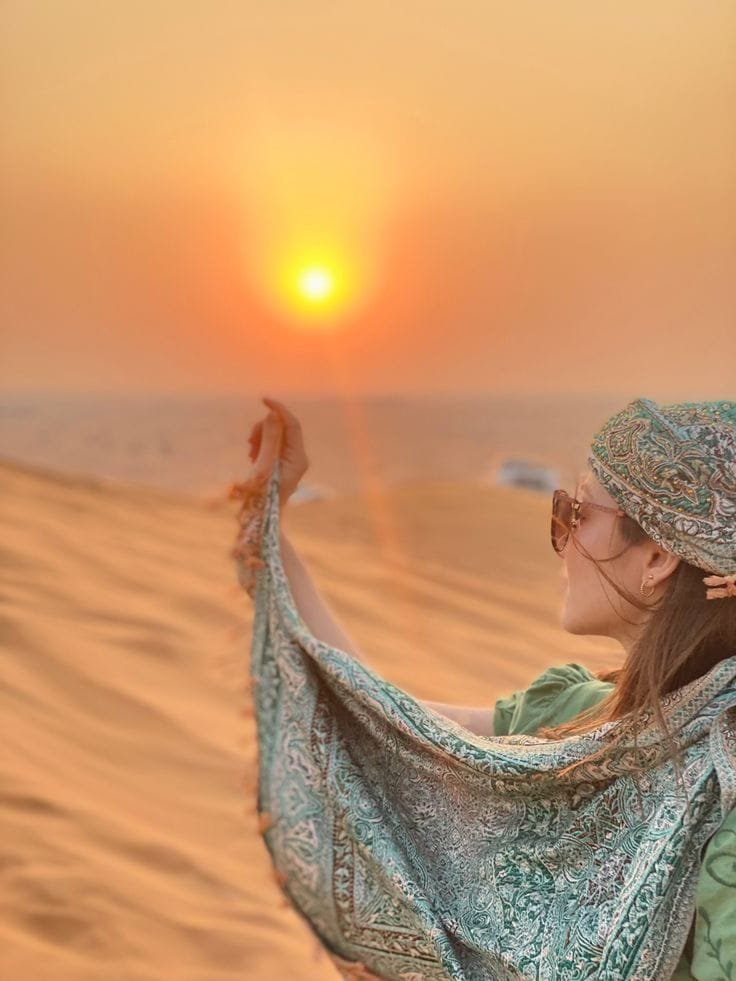
The desert switches on. Shadows stretch, sand turns amber, our Land Cruisers run their dune-bashing circuits and sandboards come off the racks. DIY campers: pitch now, on flat ground, never at a dune base where cresting vehicles cannot see you. Then climb the nearest ridge for sunset — in Al Khatim that can mean a 100-metre vantage.
6:00–8:00 PM — the fire hours
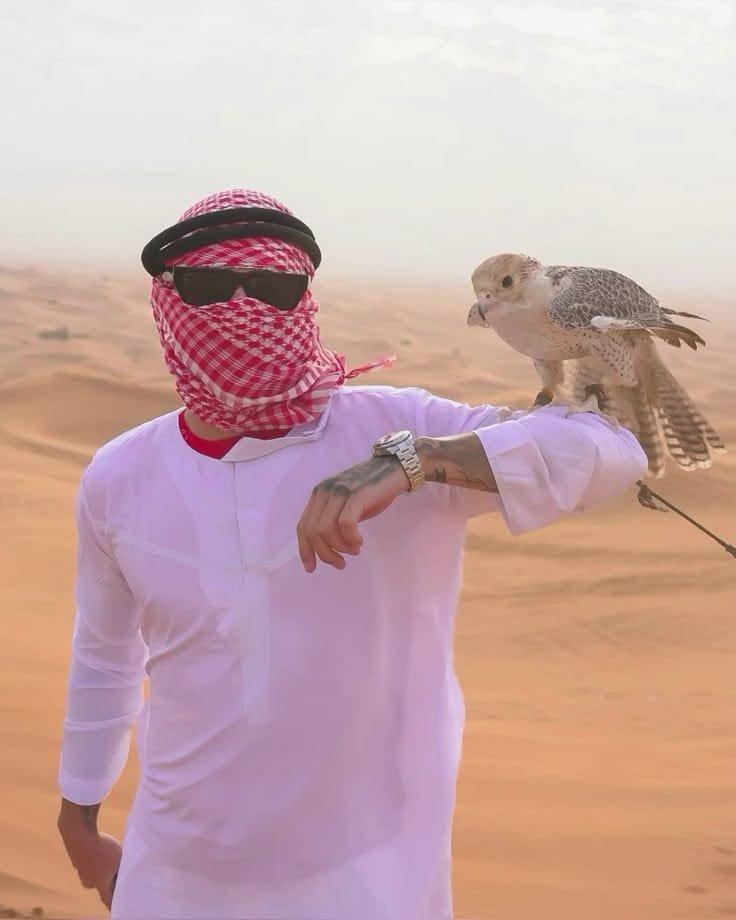
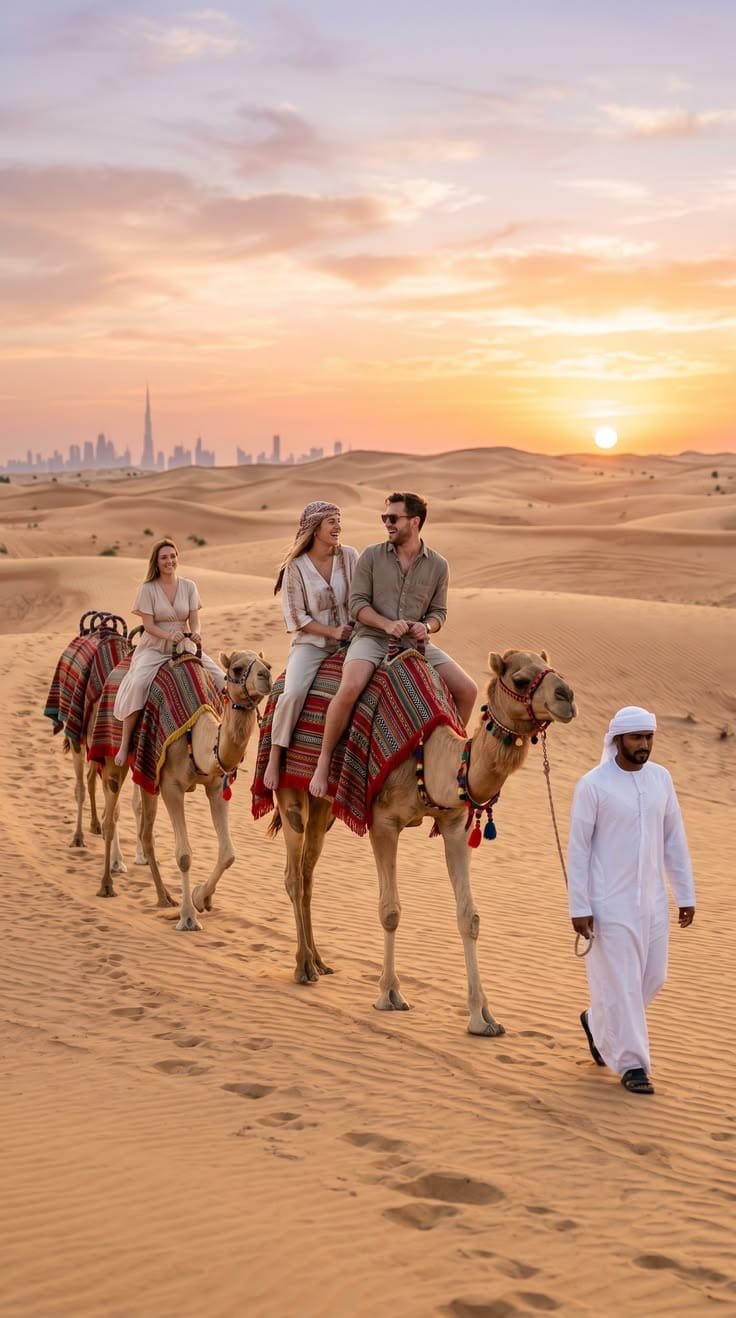
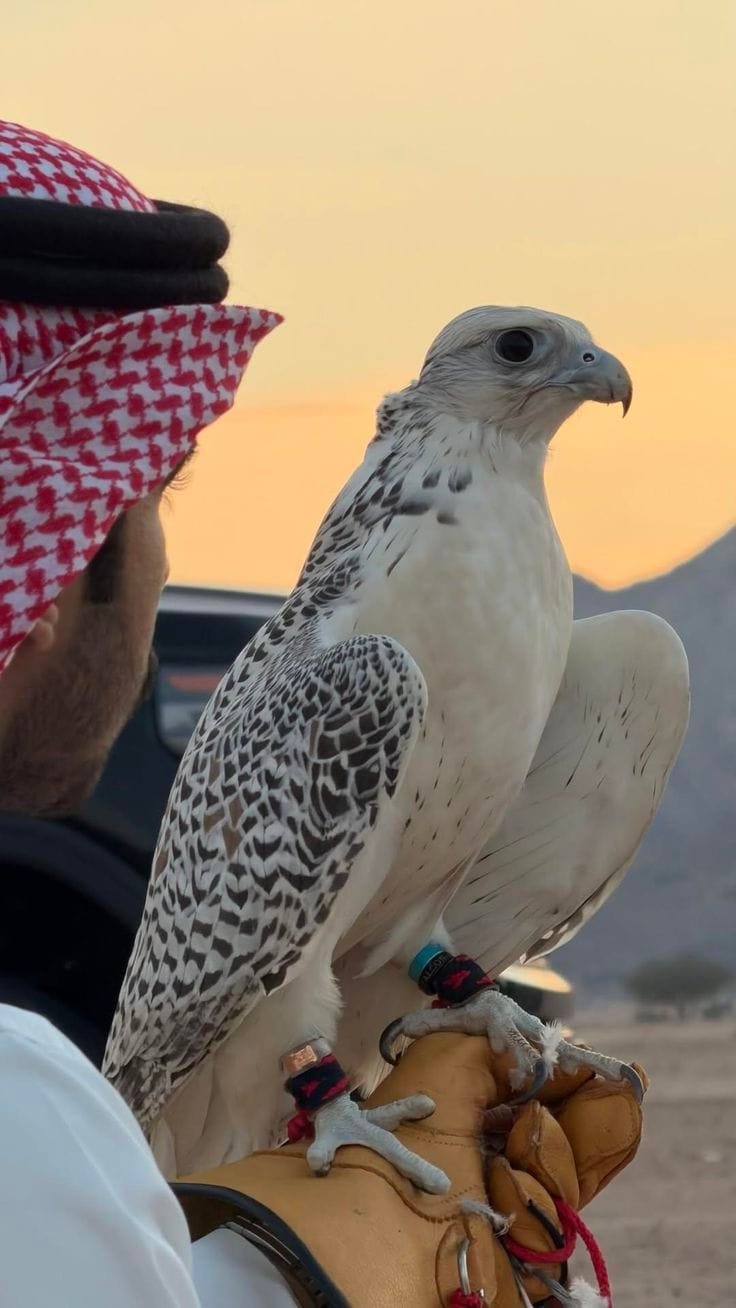
Dark falls fast and the temperature slides. Camel rides, falcon photos and henna fill early evening at our camp; on a private pitch this is cooking time, the contained fire pit the centre of gravity. Arabic coffee and dates make sense out here in a way they never do in a mall.
8:00–10:00 PM — dinner and the shows
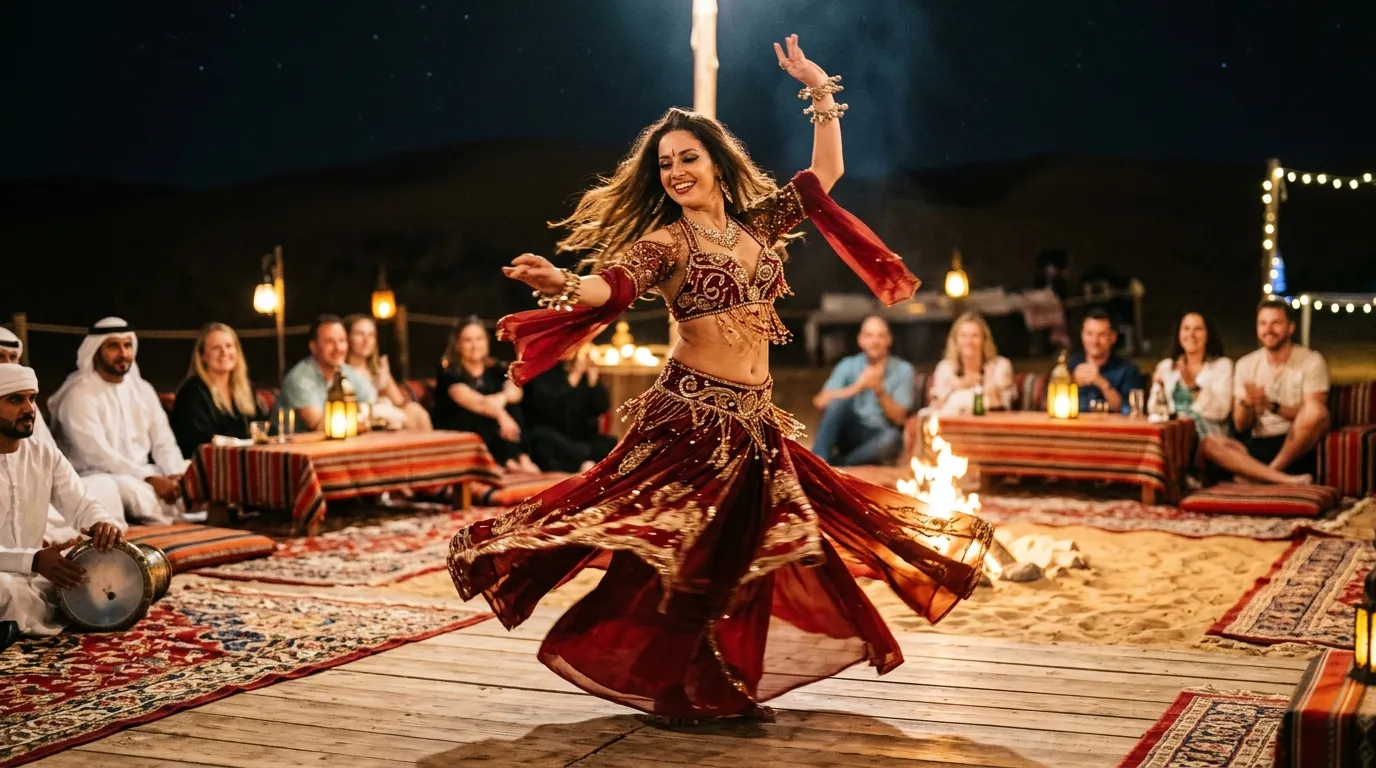
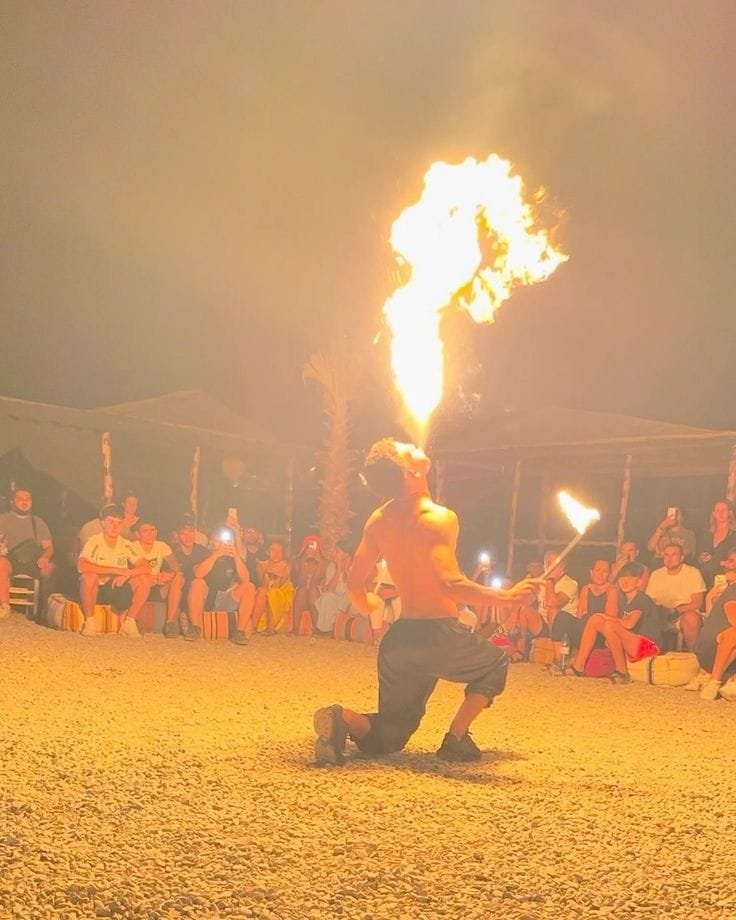
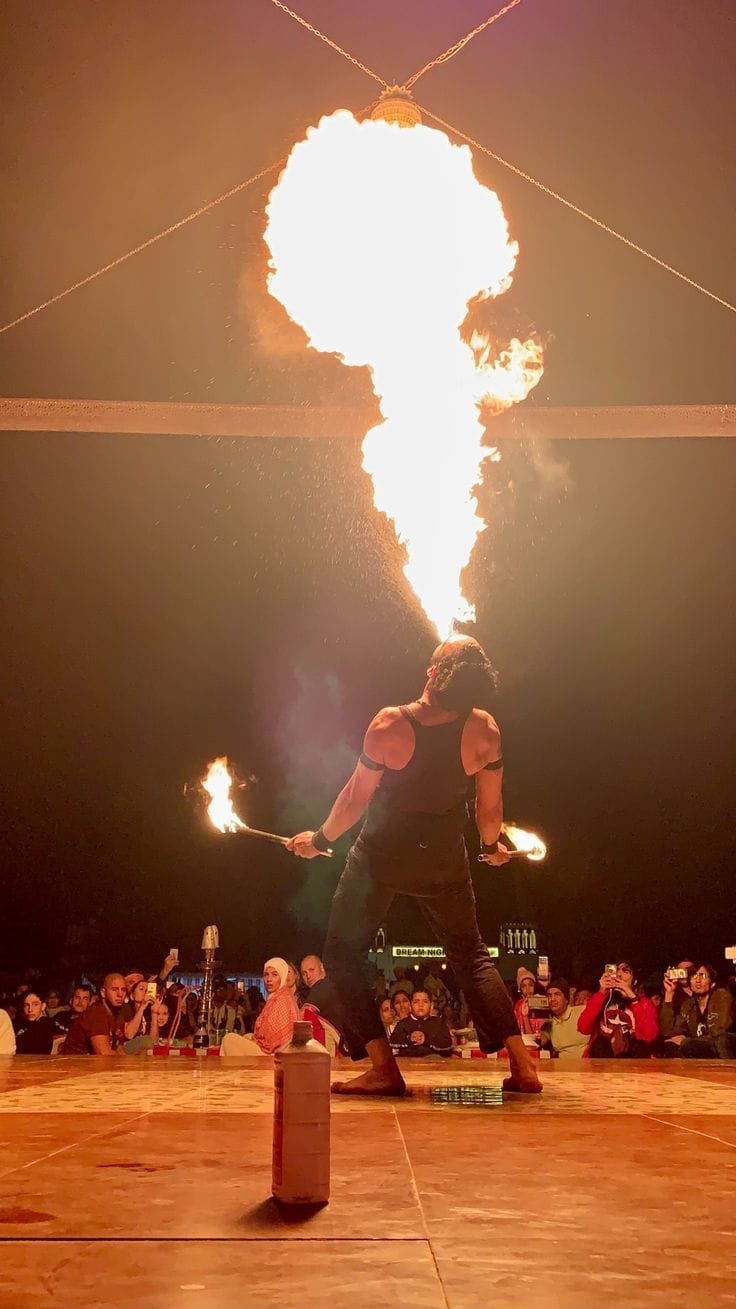
The BBQ buffet lands — veg and non-veg lines — then the live sequence of belly dance, Tanoura spin and fire show under the open sky. Day guests board transfers around 10; the camp empties, the music dies, and overnight guests inherit a private dune field gone completely silent. Full running order on our timings and schedule page.
10:00 PM–midnight — the sky takes over
With camp lights low and the city 80 km away, the stars come out in ranks the coast never shows. This is the window for lying back on a majlis cushion or a dune crest and doing nothing at all. Cold arrives properly now; the fleece you doubted at pickup earns its place.
Midnight–5:30 AM — the deep quiet
The strangest, best part of desert night camping is the silence — no traffic hum, no aircon, just occasional wind moving sand. Light sleepers wake once or twice simply because the quiet is unfamiliar. Keep water beside you, shoes on something raised, and the tent zipped against curious beetles.
5:30–8:00 AM — sunrise and breakfast
Dawn is the reward for the cold: the sand goes pink, then gold, and for half an hour the desert is at its most photogenic. Overnight guests at our camp wake to breakfast before the drive back; DIY campers should strike early, pack out every trace and reach tarmac before the sand loosens in the warming sun.
No 4×4? No Gear? You Can Still Camp Tonight
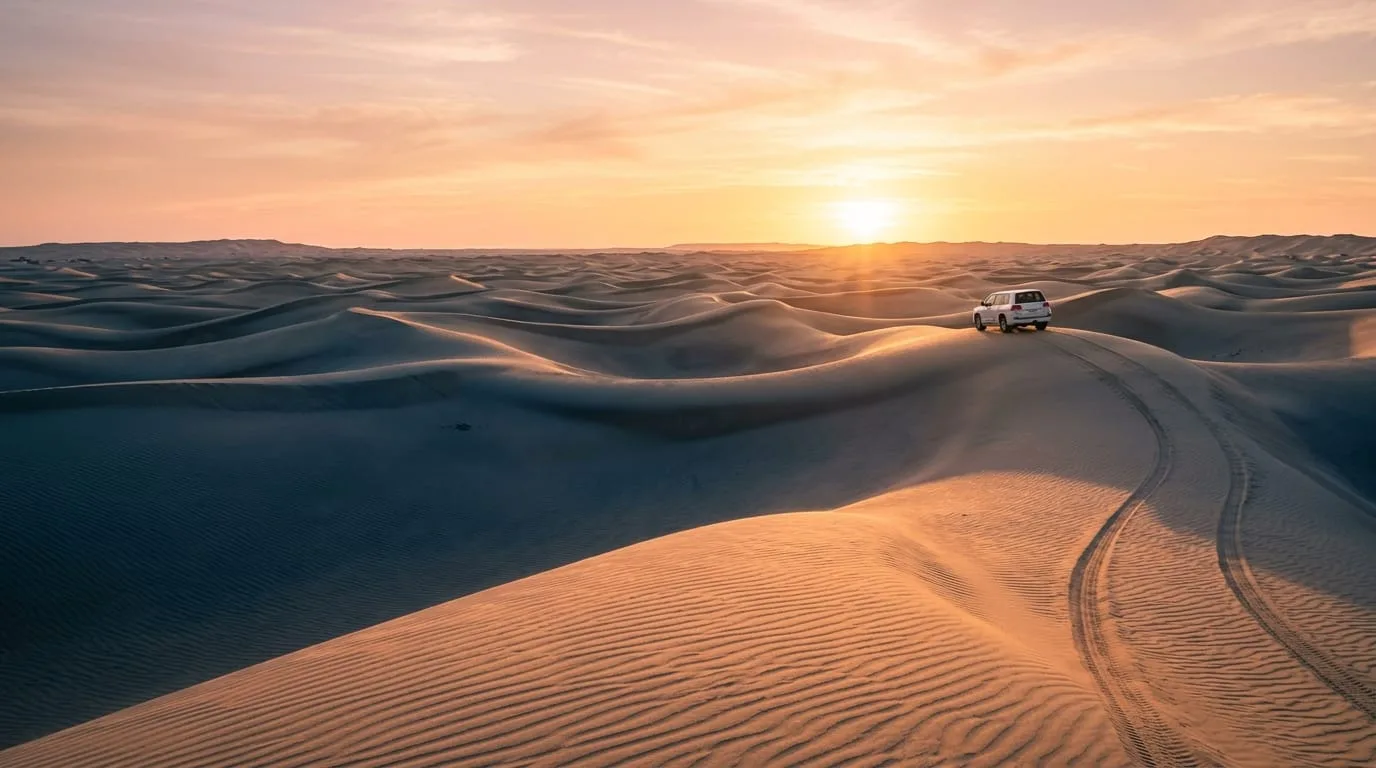
The truth most camping guides ignore: many people searching for camping in Abu Dhabi own neither a 4×4 nor a tent, yet every spot profile above quietly assumes both. If that is you — visitor, new resident, family unwilling to buy gear for one night — the licensed private camp route delivers the whole experience with zero kit.
Our overnight desert safari is exactly that product: the full evening programme — dune bashing, sandboarding, camel ride, sunset photo stop, falcon photo, henna, Arabic coffee and dates, unlimited soft drinks and tea, live shows and the BBQ buffet — followed by the night at our private Al Khatim camp and breakfast at sunrise. You arrive with an overnight bag; everything else is our job. Pricing and inclusions live on the overnight page, and our team answers on WhatsApp within minutes.
For context, the evening programme opening the night runs from AED 35 per person self-drive, AED 50 on the shared bus from Al Wahda or Mazyad Mall, AED 100 with hotel pickup; private vehicles are AED 599 (7-seater) or AED 800 (Land Cruiser), VIP majlis +50 per person. Real, published numbers — the transparency this market lacks, as our full price guide shows line by line.
Families: this route is dramatically easier with children than a DIY pitch — proper toilets, a buffet fussy eaters can graze, staff on hand all night. Our family safari guide covers ages and how we tone dune bashing down for young passengers.
What Does Camping in Abu Dhabi Actually Cost?
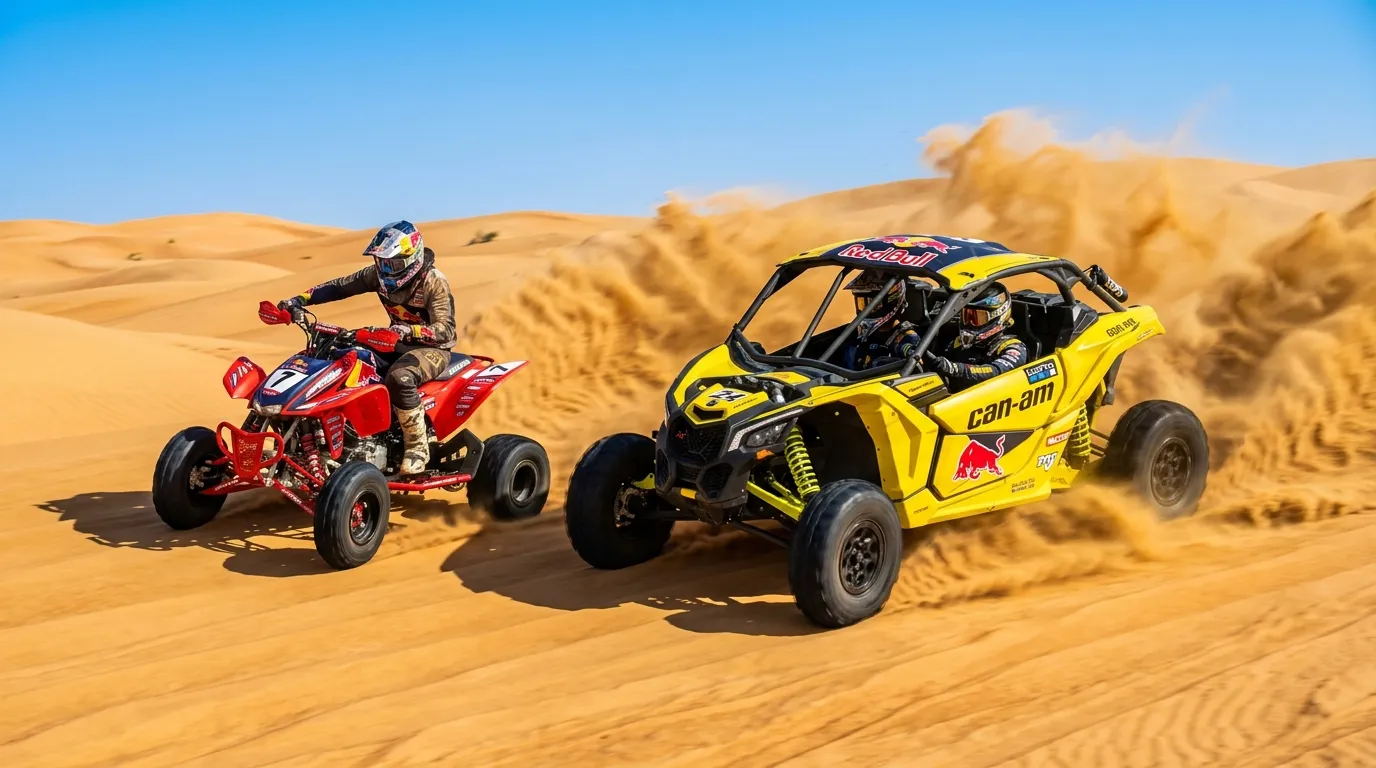
Anywhere from nothing to four figures a night. Open-desert DIY camping is free once you own the gear; Al Wathba Lake Camp is free with facilities; managed venues publish rates from around AED 100 for a Jebel Hafit pitch to AED 900+ for the park’s domes; glamping venues quote their own premiums. The honest cost architecture:
| Route | What you pay | What is included | Hidden costs to expect |
|---|---|---|---|
| DIY open desert (Al Khatim, Al Razeen, Al Khaznah, Liwa) | Free | The desert itself | Gear purchase, 4×4 running costs, fuel, food, recovery kit |
| Al Wathba Lake Camp | Free | Pitch, restrooms, BBQ areas, playgrounds, first aid | Your own tent, bedding, food |
| Jebel Hafit Desert Park | From ~AED 100 pitch; ~AED 500 serviced camp; ~AED 900 dome (park’s published rates) | Varies by tier; serviced tiers include breakfast | Drive to Al Ain, activity add-ons |
| Glamping / luxury camps | Premium venue-published rates | Beds, bathrooms, dining | Dining packages, activities billed separately |
| Our overnight safari at Al Khatim | See the overnight page for the package | Evening safari programme + night at our camp + breakfast | Optional extras only: quad from AED 100, VIP majlis +50, falcon photo 30 |
Budget honestly for the DIY column: assembling tent, winter bags, mats, cool box, lights and a basic recovery kit costs more than several serviced camp nights before the first grain of sand. That maths is why we tell one-night campers that booking beats buying — and why gear-owning regulars should ignore us entirely.
DIY Packing Checklist vs “Book Our Camp and Bring Nothing”
The left column is the kit list a safe DIY desert night demands; the right is the same line item at our camp. Screenshot the left side if you are going alone — it is the checklist we would hand a friend.
| Need | DIY: you bring | Our camp: covered |
|---|---|---|
| Shelter | Tent with sand pegs (standard pegs pull straight out of dunes) | Camp accommodation ready on arrival |
| Warmth | Sleeping bag rated ~5 °C for winter, ground mats, layered clothing | Bedding provided; bring a light layer for the fireside |
| Food & water | Cool box, contained grill, and generous water — ~15 L per person per day is a common warm-month planning figure | BBQ buffet, unlimited water, soft drinks and tea; breakfast at sunrise |
| Fire | Raised or contained fire pit, fuel, full burnout-and-removal routine | Camp fire pit, managed by our team |
| Vehicle | 4×4 with recovery kit: shovel, traction boards, tow rope, compressor, spare tyre, tools | Not needed — shared bus AED 50, hotel pickup AED 100, or self-drive to camp on graded access |
| Navigation & comms | Charged phone, offline maps, GPS pin shared with someone at home, power bank | Our drivers and camp team handle all of it |
| Light | Headlamps and spare batteries, one per person | Camp lighting; a phone torch covers your tent |
| Sanitation | Improvised, plus bags to carry all waste out | Proper restrooms at camp |
| First aid | Full kit and the knowledge to use it | Trained team on site all night |
| Entertainment | Your playlist and the stars | Live shows, camel ride, sandboarding, henna — plus the same stars |
Desert Driving and Camping Safety: The Rules Locals Follow
Abu Dhabi’s desert is welcoming but indifferent, and nearly every mishap traces to skipped precautions. The official advice: 4WD for dune country, pre-trip vehicle inspection, first-aid kit, spare tyre and tools, plenty of water, charged phone with navigation. Memorise three numbers: 999 police, 998 ambulance, 997 civil defence.
Never drive the dunes alone
The cardinal rule. A solo 4×4 bogged to the chassis at dusk, out of signal, is how uncomfortable stories start; a second vehicle turns the same moment into ten minutes of shovelling and an anecdote. Convoy with at least one other car and share your GPS pin with someone at home. Our desert safety guide expands every point, including how our own drivers run their circuits.
Tyres, and the art of not getting stuck
Sand driving begins at the valve cap: most off-roaders drop to around 15–20 PSI before leaving tarmac, widening the footprint to float over soft sand instead of trenching. Reinflate back on the road. Momentum, not speed, carries you up faces; crest every ridge slowly and square-on — you cannot see the far side. That blind-crest logic is also why you never pitch at a dune’s base.
Camp placement and night habits
Pitch on flat, elevated ground away from vehicle lines. Keep food sealed, never run heaters or flames inside a tent, keep shoes and water inside the zip. Carry every item of waste out — the AED 10,000–30,000 federal penalties for dumping and flora damage apply to campers as much as anyone, and desert litter outlives the litterer by decades.
Campfires and BBQs: What Is Allowed, What Is Wise
Open flame loose on the sand is the habit to break; contained fire is the accepted practice everywhere in the emirate. In the city’s parks the municipality maintains 253 designated BBQ spots — use those and the question answers itself. In open desert the standard is a raised or contained fire pit or portable grill: never unattended, fully extinguished, all residue carried out.
The reasoning is practical. Loose-sand fires throw embers in wind, scar the site, and leave half-buried coals hot for hours under an innocent surface — a real hazard for the next family’s barefoot children. A cheap steel pit solves all three; Al Wathba’s built BBQ areas remove even that. At our own camp the fire and BBQ line are our responsibility — buffet cooked, fire tended, nothing landing on the guest. On a windy January night that is the difference between hosting your group and working for it.
Stargazing While Camping: Where the Sky Is Darkest
The emirate hides some of the region’s best night skies — the trick is distance from the coastal glow. Al Qua’a, roughly 90 minutes out, is the benchmark: the UAE’s darkest widely known spot, Milky Way core visible on moonless winter nights. Liwa delivers comparable blackness with bigger dunes, and even Al Khatim — 80 km out — stuns guests who have only looked up from downtown.
Three rules improve any session: time it to the week around new moon, give your eyes twenty screen-free minutes to adapt, and go December–February for the cleanest air and longest nights. Our desert stargazing guide maps the sky by season, and the stargazing safari pairs the sky with the camp programme for guests who want both handled.
Desert Wildlife: What You Might Actually Meet
Less than campers fear, more than they expect. The desert’s residents are shy and mostly nocturnal: Arabian red foxes patrolling camp perimeters for scraps, gerbils and jerboas stitching tracks around tents by morning, dung beetles commuting, geckos hunting near any light. None want trouble; sealed food and a zipped tent settle the entire relationship.
The precautions are brief: shake out shoes in the morning, keep hands out of old burrows, and never feed anything — a fed fox becomes a persistent fox for every camper after you. Our desert animals guide profiles the full cast, camels to dawn birdlife.
Which Camping Style Fits You? An Honest Sorting
After a decade-plus of driving guests into these dunes, we can usually predict within a minute which route will make someone happiest.
Al Wathba Lake Camp if it is your first night outdoors, you have young children, or facilities outrank scenery. DIY Al Khatim or Al Khaznah if you own the 4×4 and kit and want real dunes inside an hour. Liwa when you have a full weekend, a convoy and dune-driving experience to match the terrain. Jebel Hafit or Green Mubazzarah for mountains, archaeology and cooler air. The coast — Mirfa or Al Dhafra — when sea breeze beats sand seas. And a licensed private camp — ours, at Al Khatim — when you want the desert night without owning a single peg, or when visitors want the full experience tomorrow night.
Why Trust This Guide — and Us
We are Royal Arabian Safari Tourism LLC, a DCT Abu Dhabi–licensed operator with our own private camp in the Al Khatim dunes and an office at Al Sila Tower, Al Maryah Island. Across more than a decade we have hosted 5,000+ guests at a 4.9-star Google rating. Every booking is payment on arrival, no deposit, free cancellation up to 12 hours before.
Camp in the Al Khatim Dunes Tonight — We Bring Everything
Evening safari from AED 35 self-drive, AED 50 shared bus, AED 100 hotel pickup · private Land Cruiser AED 800 · stay the night on the overnight programme with dinner, shows and sunrise breakfast. Pay on arrival, free cancellation up to 12 hours before.
Camping in Abu Dhabi: Frequently Asked Questions
Is camping legal in Abu Dhabi?
Yes — casual camping in open, non-protected desert is established, tolerated practice needing no paperwork. The exceptions: organised events need a municipal permit, with reported enforcement from about AED 500 to AED 20,000 for unpermitted gatherings, and protected reserves are off-limits — one reported reserve-entry case drew a fine up to AED 165,000.
Do I need a permit to camp in the desert?
Not for a private trip in open, non-protected desert — families camp freely every winter weekend. Permits apply to organised events: corporate camps, ticketed gatherings and large club meets should be cleared with the relevant municipality first. A licensed private camp such as ours carries its own permissions.
Where can I camp for free in Abu Dhabi?
Al Wathba Lake Camp is the standout — a free government campsite with 13 pitches, restrooms, first aid, playgrounds and 24 BBQ areas, about 45 minutes from town. Beyond it, all open non-protected desert is free — Al Khatim, Al Khaznah, Al Razeen, Liwa, the Mirfa and Al Dhafra beaches — but free means no facilities.
Is Al Wathba Lake Camp really free?
Yes — government-built, no usage charge. You get 13 campsites holding roughly 120 campers, 24 BBQ and picnic areas, a 1,400 m walking path, a 1,200 m pump track, volleyball courts, playgrounds, parking, restrooms and first aid. Bring your own tent, bedding and food; weekend capacity fills fast in the cool months.
Can I camp at the Al Wathba Fossil Dunes?
No. The fossil dunes sit within protected territory under Environment Agency – Abu Dhabi management and the area is not open for camping — reserve boundaries there carry serious reported penalties for unauthorised entry. Photograph them on a day visit, and camp in open desert or at a licensed camp instead.
Can I camp at Jebel Hafit?
Yes, at Jebel Hafit Desert Park outside Al Ain, roughly 90 minutes from Abu Dhabi. The park publishes tiered rates: own-tent pitches from around AED 100, serviced Bedouin-style camps from about AED 500 with breakfast, luxury domes from around AED 900. Book ahead — it is a managed venue with allocated pitches.
When is the camping season in Abu Dhabi?
Late October to April. November and March give the friendliest balance of warm days and mild nights; December to February bring the coldest, clearest nights and heaviest weekend demand. We do not recommend visitor camping in summer — daytime heat turns it into a specialist exercise rather than a pleasure.
How cold does the desert get at night?
Colder than most first-timers pack for. City mean lows run 13.8 °C in January and under 20 °C November to March, and the open desert drops noticeably below the city after dark. From December to February bring proper layers, and a sleeping bag rated around 5 °C for DIY nights.
Is desert camping in Abu Dhabi safe?
Yes, when the standard rules are respected: never drive dunes alone, deflate tyres to around 15–20 PSI, carry generous water, pitch away from dune bases where vehicles crest blind, and save 999, 998 and 997 (police, ambulance, civil defence). The desert punishes improvisation, not campers — a licensed camp removes most of the risk list.
Are there dangerous animals in the desert?
Rarely anything of concern. Expect foxes, gerbils, geckos and beetles — shy, nocturnal, uninterested in people. Seal food, zip the tent, shake out shoes in the morning and leave burrows alone; that covers essentially everything. Across thousands of guest nights at our camp, wildlife has been a delight at the firelight’s edge, never a problem.
What should I bring for DIY desert camping?
Tent with sand pegs, sleeping bags rated near 5 °C for winter, ground mats, headlamps, cool box, contained fire pit, first-aid kit and power bank; for the vehicle, a 4×4 with shovel, traction boards, tow rope, compressor and spare tyre. Water dominates — around 15 L per person per day is the common planning figure. Share a GPS pin with someone at home.
Can I go camping without a 4×4?
Yes, three ways. Al Wathba Lake Camp and managed venues like Jebel Hafit are reachable in an ordinary car, coastal Mirfa keeps you near tarmac, and for true dune camping you can book a camp with transport — our shared bus is AED 50 per person, hotel pickup AED 100, our drivers handling every metre of sand.
Can I camp with no gear at all?
Yes — that is exactly what our overnight desert safari exists for. You arrive with an overnight bag; we provide the evening programme, BBQ dinner, live shows, the night at our private Al Khatim camp and breakfast at sunrise. No tent, no bedding, no 4×4. Details are on the overnight page or one WhatsApp message away.
Can I BBQ or light a campfire in the desert?
Yes, contained. Use a raised fire pit or portable grill, never loose flame on the sand, never leave it unattended, and carry out ash and residue — buried coals stay dangerously hot for hours. In city parks, use the 253 designated BBQ spots. Federal penalties of AED 10,000–30,000 for environmental damage give the etiquette legal teeth.
Is night camping suitable for kids?
Very — with the right format. Children thrive at Al Wathba’s playground-equipped campsite and at serviced camps where toilets, food and warmth are guaranteed; our camp hosts families constantly, with camel rides, sandboarding and shows carrying the evening. For DIY dune camping, wait until children can reliably follow fire and vehicle rules.
Are there toilets in the desert?
Only where humans built them. Al Wathba Lake Camp has restrooms, managed parks and licensed camps — including ours — have proper facilities, and the open desert has none whatsoever. That single fact decides the trip for many families, and it is a fair reason to choose a serviced option over a beautiful but bare dune.
Can tourists camp in Abu Dhabi?
Absolutely — the same rules apply to visitors and residents. The practical barrier is equipment and a dune-capable vehicle, which is why most visitors choose a licensed camp: transport, gear, food and permissions arrive bundled. Our guests land at their hotel, send one WhatsApp message, and sleep in the Al Khatim dunes the next night.
What does an overnight desert safari include?
Ours bundles the complete evening safari — dune bashing, sandboarding, camel ride, sunset photo stop, falcon photo, henna, Arabic coffee and dates, unlimited soft drinks and tea, live shows, veg and non-veg BBQ buffet — with the night at our private camp and breakfast after sunrise. Optional extras include quads from AED 100 and VIP majlis +50 per person.
The Desert Is an Hour Away — Go Sleep in It
Camping in Abu Dhabi is a spectrum: a free serviced pitch at Al Wathba, a self-sufficient night behind an Al Khatim ridge, the giant silence of Liwa, or a served dinner under camp lanterns with breakfast at dawn. The legality is manageable, the season generous — the only real mistake is letting the gear question keep you in the city.
If your date should involve zero packing, start with our overnight desert safari at the Al Khatim camp, or sample the desert on the evening safari from AED 35 and stay longer next time. WhatsApp +971 58 228 2683 — a real person from our camp team replies, and the dunes are 50–60 minutes from wherever you are reading this.
Continue Planning Your Trip
Explore More Desert Safari Guides
- Fossil Dunes Abu Dhabi — Al Wathba Visitor Guide & Closure Update
- Night Desert Safari Abu Dhabi — Stars, Fire Shows & BBQ
- Liwa Overnight Desert Safari — A Night in the Empty Quarter
- UAE Desert Guide — Dunes, Wildlife & Where to Go
- Abu Dhabi Sand Dunes — Where to Find Them & How Tall They Get
- Morning Desert Safari Abu Dhabi Price — Full Cost Breakdown
- Car with Driver in Abu Dhabi — From AED 599
- Abu Dhabi Tour Packages — From AED 599 per Car
- Desert Safari From Fujairah
- Desert Safari From Umm Al Quwain
- Desert Safari From Ras Al Khaimah
- Desert Safari From Ajman
- Desert Safari From Sharjah
- How To Get To Desert Safari Abu Dhabi
- Belly Dance Abu Dhabi
Book this tour
No deposit and no card details. Message us and we confirm the plan and the exact price before you commit — answered at any hour.
- Send your date and guest countYour date, how many of you, and where we collect from. That is all we need.
- We send the plan and the pricePer car, not per person. You see the route, the timings and the exact figure first.
- Pay the driver on the dayCash or card, after the run. Free cancellation up to 12 hours before pickup.
Answered 24 hours · No deposit · No booking fee · Licensed operator
If we have to cancel, what happens?
A cancellation policy that covers your obligations but not ours is only half a document. Here is our side of it, in writing.
If we have to cancel your booking — for weather, a vehicle issue, or driver illness — we will contact you as soon as we know and rebook you at no charge on the next date that works for you. You pay nothing for the cancelled booking.
If we need to send a different vehicle than the one you booked, we will ask you first rather than turning up in something you did not book.
This is separate from your own cancellation rights, which are unchanged: you can cancel free up to 12 hours before pickup. Because we take no deposit and no booking fee, there is no money of yours sitting with us either way — nothing to chase, and nothing to wait for.