Desert Safari Abu Dhabi in July: The Honest High-Summer Guide
Official climate normals call July the muggiest, cloudiest month on the Abu Dhabi coast — yet 80 km inland, the air over our private Al Khatim camp runs measurably drier. Add the latest sunsets of the entire year, and a July evening in the dunes works far better than most visitors expect.
The Short Answer
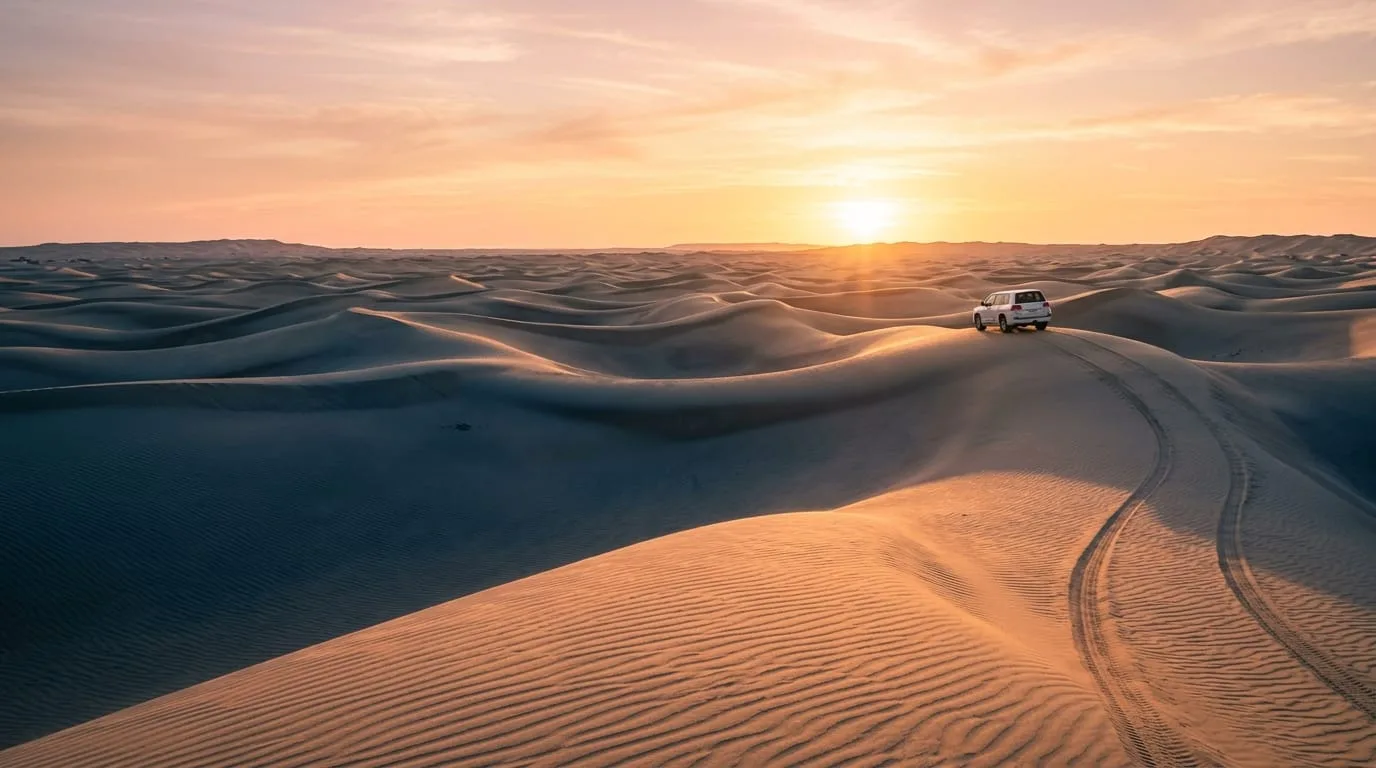
A desert safari in Abu Dhabi in July works well — provided you go in the evening and plan hydration. The average high is 42.5°C, but pickup at 3:00–3:30 PM spends the fiercest heat behind air-conditioned glass, and the dune sequence tracks the year’s latest sunsets: 7:15 PM in early July, 7:07 PM by month’s end. The twist most guides miss: July is the coast’s muggiest month, yet the inland desert around our camp typically sits at 30–55% humidity while the corniche spikes past 80% — the evening feels less sticky out here than at a seafront table. Evening seats start at AED 35 self-drive, AED 50 by shared bus or AED 100 with hotel pickup; the private morning premium safari is AED 799 per car.
| July at a glance | The facts |
|---|---|
| Verdict | Good for evening safaris with sensible hydration; no midday sand time |
| Average high / low | 42.5°C / 29.7°C (official climate normals) |
| Sunset | 7:15 PM early July → 7:07 PM late July — the year’s latest |
| Rain | ~0 mm — effectively none |
| Humidity | ~55% city daily average; coastal peaks 80%+; inland ~30–55% |
| Best slot | Evening; private dawn morning for heat-sensitive guests |
| Evening price from | AED 35 self-drive · AED 50 shared bus · AED 100 hotel pickup |
Is July a Good Month for a Desert Safari in Abu Dhabi?
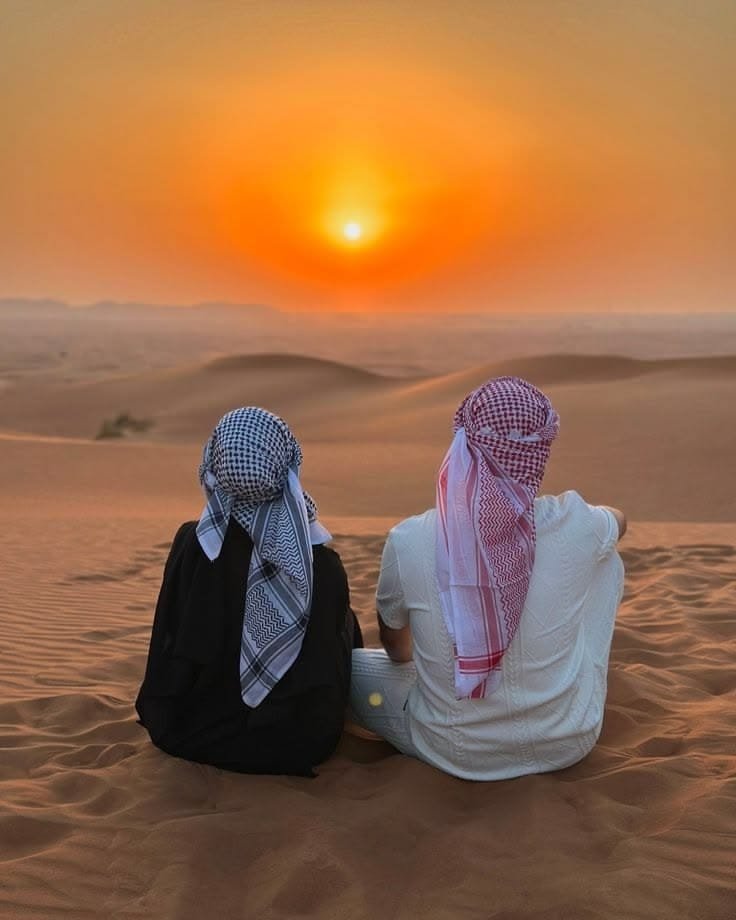
July is a conditional yes: a solid month for evening safaris, a poor one for midday desert plans. Booked as an evening — pickup 3:00–3:30 PM, sunset near 7:15 PM, dinner after dark — it delivers the complete experience in the most comfortable slice of the day, with quiet camps and easy availability as a genuine bonus.
Graded honestly from a decade of summer seasons: comfort sits around 6 out of 10, value and elbow room at 9. The dunes, shows, BBQ and falcon are identical to peak winter — what changes is where you spend the hot hours, and our July programme keeps every pre-sunset minute either air-conditioned or brief. It suits summer stopover travellers, acclimatised GCC residents and school-holiday families; if your dates float across the year, weigh it against the full calendar in our best time for a desert safari guide.
July Weather in the Abu Dhabi Desert: The Numbers
Official climate normals put July at a 42.5°C average high and 29.7°C average low, with rainfall that rounds to zero and sunsets sliding from 7:15 PM to 7:07 PM across the month. Daylight stays long — only a shade under June’s ~13h35m maximum — which is exactly why the late-evening programme works so well.
| Measure | July normal | On safari, this means |
|---|---|---|
| Average daytime high | 42.5°C | Peaks mid-afternoon — spent inside the air-conditioned transfer |
| Average overnight low | 29.7°C | Warm nights; nobody needs a jacket at camp |
| Sunset | 7:15 PM → 7:07 PM | The year’s latest golden hours; dinner after dark |
| Rainfall | ~0 mm | No washout risk worth planning around |
| City humidity, daily average | ~55% (NOAA normals) | Lower on paper than midwinter — the misery is in coastal peaks |
| Inland desert humidity | ~30–55% typical | Sweat evaporates; heat reads dry, not sticky |
| Daylight | Just under June’s ~13h35m peak | Long, unhurried evenings at camp |
Read the humidity line twice — it is the most misunderstood July fact. The city’s daily average is about 55%, numerically lower than January’s 68% or December’s 69%. What makes July feel brutal on the corniche is the spikes: coastal moisture surging past 80% around the water at dawn and dusk. The averages hide the spikes, and the spikes live on the coast.
Why Is the Desert Drier Than the Corniche in July?
Because July’s mugginess is manufactured by the sea — and the safari drives away from the sea. The Gulf runs bath-warm by high summer, already past 31°C in late June on official normals, loading the shoreline air with moisture. Drive 80 km inland to Al Khatim and there is simply less moisture left in the air above the sand.
Abu Dhabi city sits on an island: hotel districts, corniche and marina all marinate in the maritime air that official normals rank the muggiest and cloudiest of the year in July. Our camp sits deep in the Al Khatim desert off the E22 towards Al Ain, beyond the worst of it — typical inland readings run around 30–55% against coastal peaks above 80%.
Three practical consequences. Your body’s cooling works again inland — sweat evaporates instead of sitting on your skin. Precisely because it evaporates, dehydration sneaks up, so we schedule water like an activity. And the haze that cloud statistics describe concentrates where the moisture lives, along the shoreline — dune sunsets keep their colour more often than the city skyline does.
What Does a July Evening Safari Feel Like, Hour by Hour?
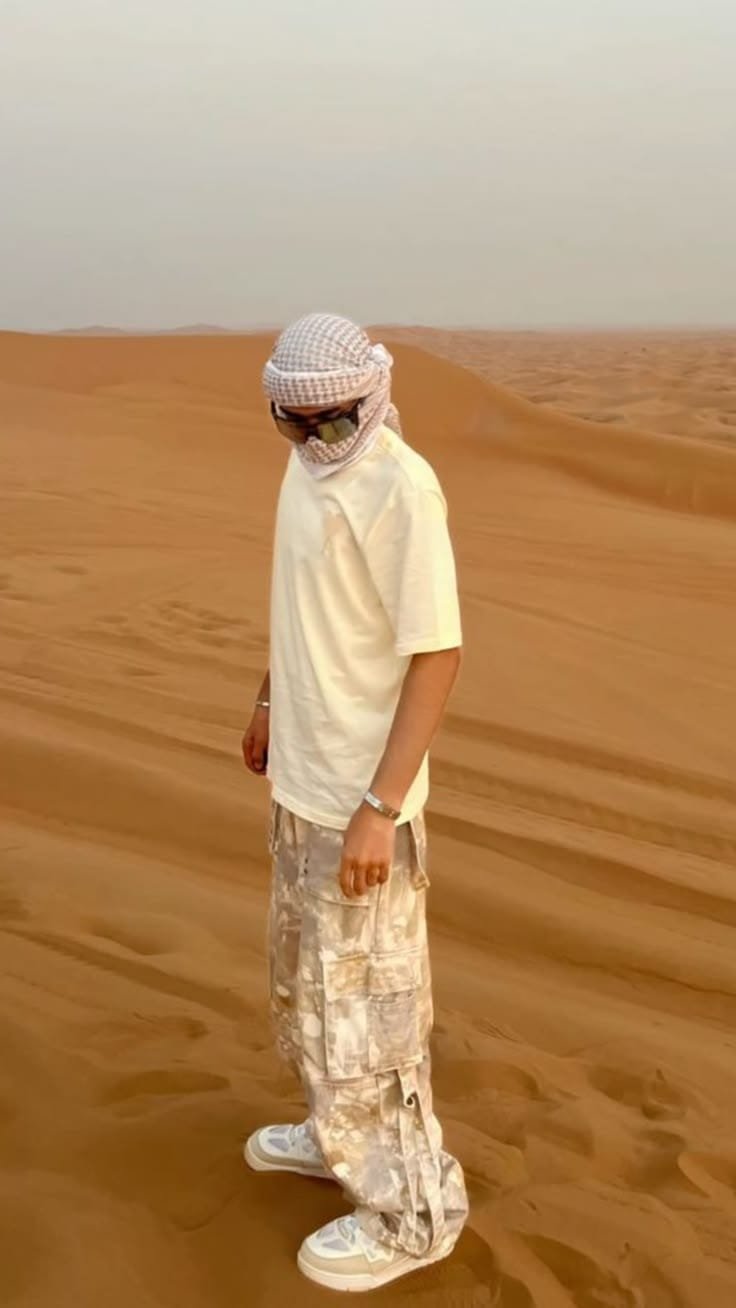
Like a slow escape from the heat rather than a battle with it. You leave the city inside its hottest hour without touching it, reach drier inland air by late afternoon, do the physical activities as the sun drops, and eat dinner on sand that has already shed most of its stored heat.
| Time | What happens | How July shapes it |
|---|---|---|
| 3:00–3:30 PM | Hotel or meeting-point pickup | The 42.5°C peak passes behind air-conditioned glass on the E22 |
| ~4:15–4:30 PM | Desert edge; tyre pressures dropped | Water handed out before anyone touches a dune |
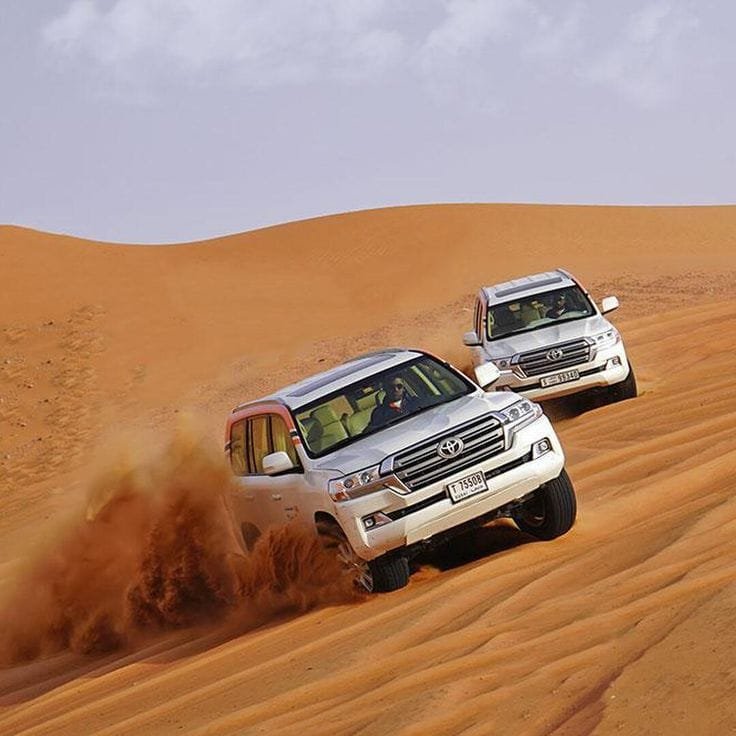
| Pre-sunset window | Dune bashing, sandboarding, photo stops | The sequence leans late, ending as the light turns gold |
| 7:07–7:15 PM | Sunset stop on the high dunes | The year’s latest sunsets — early July runs longest of all |
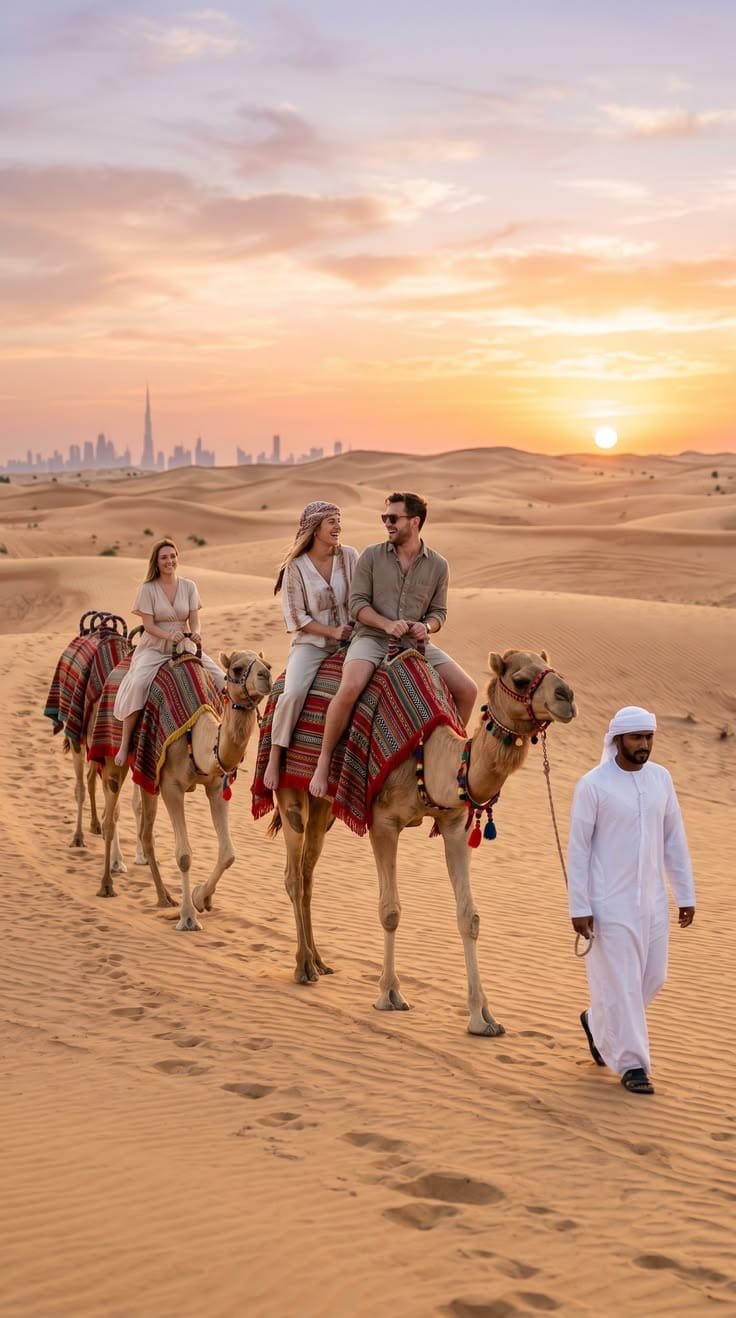
| After sunset | Camel ride, falcon photo, henna, coffee and dates | Sand sheds heat fast; the camp becomes the comfortable place |
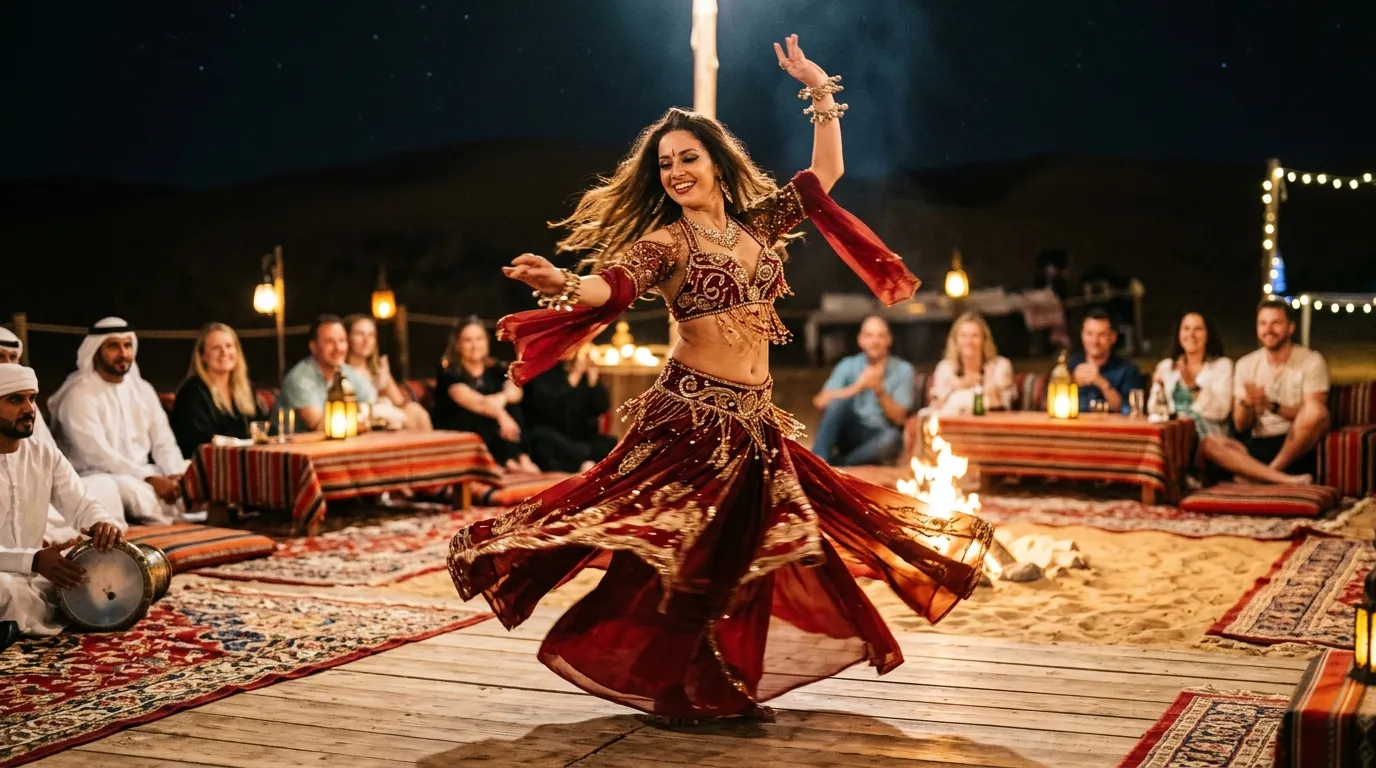
| Evening | Belly dance, Tanoura, fire show, BBQ buffet | Dinner lands fully after dark, under open sky |
| ~10:00–10:30 PM | Drop-off in Abu Dhabi | You return to a city still radiating stored coastal heat |
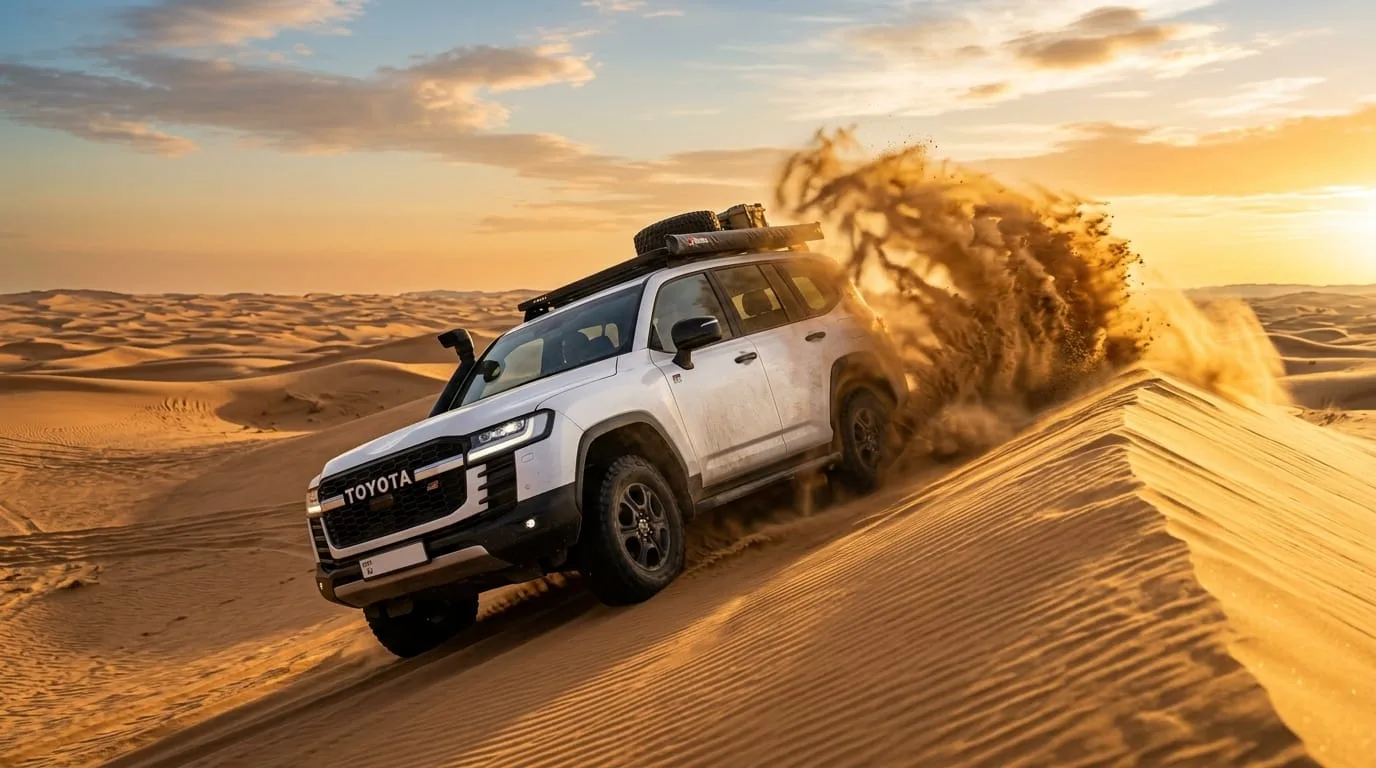
The late-pickup logic is deliberate. First-timers sometimes ask to start earlier “for more desert time” — in July that’s backwards. Starting at 3:00–3:30 PM lets the transfer absorb the ugliest heat, and with sunset at its latest there is no rush: the dune bashing run gets its full time, positioned where July is kindest.
The second half surprises people most. Within an hour of sunset the surface sand is comfortable to sit on, the air is falling from the afternoon peak towards the 29.7°C overnight low, and the dry inland evening makes the camp feel closer to a warm spring night than to the July you left behind. Full programme details sit on our evening desert safari page.
Morning or Evening Safari in July?
Evening, for most people: it carries the full camp experience in the day’s most forgiving hours. The private morning premium safari — AED 799 per car — is the specialist’s choice: a dawn start puts you on the dunes near the 29.7°C overnight low, in the coolest air the month can offer.
| Morning private premium | Evening safari | |
|---|---|---|
| Price | AED 799 per car, private | From AED 35 self-drive · AED 50 bus · AED 100 hotel pickup |
| Temperature window | The day’s coolest hours, from near the 29.7°C low | Heat fades through the drive; sand time tracks the 7:07–7:15 PM sunset |
| What you get | Private dawn dune drive, sandboarding, photo stops | Full programme: dune bashing, camel ride, falcon, henna, shows, BBQ |
| Best for | Heat-sensitive guests, photographers, cruise and stopover schedules | Everyone wanting the classic desert night |
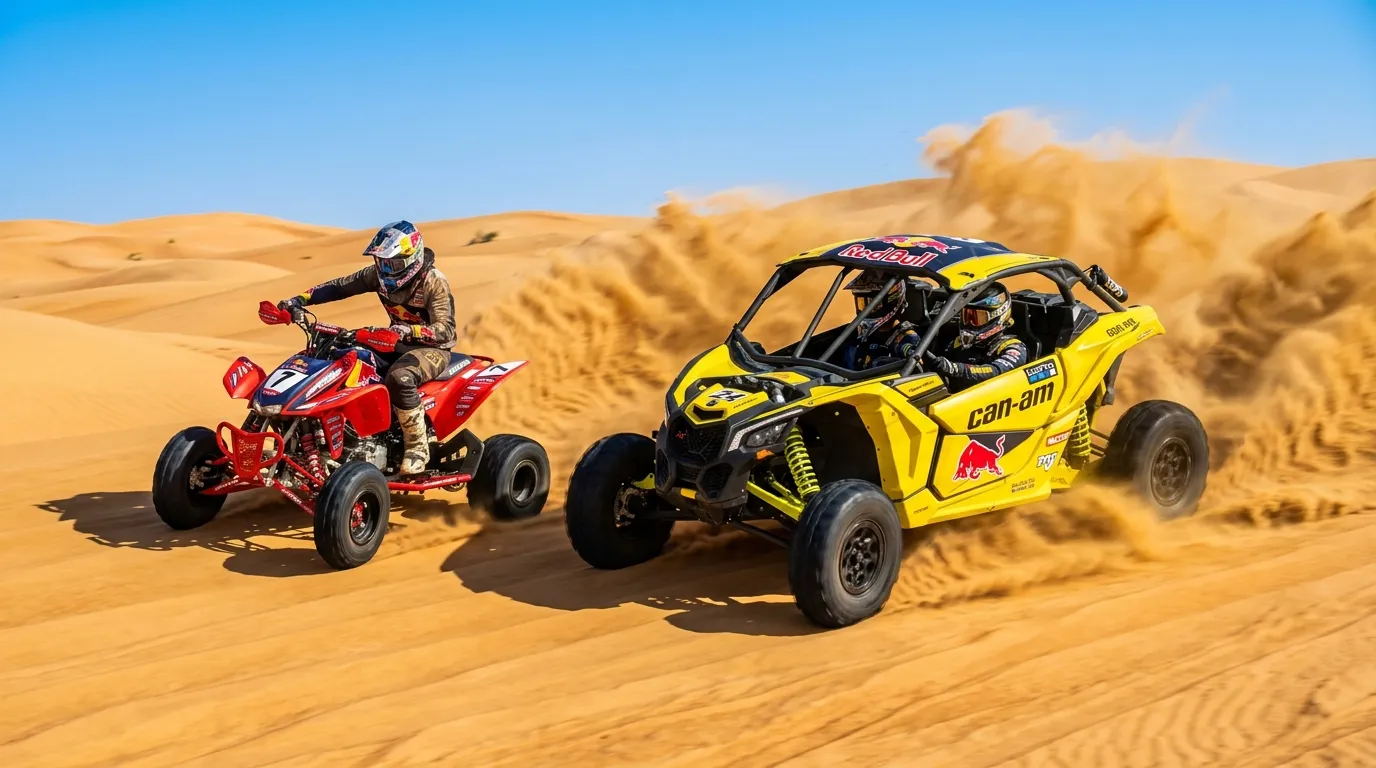
| July add-ons | Long-route morning quad +AED 200 single / +AED 300 double | Quad AED 100/150 · Can-Am buggy from AED 800 (30 min) · VIP majlis +AED 50 |
One rule matters more in July than any other month: mornings are private-premium only, at AED 799 per car. There is no AED 35 morning ticket — that figure is the evening self-drive rate, whatever other sites imply. Dawn timings and inclusions are on the morning desert safari page; our steer is evening unless you’re specifically heat-cautious or chasing morning light.
What Does a Desert Safari Cost in July?
Exactly what it costs the rest of the year — our published rates don’t swing with the seasons. Evening safaris start at AED 35 per person self-drive, AED 50 with the shared bus from Al Wahda or Mazyad Mall, and AED 100 with shared hotel pickup in a 4×4; private vehicles and add-ons are listed below.
| Option | Price (AED) |
|---|---|
| Evening safari — self-drive to our camp | 35 per person |
| Evening safari — shared bus (Al Wahda / Mazyad Mall) | 50 per person |
| Evening safari — shared 4×4 hotel pickup | 100 per person |
| Evening safari — private 7-seater car | 599 per car |
| Evening safari — private Land Cruiser | 800 per car |
| Morning safari — private premium | 700 per car |
| VIP majlis upgrade | +50 per person |
| Quad bike ride | 100 single · 150 double |
| Morning long-route quad | +200 single · +300 double |
| Can-Am buggy (30 minutes) | from 600 |
| Falcon photo | 30 |
| Professional photography | from 50 |
| Extra dune bashing round | 150 per vehicle |
| Long camel ride | 300 for two |
Every evening ticket already includes dune bashing, sandboarding, the short camel ride, sunset photo stop, falcon photo opportunity, henna, Arabic coffee and dates, unlimited water, soft drinks and tea, the live shows and the veg and non-veg BBQ buffet. You pay on arrival — cash or card, no deposit, no booking fee — with free cancellation up to 12 hours before pickup; the tier-by-tier breakdown is on our prices page. For engines, the quad circuit and the 30-minute Can-Am buggy both fit neatly into the pre-sunset window.
July Evenings From AED 35 — Book in One Message
Tell us your date and pickup point; we confirm on WhatsApp in minutes. Pay on arrival, no deposit, free cancellation up to 12 hours before.
What Should You Wear for a July Desert Safari?
The lightest, loosest, most breathable clothing you own — light colours, natural fabrics, nothing tight. July is the one month with a genuinely short packing list: the 29.7°C average overnight low means the jacket January guests need has no place in your bag, and sun cover matters more than layers.
| Item | Why it earns its place in July |
|---|---|
| Loose cotton or linen, light colours | Dry inland air evaporates sweat — breathable fabric lets that cooling work |
| Light long sleeves or a thin scarf | Sun cover for the pre-sunset dune window |
| Sunglasses and a cap | Glare off pale sand is fierce until the sun is low |
| Closed light shoes or sport sandals | Surface sand holds real heat until sunset; barefoot comes later, at camp |
| Sunscreen, applied before pickup | Sandboarding and photo stops happen in direct low sun |
| Leave at home: jacket, jumper | The night stays warm; you won’t reach for a layer |
Two details from a decade of summer evenings: skip dark synthetic gymwear, which traps heat and shows every grain of sand at dinner, and wear closed shoes with long trousers if you’re booking the quad or buggy. The month-by-month version lives in our what to wear guide.
Hydration in July: The Rule Our Drivers Live By
Drink before you feel thirsty, because in dry inland air thirst arrives late. At 30–55% humidity sweat evaporates the instant it forms, so the usual “I’m drenched, I should drink” signal never comes — you can lose a lot of water in July while feeling deceptively fresh.
Our system is simple. Start hydrating at lunchtime, before the 3:00–3:30 PM pickup, not in the car. Water is handed out at the desert edge, and at camp the supply is unlimited — water, soft drinks and tea are included in every ticket. Guests who follow the lunchtime rule sail through; guests who arrive already dry feel the first dune run more than they should. For children the same rule scales down — water through the afternoon, free refills at the camp fridge — and our family safari guide covers pacing for young kids.
Planning a July Safari: Booking Pressure, Holidays and Ramadan Weeks
July is the easiest month of the year to book. No festival calendar competes for the desert, camps run quieter than the winter peak, and short-notice requests — even same-week private Land Cruisers — are far simpler to accommodate than in the cooler months.
That quiet is a real luxury: no queue at the camel line, sandboards always free, space to stretch out in the majlis, and shows that play to an audience the size of a private gathering. It’s also when the VIP majlis upgrade at +AED 50 per person feels most generous — prime cushioned seating with nobody pressing for it.
Because the Islamic calendar moves about ten to eleven days earlier each year, Ramadan weeks sometimes overlap summer travel dates. If they touch yours: safaris keep operating, dinner aligns naturally with the after-sunset slot, and while music and dance performances may be limited on some days, the Tanoura and fire shows generally continue — we confirm your date’s exact programme on WhatsApp. Mechanics stay friction-free either way: message us, get a confirmed pickup time, pay on arrival. Step-by-step details are on the booking page.
July vs June vs August: Which High-Summer Month Wins?
July sits in the middle of the summer trio in every sense: hotter than June, gentler than August, with the year’s latest sunsets as its signature. If your dates float across all three, June edges it for slightly lower heat — but July beats both neighbours for long, slow evenings on the sand.
| Measure | June | July | August |
|---|---|---|---|
| Average high / low | 41.4°C / 26.9°C | 42.5°C / 29.7°C | 43.4°C / 30.2°C |
| Sunset range | 7:07 → 7:15 PM | 7:15 → 7:07 PM | 7:06 → 6:42 PM |
| Rain | 0 mm | ~0 mm | ~0 mm |
| Feel | Longest days (~13h35m), dry heat | Muggiest coast, drier inland; latest sunsets | Hottest month; sea warmest at 33.8°C |
The margins matter. Early July inherits June’s late light — the sunset stop happens at its latest of the entire year — while by late August the evening has shortened by nearly half an hour. All three share the shamal reality: occasional dusty, windy spells are most likely June to mid-August, and we watch conditions daily. Go deeper with our guides to a desert safari in June and a desert safari in August, or the whole hot-season playbook in the summer desert safari guide.
Who Should Book July — and Who Should Wait?
An honest sort, from more than a decade of July evenings at our camp.
July is a good call if you are…
A stopover or transit traveller whose only Abu Dhabi window is now. A GCC resident already acclimatised, hosting visitors or escaping routine. A family filling the school holidays with something bigger than a mall. Anyone who values quiet camps, effortless availability and a near-private feel at shared-ticket prices — or a dawn person happy to pay AED 799 per car for the month’s coolest air.
Pick another month if you are…
Genuinely heat-sensitive, or travelling with someone who is — October to March will treat you far better. Chasing crisp horizons and maximum star fields: summer haze and the June-to-mid-August shamal window can soften both, and the clear-sky stargazing season runs broadly October to March. Or hoping for campfire-jacket weather — that is a winter feeling; July’s version is warm, dry and after-dark.
Neither list is a sales pitch: we’d rather move your booking to the month that fits, and free 24-hour cancellation means committing costs nothing.
Photography in July: The Year’s Latest Golden Hour, Honestly Hazier
July hands photographers the latest golden hour of the entire year — sunset at 7:15 PM early in the month — and takes back some sharpness in exchange. Coastal haze and occasional shamal dust can soften horizons, so July frames lean warm, diffused and pastel rather than winter’s knife-edge clarity.
Work with that, not against it. Hazy evenings produce huge, soft suns that sit fat on the dune line — a look many guests prefer. Shoot backlit ridgelines in the final half hour, use people as silhouettes on the crests, and stay for the blue half-hour after sunset when the camp lights rise against a violet sky. The falcon photo (AED 10–30) is best in that late gold, and our professional photography option (from AED 50) exists because phone sensors struggle with high-contrast dune light.
On stars: operator consensus puts the prime clear-sky window at October to March, and summer haze or dust does reduce star visibility on some July evenings. On clear nights the after-dinner darkness at camp — 80 km from city glow — still shows far more sky than any hotel rooftop; serious astro trips belong in the season covered by our desert stargazing guide.
Why Guests Trust Us With Their July Evenings
Royal Arabian Safari Tourism LLC is a DCT Abu Dhabi licensed tour operator with its own private camp in the Al Khatim desert and an office at Al Sila Tower, Al Maryah Island. For more than a decade we’ve hosted over 5,000 guests through every season — including the hottest — and hold a 4.9-star Google rating. You pay on arrival, cash or card, no deposit, with free cancellation up to 12 hours before pickup.
Inside Our Al Khatim Camp in High Summer
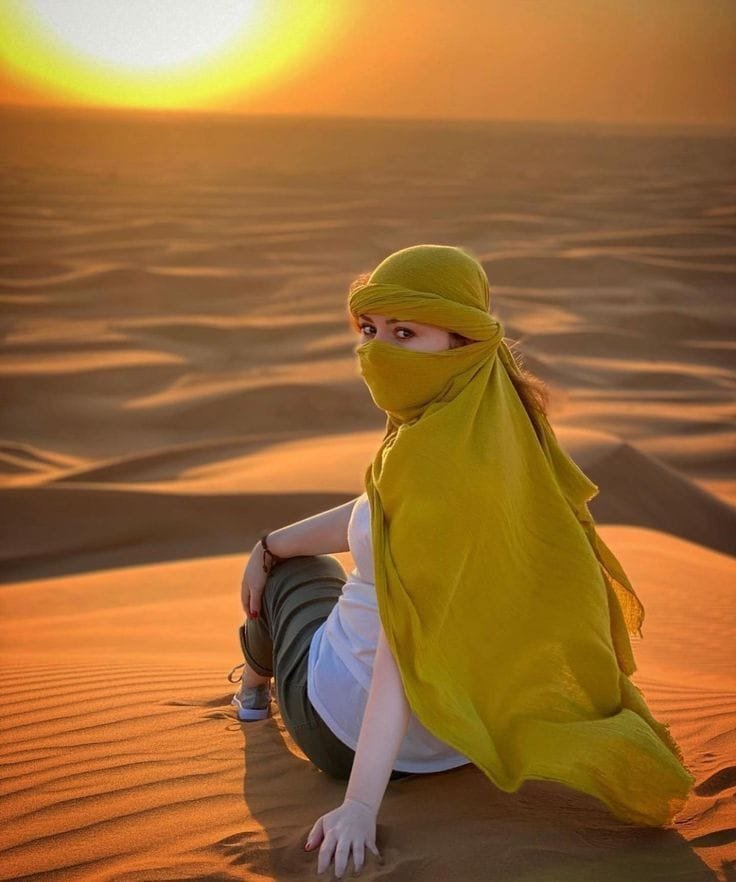
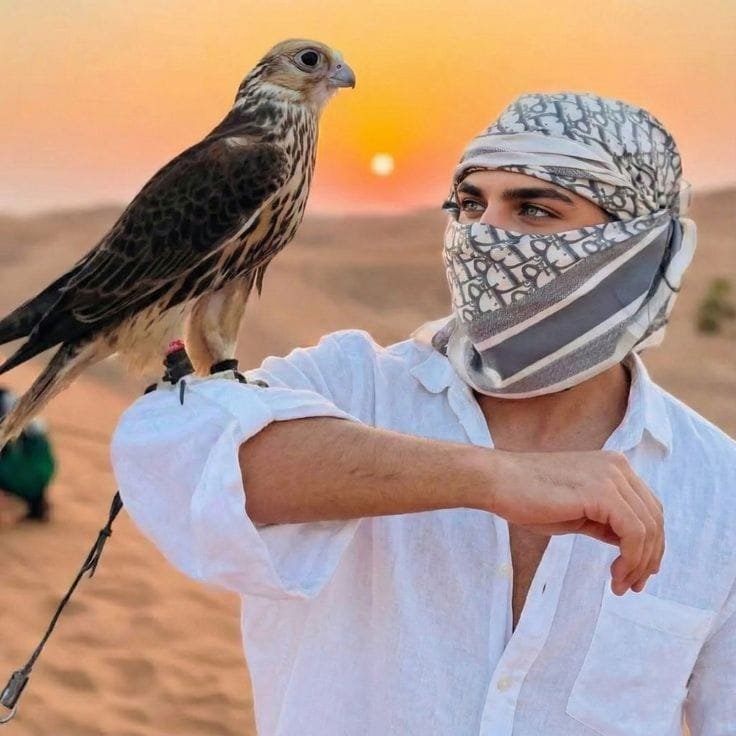
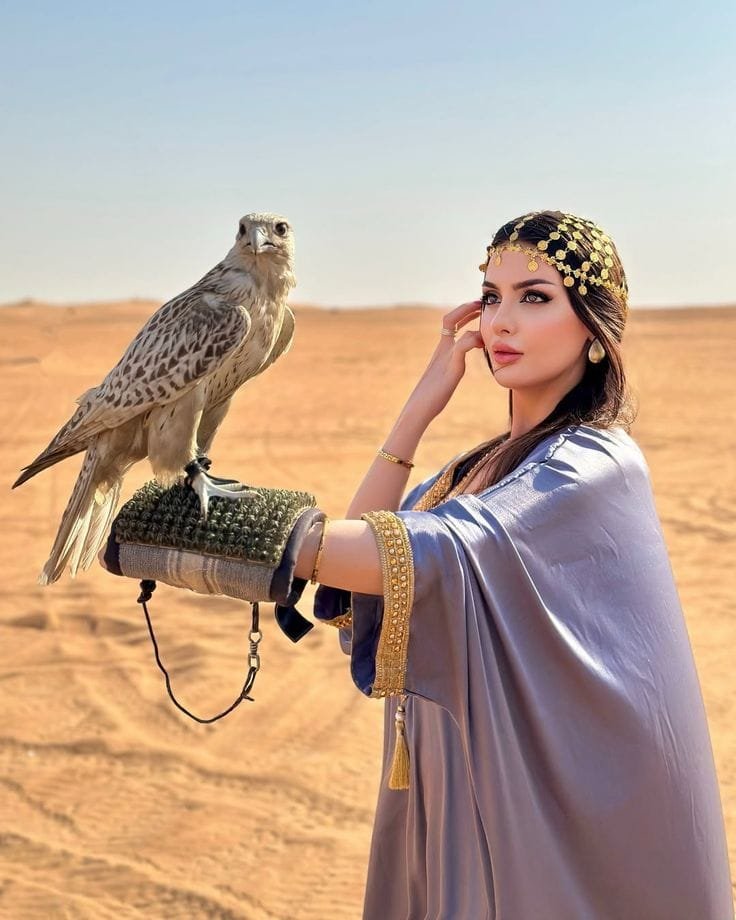
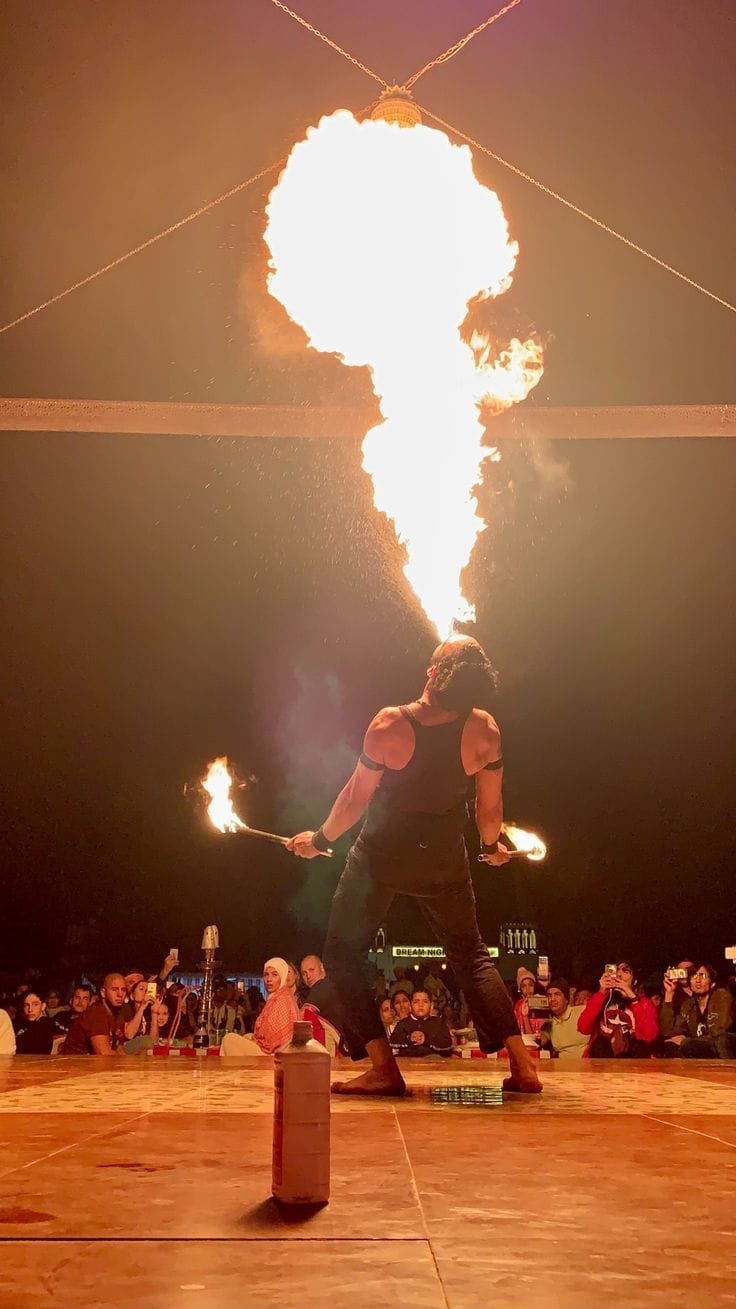
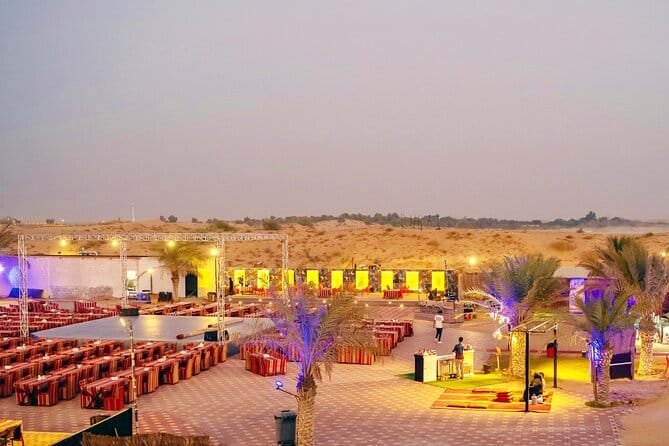
The camp is the quiet star of a July evening: shaded majlis seating, a fridge that never runs dry, show grounds under open sky and dunes rising over 100 metres beyond the lights. All frames below are our own camp and the sands around it.
Ready for a July Evening in the Dunes?
Evening safaris from AED 35 self-drive, AED 50 by bus, AED 100 with hotel pickup — private Land Cruisers AED 800, private mornings AED 799. One WhatsApp message confirms everything.
Desert Safari Abu Dhabi in July — Frequently Asked Questions
Is July too hot for a desert safari in Abu Dhabi?
No — evening safaris work well in July with light preparation. The 42.5°C average high peaks mid-afternoon, while you’re inside the air-conditioned transfer; on-sand activities track the 7:07–7:15 PM sunset, and the sand sheds heat quickly once the sun drops. Midday desert time is the thing to avoid, and our programme includes none.
What time is sunset in Abu Dhabi in July?
Around 7:15 PM at the start of July, easing to about 7:07 PM by month’s end — naval observatory tables make these the latest sunsets of the entire year. Golden hour lands roughly between 6:15 and 7:15 PM early in the month, and dinner at camp follows in full darkness.
Does it rain in July in Abu Dhabi?
Effectively never — official climate normals put July rainfall at roughly zero millimetres, so a rained-off safari is not a realistic worry. The variable worth watching is wind, not rain: occasional shamal dust spells can pass through between June and mid-August, and we monitor conditions daily before every evening.
Is the desert really less humid than the city in July?
Yes — this is July’s best-kept secret. Official normals rank it the muggiest, cloudiest month on the coast, with humidity peaks past 80%, but that moisture comes off the warm Gulf and stays largely with the shoreline. Our camp sits 80 km inland at Al Khatim, where typical readings run nearer 30–55%, so sweat actually evaporates.
How hot is the evening at the camp in July?
Warm but dry, and falling all evening. The air slides from the 42.5°C afternoon average towards the 29.7°C overnight low, and once the sun sets the sand releases its stored heat fast — within an hour it’s comfortable to sit on. Most guests describe the July camp evening as a warm spring night.
Should I choose a morning or evening safari in July?
Evening for the full experience; morning if heat is your main concern. The evening carries everything — dune bashing, sunset, shows, BBQ — in the day’s kindest hours from AED 35. The private morning premium, AED 799 per car, starts at dawn near the 29.7°C low: the coolest desert air July offers.
What should I wear for a July desert safari?
Loose, light-coloured, breathable cotton or linen, with sunglasses, a cap and sunscreen applied before pickup. Closed light shoes handle the warm pre-sunset sand; sandals are fine at camp. Skip the jacket entirely — with a 29.7°C average overnight low, July nights never turn cold, making this the lightest packing month of the year.
How much water should I drink — and is water included?
Hydrate from lunchtime, before the 3:00–3:30 PM pickup, and keep sipping even if you feel dry — inland air evaporates sweat instantly, so thirst arrives late. Water, soft drinks and tea are unlimited and included at the camp, and our drivers hand out water at the desert edge before the dunes.
How much does a desert safari cost in July?
Our standard published rates apply — no July surcharge. Evening: AED 35 self-drive, AED 50 shared bus from Al Wahda or Mazyad Mall, AED 100 shared hotel pickup, AED 599 private 7-seater, AED 800 private Land Cruiser; the private morning premium is AED 799 per car. Pay on arrival, free cancellation up to 12 hours.
Do desert safaris run every day in July?
Yes — the evening safari departs daily through July, weekends and the hottest weeks included, with the usual 3:00–3:30 PM pickup and 10:00–10:30 PM return. The camp runs its full programme nightly, and quiet-season demand means short-notice bookings, even for private vehicles, are usually easy to confirm.
Is dune bashing safe in July heat?
Yes — the driving happens inside air-conditioned Land Cruisers with experienced desert drivers, so heat exposure during dune bashing is minimal. Tyre pressures are dropped at the desert edge, water is handed out first, and the hard laps end near sunset. Drivers gladly ease the pace or pause whenever anyone asks.
Can children come on a July safari?
Yes — July is school-holiday season and the camp is at its quietest. The family formula: water through the afternoon, light clothing, and the big moments after sunset once the sand cools. The short camel ride, henna and fire show are reliable favourites, and the BBQ buffet carries child-friendly options.
Is July busy? How far ahead should I book?
July is one of the desert’s quietest months, so a day or two of notice is usually plenty, and private Land Cruisers are far easier to secure than in winter. Weekends still draw resident families, so if your date is fixed, confirm it early on WhatsApp — free 24-hour cancellation makes holding a slot costless.
What happens if Ramadan falls during my summer trip?
The safari keeps running. Because the Islamic calendar shifts earlier each year, Ramadan weeks occasionally overlap summer dates; when they do, dinner aligns naturally with the after-sunset slot, and while music and dance may be limited on some days, the Tanoura and fire shows generally continue. Message us your date to confirm that evening’s programme.
Will I see stars from the camp in July?
On clear nights, yes — the camp sits 80 km from city glow — but honestly: summer haze and dust reduce star visibility on some July evenings, and operator consensus puts the prime clear-sky window at October to March. Treat July stars as a pleasant after-dinner bonus rather than the headline of the night.
Does the camp have shade and somewhere cool to sit?
Yes. The camp is built around shaded, cushioned majlis seating with unlimited cold water and soft drinks within reach, and by the time most guests arrive the sun is already low. The VIP majlis upgrade, +AED 50 per person, adds reserved prime seating for dinner and the shows — especially generous in quiet July.
How long is the drive to the camp, and is it air-conditioned?
Fifty to sixty minutes from Abu Dhabi city — about 80 km east along the E22 towards Al Ain — in a fully air-conditioned vehicle. In July the drive is a feature, not a chore: it carries you through the day’s hottest hour in comfort and delivers you to drier inland air as the heat breaks.
July, In Short
July asks one thing — respect the heat’s timetable — and repays it with the year’s latest sunsets, a camp you’ll nearly have to yourselves, and the quiet satisfaction of learning that in the coast’s muggiest month, the desert is the drier place to be. Evenings from AED 35, private mornings at AED 799 per car, everything confirmed in one WhatsApp message and paid on arrival.
Keep planning: see the full evening desert safari programme, compare the private morning desert safari, or zoom out to the best time for a desert safari in Abu Dhabi before you lock your date.
Desert Safari Abu Dhabi Month by Month
Every month has its own temperatures, sunset times and character. Pick yours — or compare against the best time to visit.
Continue Planning Your Trip
Explore More Desert Safari Guides
- Desert Safari Abu Dhabi in May — Late Sunsets, Quiet Dunes
- Desert Safari Abu Dhabi in September — The Season Turns
- Morning Desert Safari Abu Dhabi Price — Full Cost Breakdown
- Car with Driver in Abu Dhabi — From AED 599
- Abu Dhabi Tour Packages — From AED 599 per Car
- Desert Safari From Fujairah
- Desert Safari From Umm Al Quwain
- Desert Safari From Ras Al Khaimah
- Desert Safari From Ajman
- Desert Safari From Sharjah
- How To Get To Desert Safari Abu Dhabi
- Belly Dance Abu Dhabi
Planning the Rest of Your Abu Dhabi Trip
Most guests who book the dunes with us also want a day in the capital. These guides cover the practical detail:
- Louvre Abu Dhabi — tickets, timings and the free-entry rules most people miss
- Qasr Al Watan — the Presidential Palace, its dress code and the evening light show
- Ferrari World Abu Dhabi — the rides ranked, plus height limits and Formula Rossa
Book this tour
No deposit and no card details. Message us and we confirm the plan and the exact price before you commit — answered at any hour.
- Send your date and guest countYour date, how many of you, and where we collect from. That is all we need.
- We send the plan and the pricePer car, not per person. You see the route, the timings and the exact figure first.
- Pay the driver on the dayCash or card, after the run. Free cancellation up to 12 hours before pickup.
Answered 24 hours · No deposit · No booking fee · Licensed operator
If we have to cancel, what happens?
A cancellation policy that covers your obligations but not ours is only half a document. Here is our side of it, in writing.
If we have to cancel your booking — for weather, a vehicle issue, or driver illness — we will contact you as soon as we know and rebook you at no charge on the next date that works for you. You pay nothing for the cancelled booking.
If we need to send a different vehicle than the one you booked, we will ask you first rather than turning up in something you did not book.
This is separate from your own cancellation rights, which are unchanged: you can cancel free up to 12 hours before pickup. Because we take no deposit and no booking fee, there is no money of yours sitting with us either way — nothing to chase, and nothing to wait for.
Desert safari Abu Dhabi: the timeline, hour by hour
This is how the evening actually runs, from pickup to drop-off. The sunset stop moves with the season; everything around it holds.
| Time | Stage | What happens |
|---|---|---|
| 3:00 – 3:30 PM | Pickup | Hotel, residence or an agreed pickup point in Abu Dhabi — or drive yourself to the camp using the GPS pin we send. |
| 3:30 – 4:10 PM | Drive to Al Khatim | About forty minutes from the city to the Al Khatim dunes. |
| 4:10 – 5:00 PM | Dune bashing | Tyres are deflated, then a 4×4 run across the dunes. Tell your driver if you want it gentle or lively — you set the intensity. |
| 5:00 – 6:30 PM | Camp activities | Camel ride, sandboarding, falcon photos, henna and Arabic costumes. |
| ~5:30 – 6:00 PM | Sunset stop | The photo stop on a high dune. This one moves with the sunset rather than the clock, so it shifts through the year. |
| 6:30 PM | Starters served | Arabic coffee, dates and welcome starters as the lamps come on. |
| 7:00 – 9:30 PM | Dinner and 8 live shows | BBQ buffet with separate vegetarian and halal non-vegetarian lines, plus unlimited soft drinks, water, tea and coffee — alongside eight live performances including belly dance, the LED Tanoura, and a fire show. Shisha in the designated area. |
| 9:30 – 10:00 PM | Wind-down | Stargazing away from the lamps, then the vehicles load for the drive back. |
| 10:00 – 10:30 PM | Drop-off | Back at your Abu Dhabi hotel or pickup point. |
Times are the standard evening run and shift a little with traffic and the sunset. Your confirmed pickup time is the one we send on WhatsApp the day before.