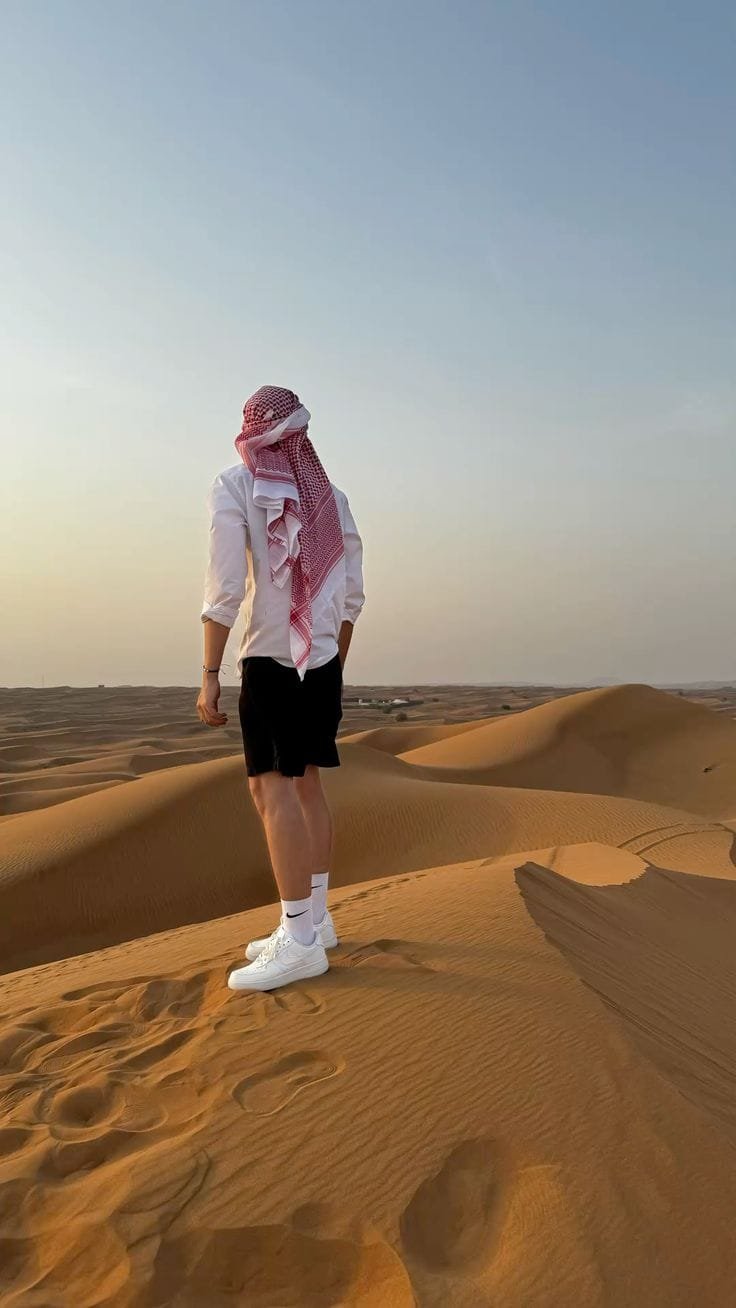
Dubai Desert Safari What to Wear
Exactly what to wear for a Dubai desert safari, with a temperature table by month, outfits for every season and activity, separate guidance for men, women and kids, footwear and a packing checklist, plus the honest truth about what we provide at the camp and what you should bring.
Dubai Desert Safari What to Wear: The Short Answer
Exactly what to wear for a Dubai desert safari, with a temperature table by month, outfits for every season and activity, separate guidance for men, women and kids, footwear and a packing checklist, plus the honest truth about what we provide at the camp and what you should bring.
- How much does a desert safari in Abu Dhabi cost?: Booking direct with us: AED 35 self-drive, AED 50 shared bus from Al Wahda or Mazyad Mall, AED 100 shared hotel pickup, AED 799 for a private 7-seater car and AED 999 for a private Land Cruiser.
- What time does the desert safari start and finish?: Pickup is usually 3:00 to 3:30 PM and you are back in the city around 10:00 to 10:30 PM. Timings follow sunset, so in December pickup moves earlier and in June it moves later.
- What is included in the Abu Dhabi desert safari?: Every evening package includes 4×4 dune bashing, a short camel ride, sandboarding, a sunset photo stop, Arabic costume for photos, henna for ladies, a full BBQ buffet dinner with vegetarian and non-vegetarian options, unlimited soft drinks, water, Arabic coffee and tea, a shisha corner, separate washrooms and around eight live shows including tanoura, belly dance and a fire show.
- What is the best clothing to wear on a desert safari?: Light, loose, breathable clothing in light colours, made of cotton or linen, with closed shoes for the sand.
- Does it get cold during a Dubai desert safari at night?: Yes, especially in winter. The desert loses heat fast after sunset, and from November to February the night can drop into the low teens Celsius and feels colder in the open.
Everything we run in Dubai, with the price on the card
All prices are per car, not per person, unless the card says otherwise. You are booking the operator directly.
 4 hours
Half-Day Dubai City Tour
Burj Khalifa, the Dubai Frame, Old Dubai, the Creek abra and the Gold Souk in a private 4×4.
- Hotel pickup and drop-off
- Private vehicle, no other guests
- Morning or evening, same price
- Photo stops, not a drive-past
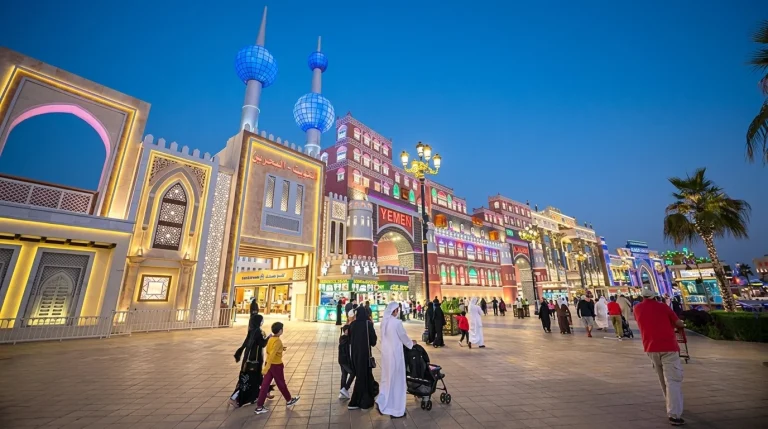 8 hours
Full-Day Dubai City Tour
New Dubai in the morning, Old Dubai in the afternoon — Palm Jumeirah, Marina, the souks and the Creek.
- The only route reaching both Dubais
- Up to 6 people in one car
- Lunch stop where you choose
- Ends at the Fountain show
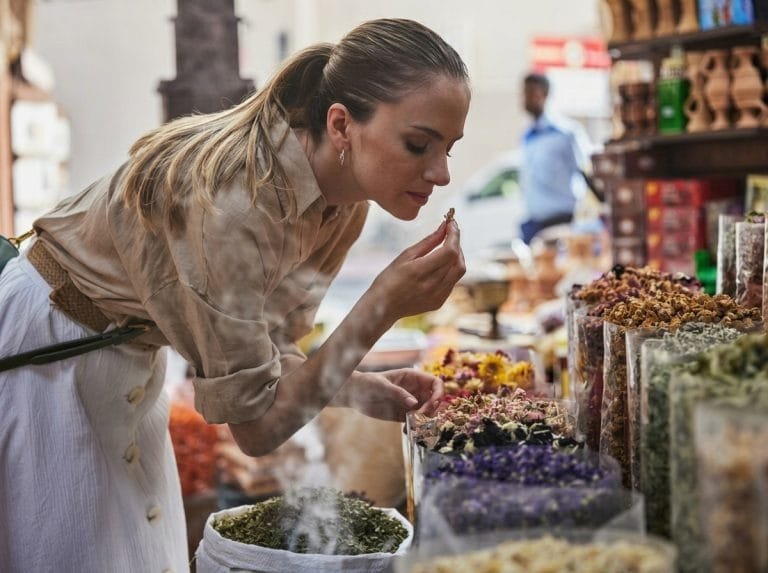 4 hours
Old Dubai and the Souks
Al Fahidi wind-tower district, the AED 1 abra across Dubai Creek, the Gold Souk and the Spice Souk.
- Abra crossing costs AED 1 each
- Short, flat walking
- Best in the morning
- Car waits, you walk
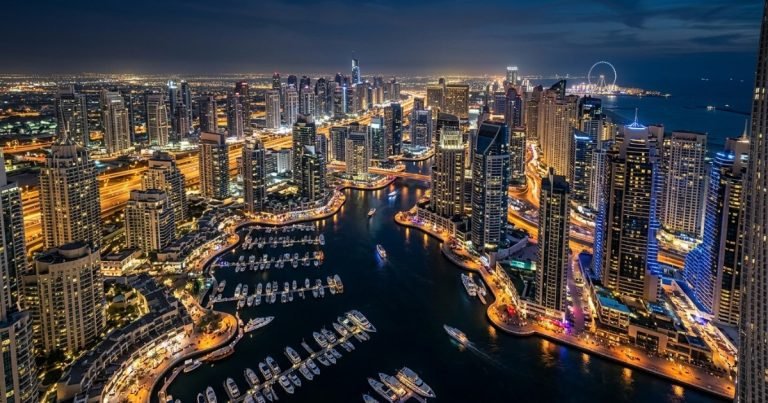 4 hours
Dubai by Night
The Fountain show, Downtown at full light, Sheikh Zayed Road, Dubai Marina, JBR and Bluewaters.
- Starts around 5:30 PM
- Fountain show every 30 minutes
- Most of the stops are free
- Good after a day out
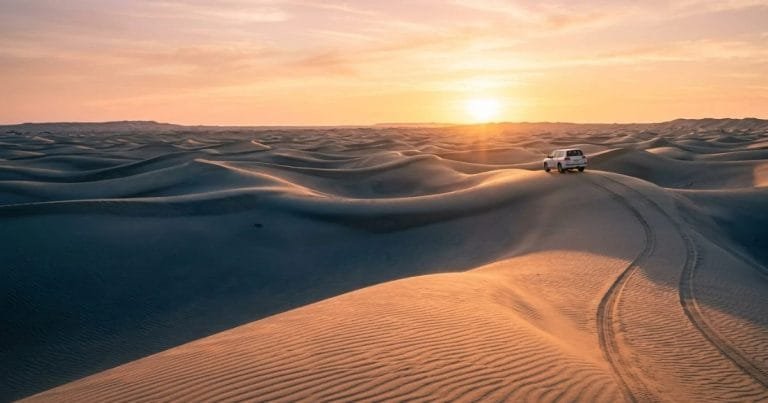 6 hours
Desert Safari From Dubai
Dune bashing, camel ride, sandboarding, a Bedouin camp with BBQ dinner and live shows.
- Private 4×4, up to 7 guests
- Hotel pickup and drop included
- Camp is DTCM licensed
- Shared seats from AED 35 per person
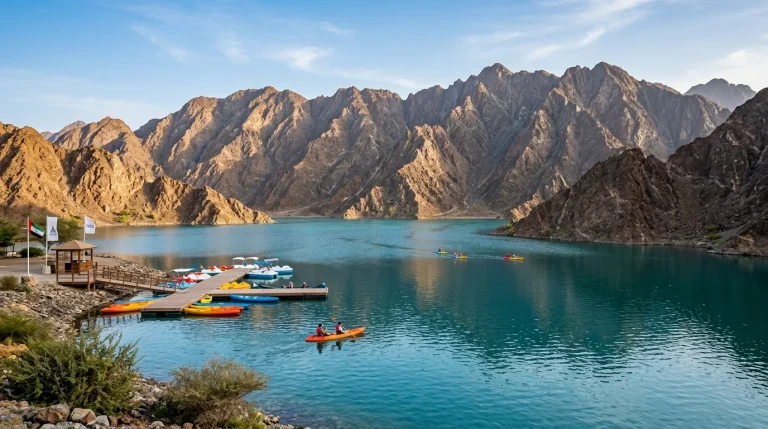 Full day
Dubai to Hatta Tour
Hatta Dam, kayaking, the heritage village and the Hajar Mountains. No passport, no border crossing.
- 90 minutes each way
- Kayak hire paid on site
- Best October to April
- You set the timings
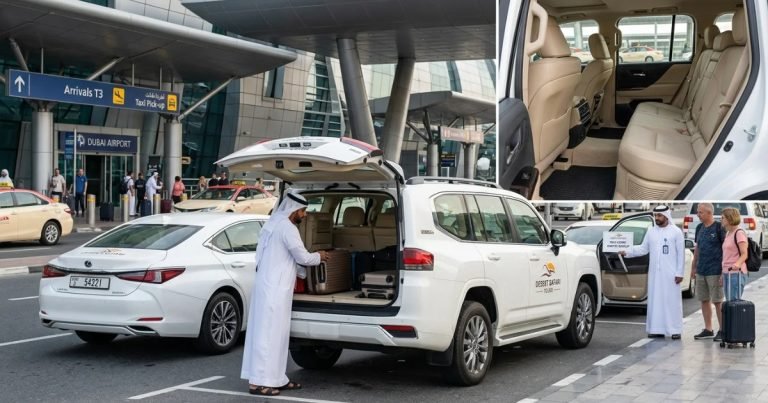 One way
DXB Airport Transfer
Meet and greet with a name board at arrivals, flight tracking, luggage handled, one fixed price at any hour.
- Name board at arrivals
- Flight tracked, delays covered
- No surge at 3 AM
- Fixed price, per car
By the hourCar with Driver, As Directed
No fixed route. Your own car and driver by the hour — shopping, meetings, whatever the day needs.
- AED 250 per hour sedan or SUV
- AED 350 per hour Land Cruiser
- Four-hour minimum
- Wait time included
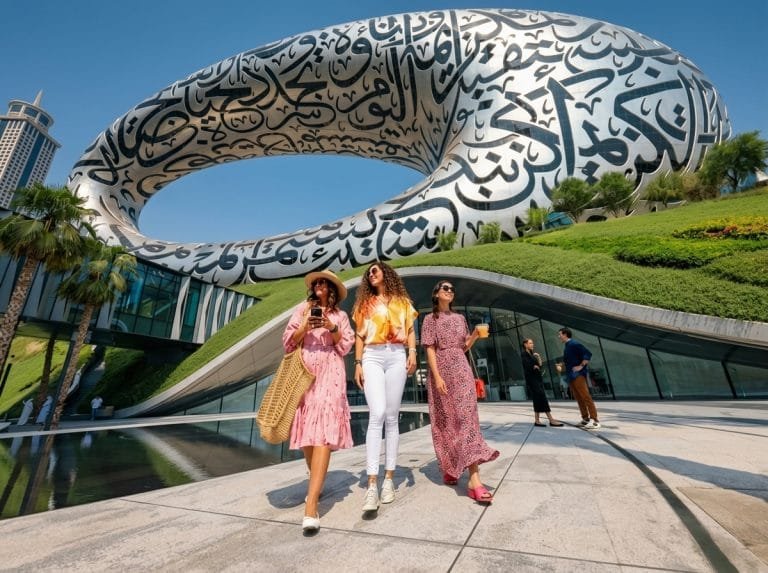 Per attraction
Dubai Attraction Transfers
A private car to Burj Khalifa, the Mall, the Frame, the Palm or the seasonal parks, with the driver waiting outside.
- Waiting time included
- Salik, fuel and parking included
- Tickets bought direct, not by us
- Child seats on request
 Per ride
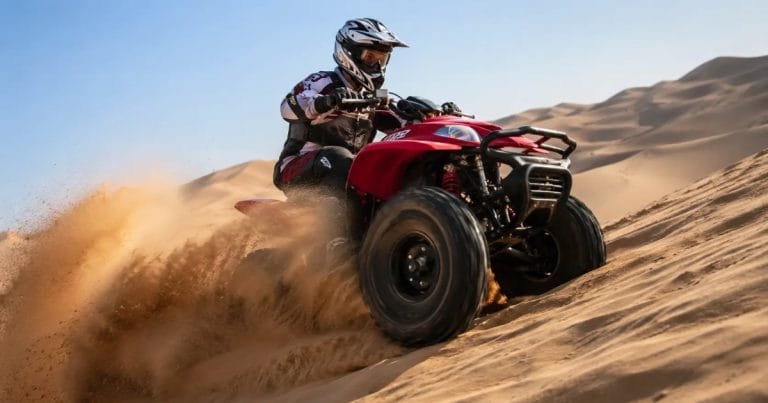
Quad Biking
An automatic quad on a marked desert track with a guide riding ahead. The cheapest way to add adrenaline.
- AED 200 single rider
- AED 300 double
- Guide rides with the group
- No licence needed
 30 min blocks
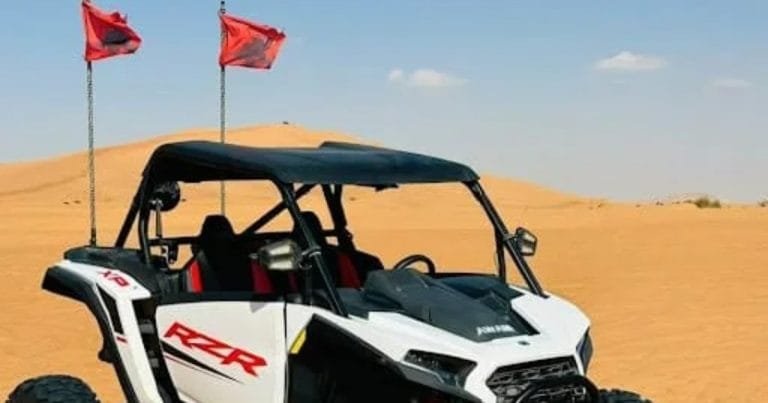
Dune Buggy
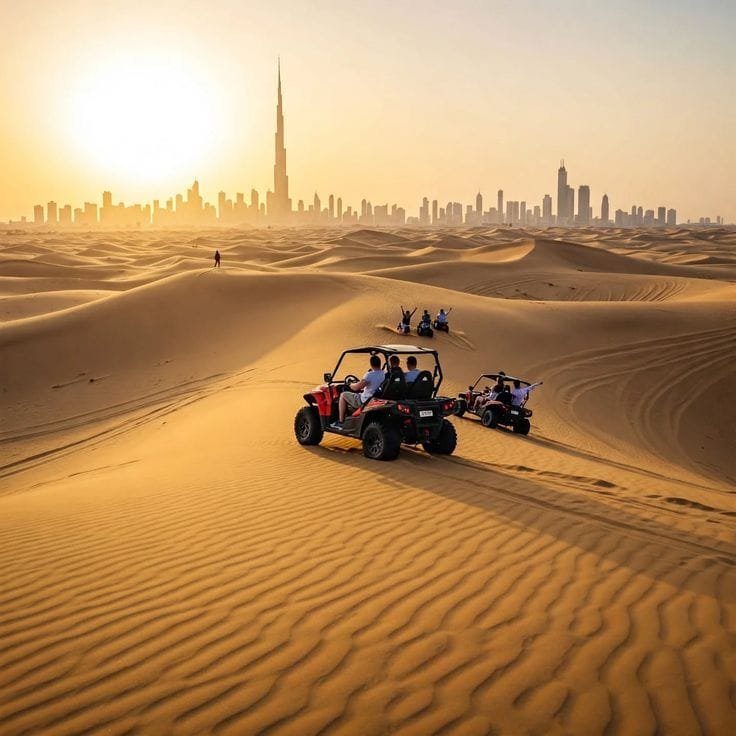
A Can-Am buggy on the dunes, booked by ride time. Sold as an add-on to the safari, not instead of it.
- AED 800 per 30 minutes
- Two-hour minimum
- Helmet and briefing included
- Decide before you arrive
Dubai Desert Safari Packages & Prices
Every package below runs from our own camp in Dubai. Pick how you want to reach the camp — the safari and dinner are the same in all of them.
 AED 35 per person
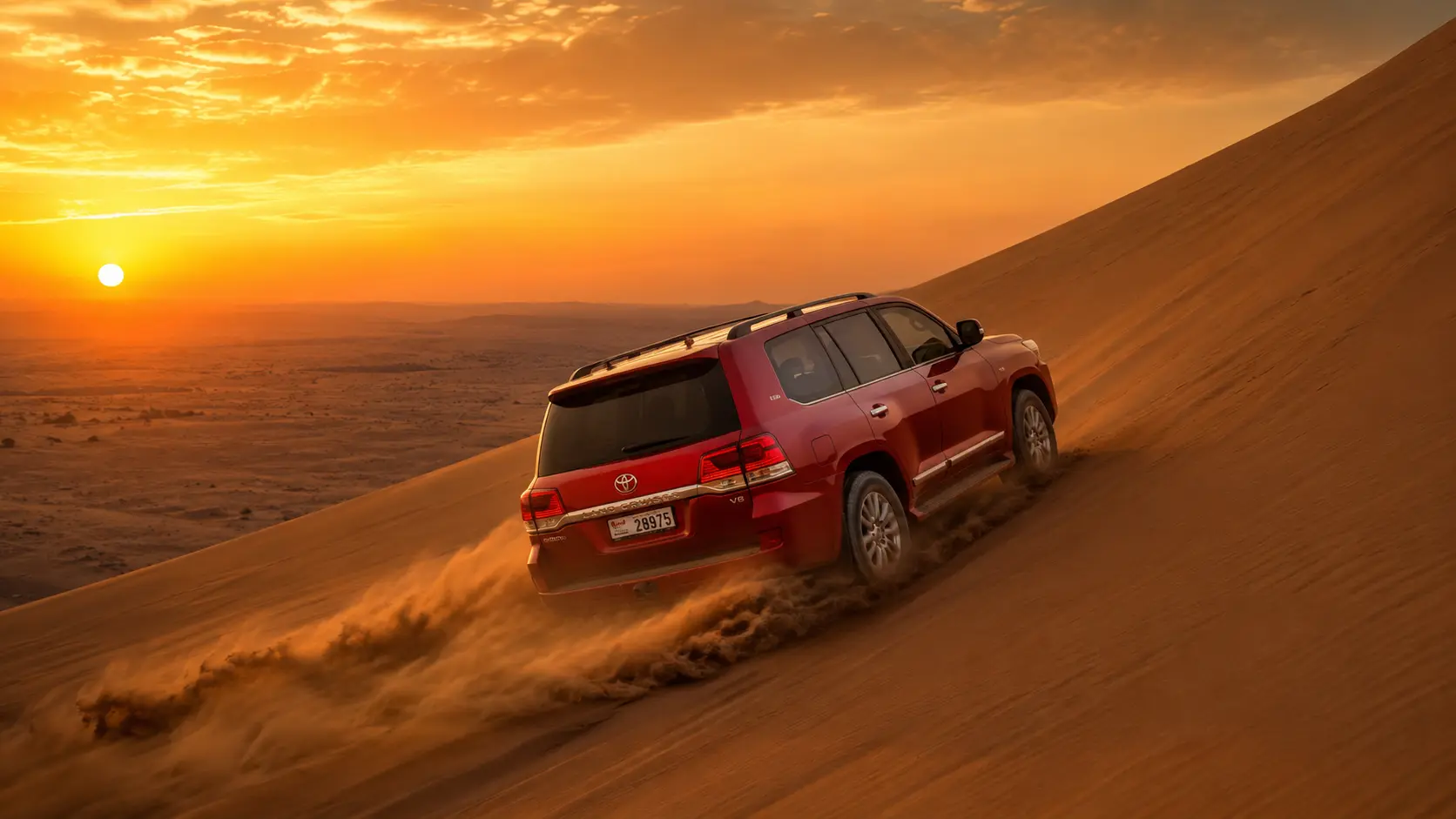
Self-Drive Desert Safari
Drive your own car to our Dubai camp, park free, and join the full safari and dinner. The cheapest way in.
- Free parking at the camp
- Full camp programme & dinner
- Dune bashing with our drivers
- No pickup — you arrive yourself
 AED 50 per person
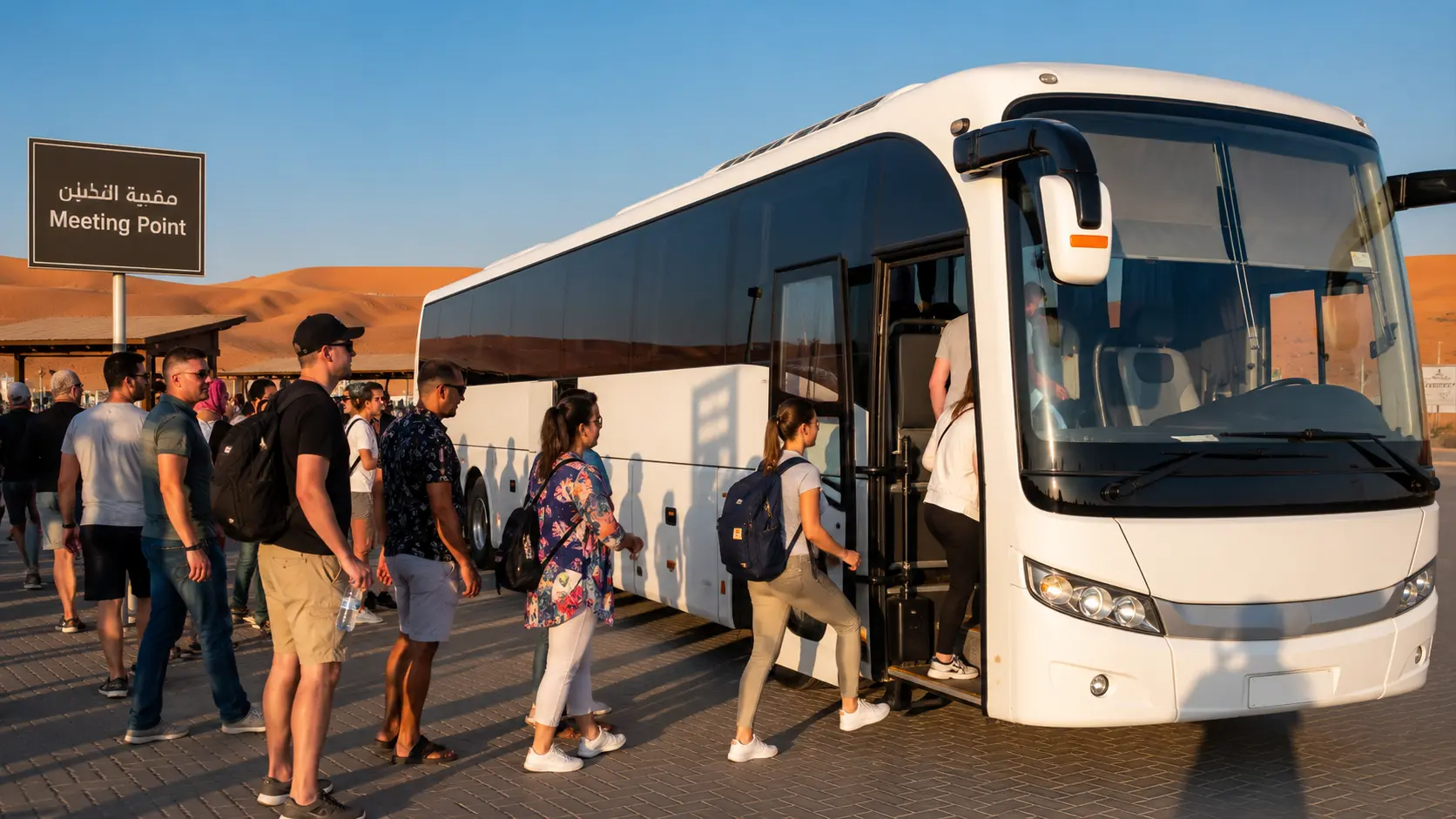
Shared Bus Transfer
A seat on our bus from a central Dubai pickup point and back. Cheapest seat that includes transport.
- Return transfer by bus
- Central Dubai pickup point
- Full camp programme & dinner
- Fixed departure time
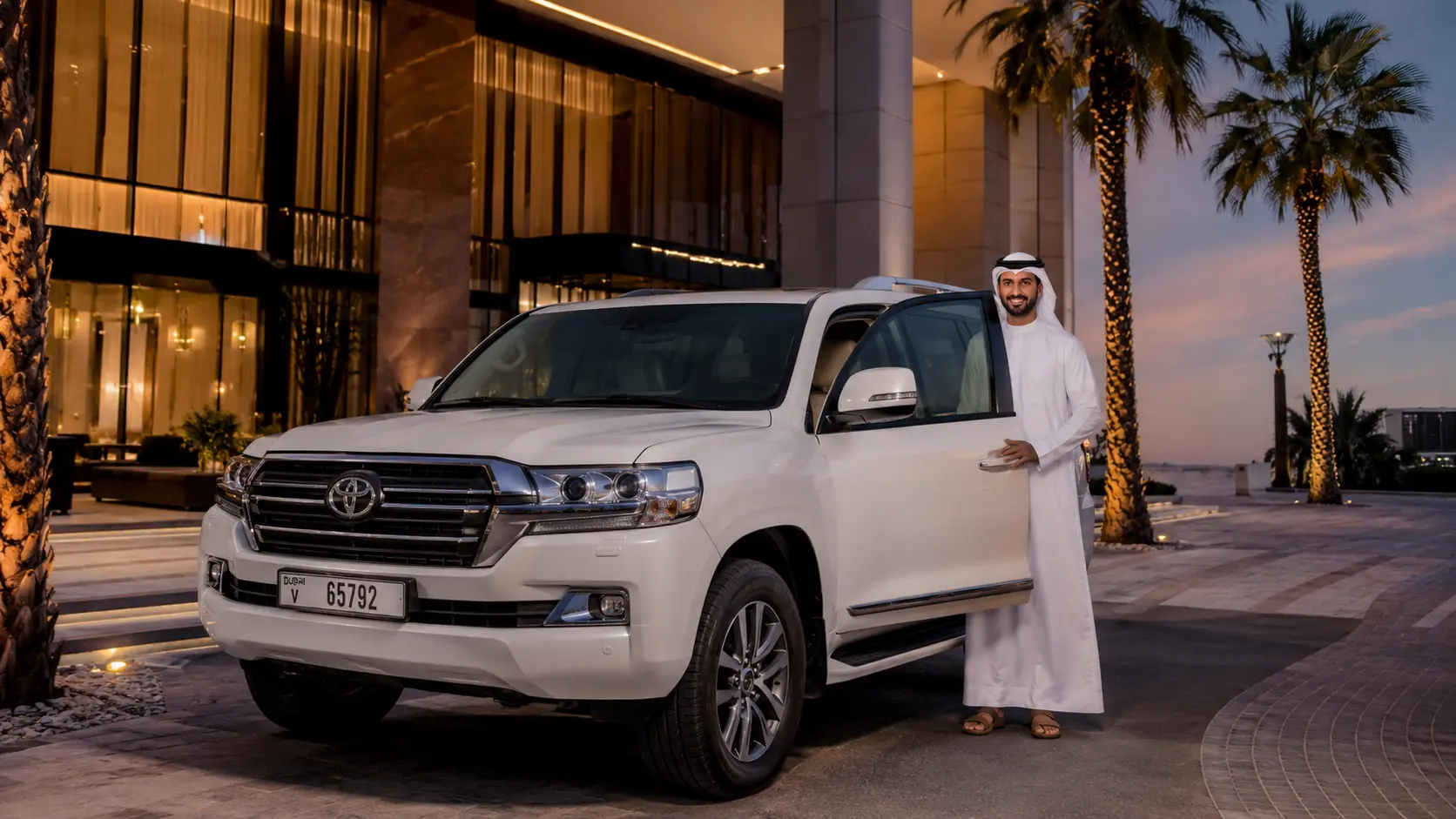 AED 100 per person
Shared Hotel Pickup
A shared 4×4 collects you from your Dubai hotel and returns you after dinner. Door to door.
- Hotel door pickup & drop
- Shared 4×4 with other guests
- Dune bashing on the way in
- Full camp programme & dinner
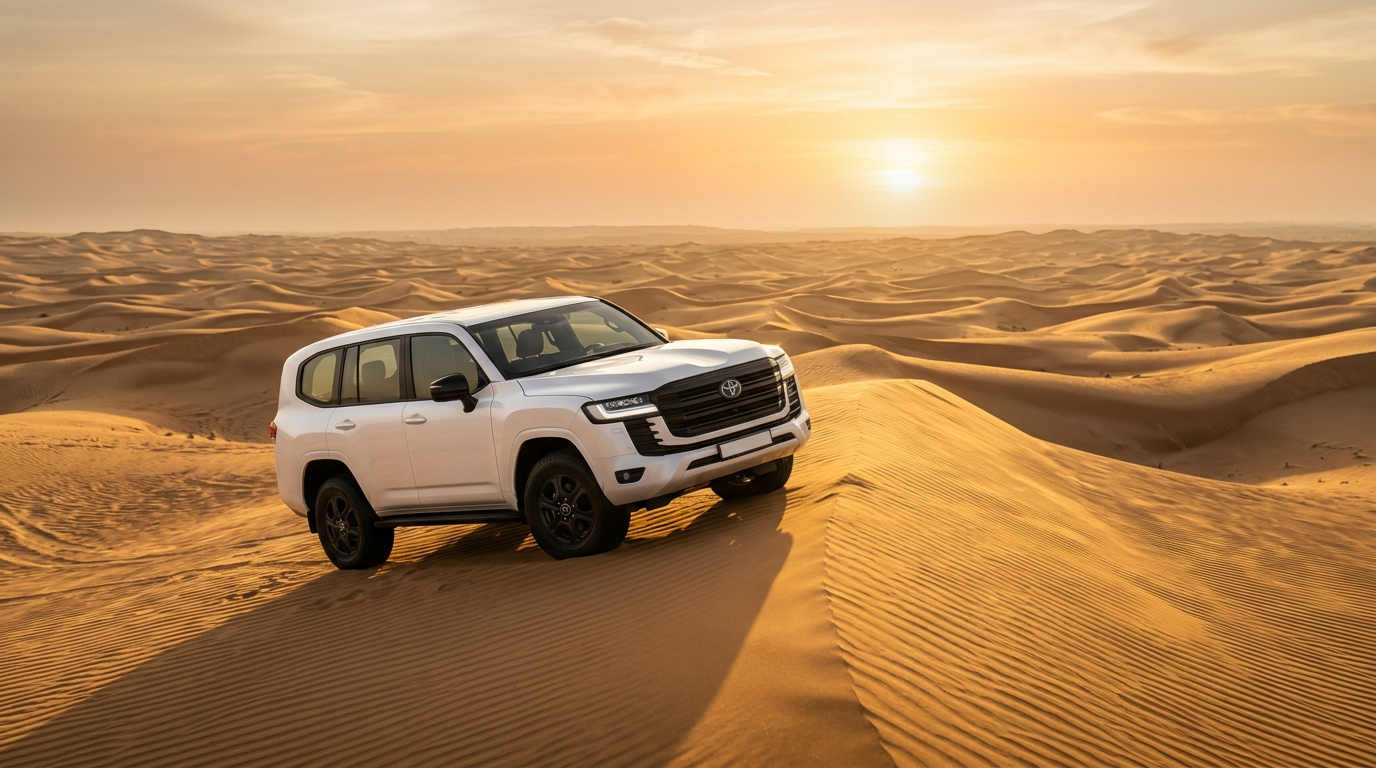 AED 799 per car
Private Car Desert Safari
A private 4×4 for your group only, up to 7 people, hotel pickup and drop. One price for the whole car.
- Private 4×4 — your group only
- Up to 7 people in one price
- Hotel pickup & drop
- Flexible departure time
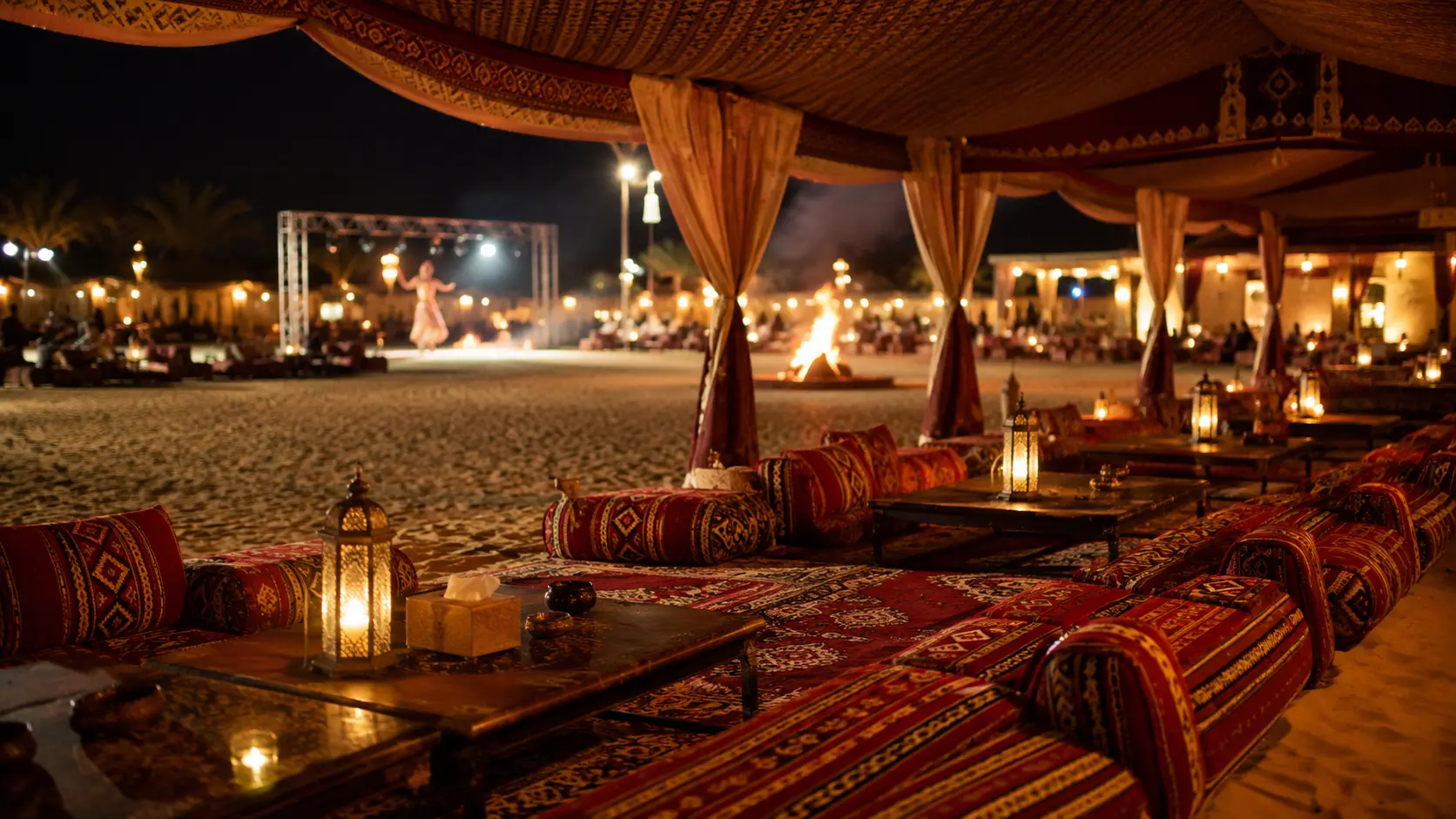 +AED 50 per person
VIP Sitting Area Upgrade
Premium private majlis seating at the Dubai camp. Add it to any option above.
- Private majlis seating
- Away from the main crowd
- Table service
- Adds to any package
Add-Ons & Extras
Customise your safari — add any of these to your chosen package.
Add-Ons You Can Book on the Day
These are optional extras at the Dubai camp. You can add any of them when you book, or decide once you are there — the price does not change either way.
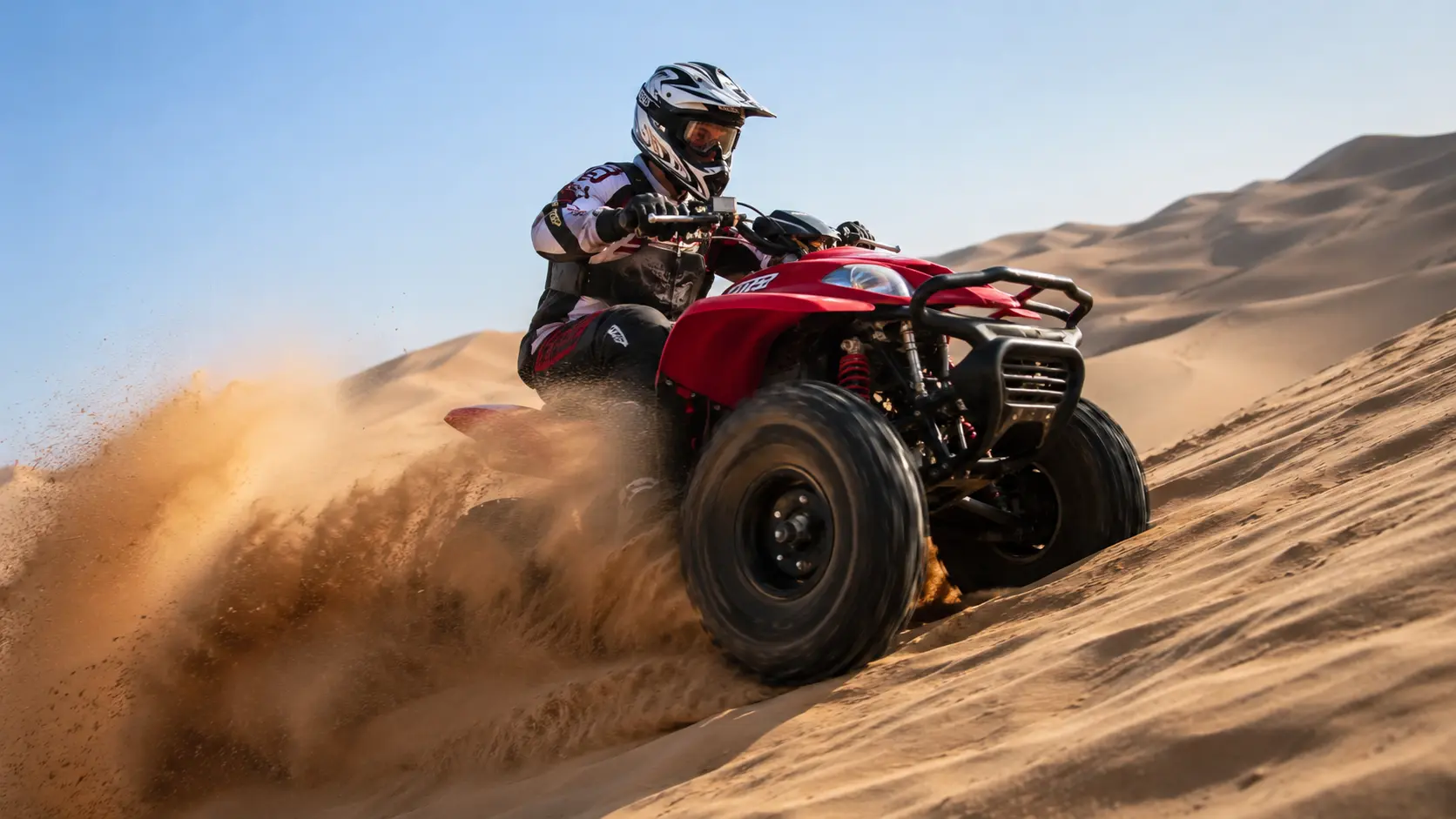 AED 200 single / 300 double
Quad Biking
Ride an automatic quad on the Dubai dunes. AED 200 for a single seater, AED 300 for a double seater.
- Automatic — no gear changing
- Single seater AED 200
- Double seater AED 300
- Helmet and briefing included
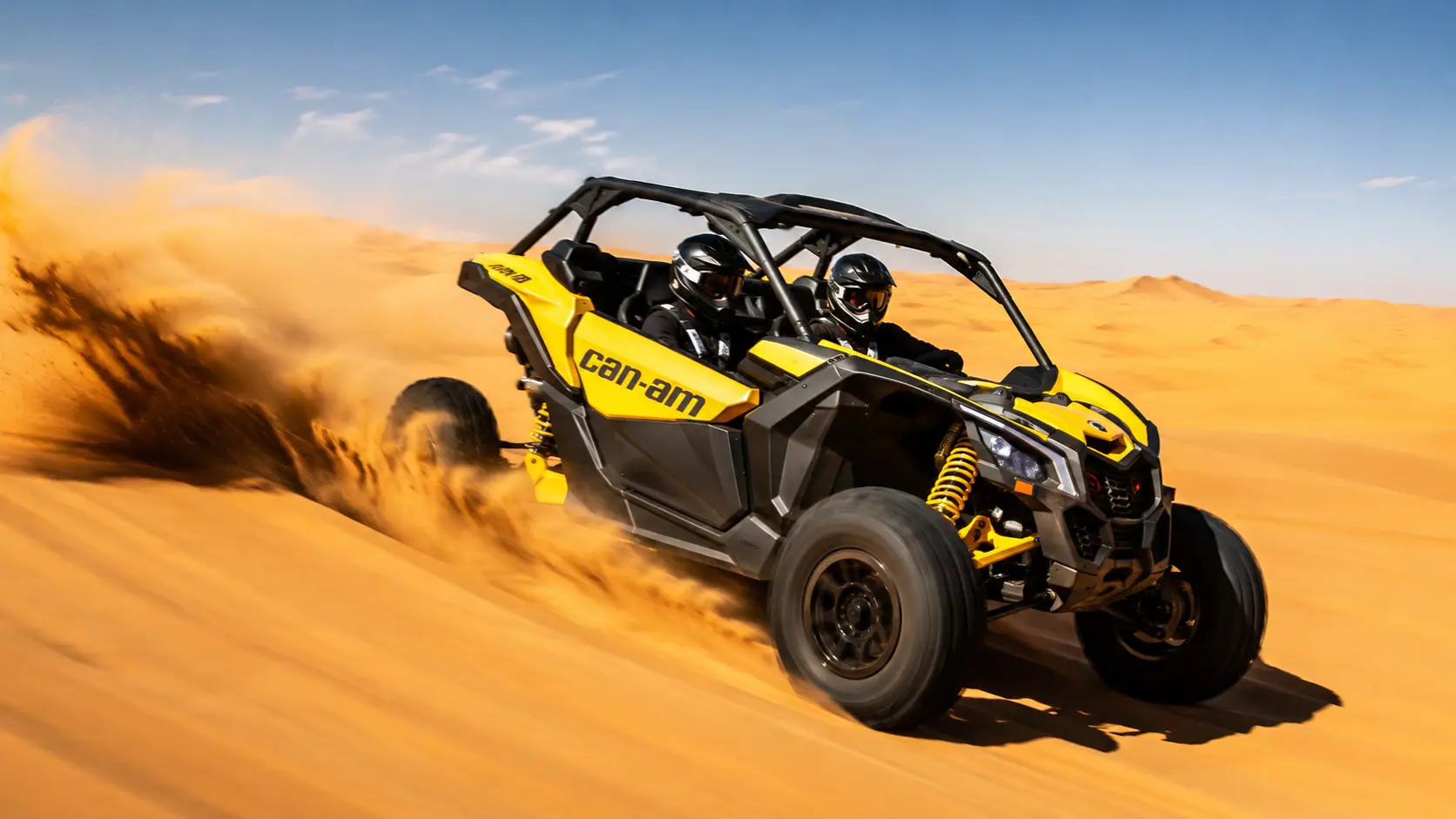 AED 800 / 30 min · 2h min
Can-Am Dune Buggy
A two-seat Can-Am buggy on the open dunes for 30 minutes. The strongest ride we run.
- Two-seat Can-Am buggy
- 30 minutes on the dunes
- Helmet & goggles included
- Driver must be 18+
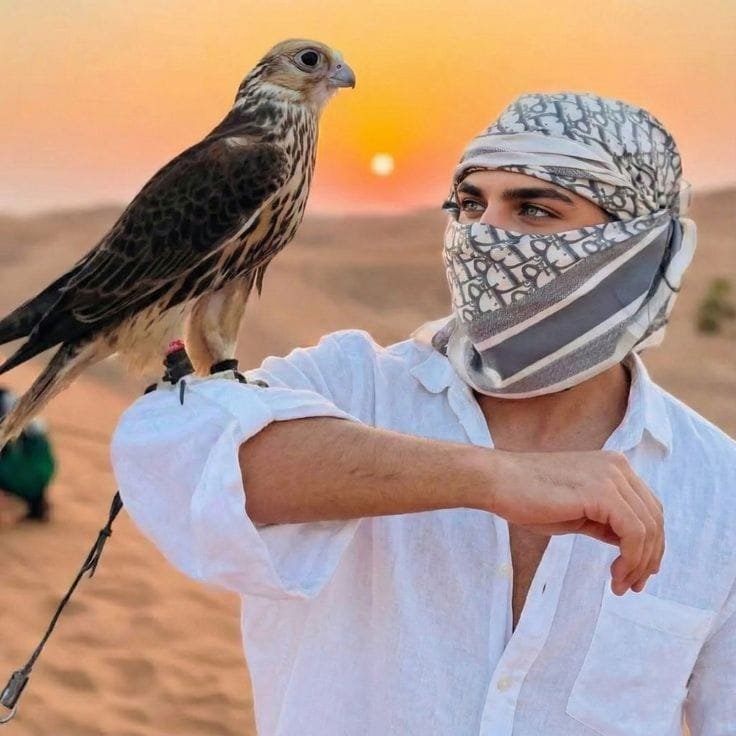 AED 30 per person
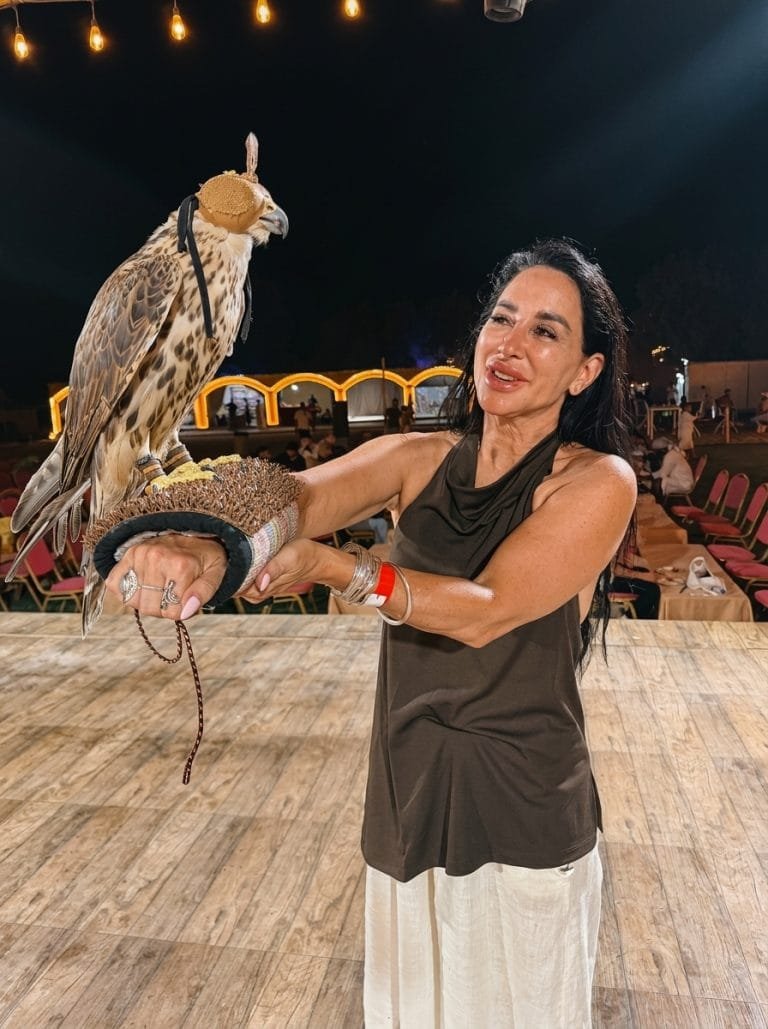
Falcon Photo Experience
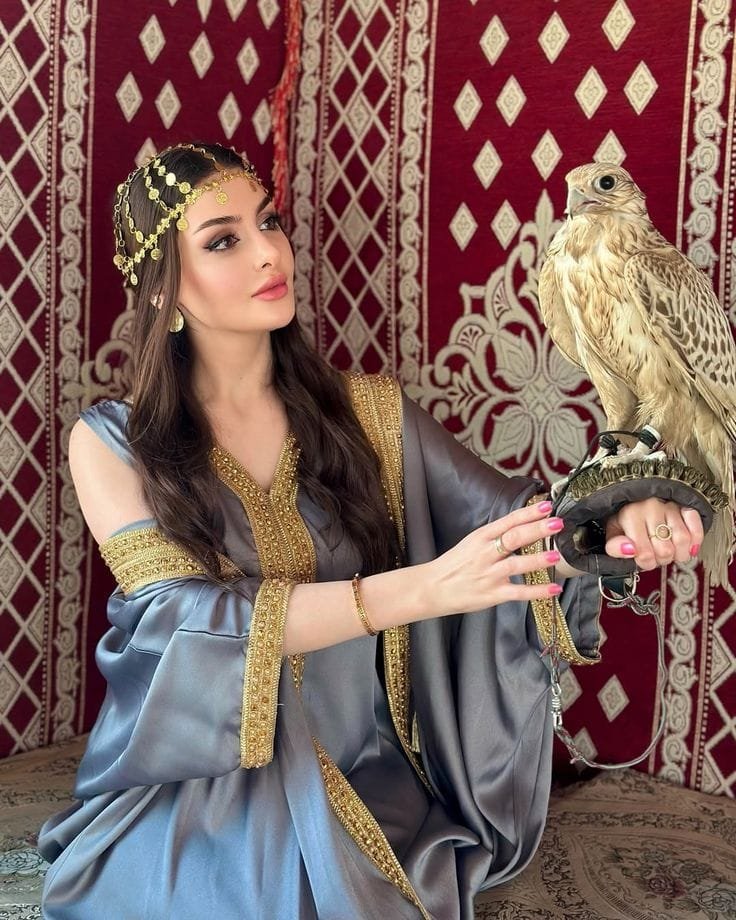
Hold a trained falcon on your glove and get the photo. Thirty seconds, and it is the picture people keep.
- Trained falcon & handler
- Glove provided
- Your own camera or phone
- Children can hold it too
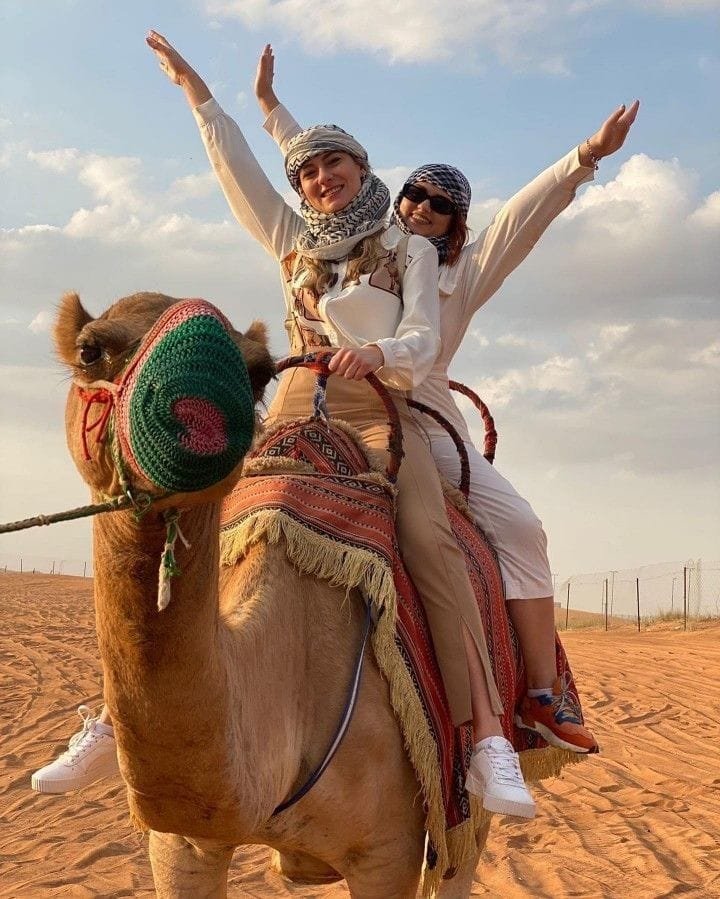 AED 300 for two
Long Camel Ride
A proper long camel ride for two people across the dunes, not the short loop everyone gets.
- Two people on the ride
- Long route across the dunes
- Handler walks with you
- Photos taken for you
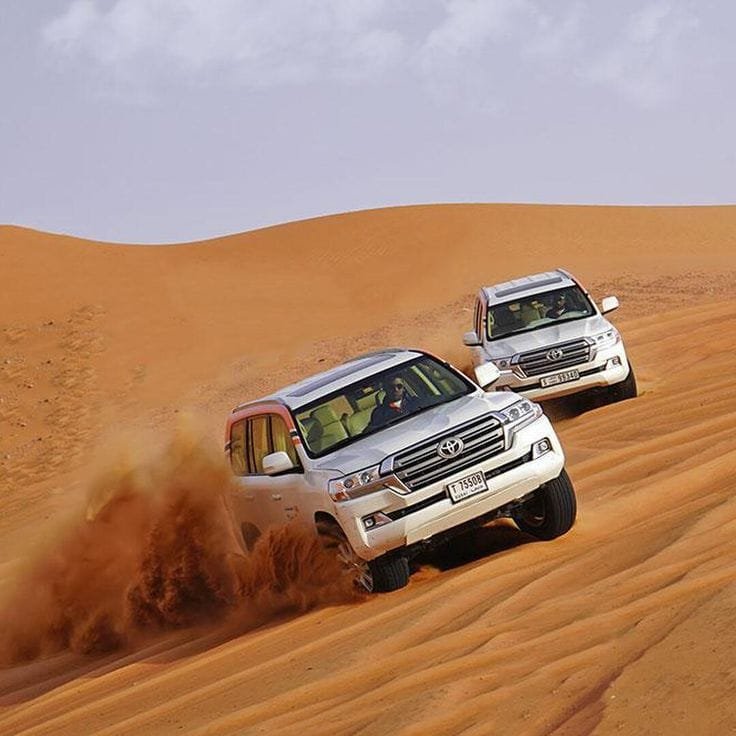 AED 150 per vehicle
Extra Dune Bashing
An additional dune bashing run in the 4×4 after the standard one, priced per vehicle not per person.
- Extra run in the 4×4
- Priced per vehicle
- Share the cost with your group
- Ask the driver at the camp
 AED 50–150
Professional Photography
A photographer shoots you on the dunes at sunset and hands over edited images the same evening.
- Professional photographer
- Sunset dune shoot
- Edited images same evening
- Package depends on shot count
Add-Ons & Extras
Customise your safari — add any of these to your chosen package.
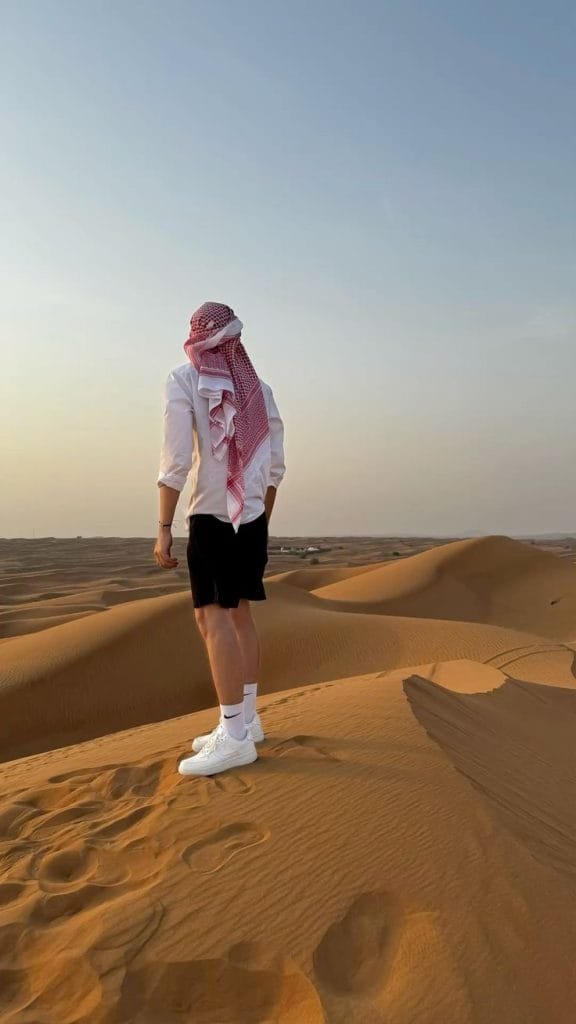
What should you wear for a Dubai desert safari?
For a Dubai desert safari, wear light, loose, breathable clothing in light colours, with closed shoes for the sand. The desert is hot by day and cools quickly after sunset, so bring a light jacket or shawl for the evening, and a warm layer in winter when nights are genuinely cold. Covering your shoulders and knees is a respectful and practical choice. Sunglasses, a hat and sunscreen are essential in daylight.
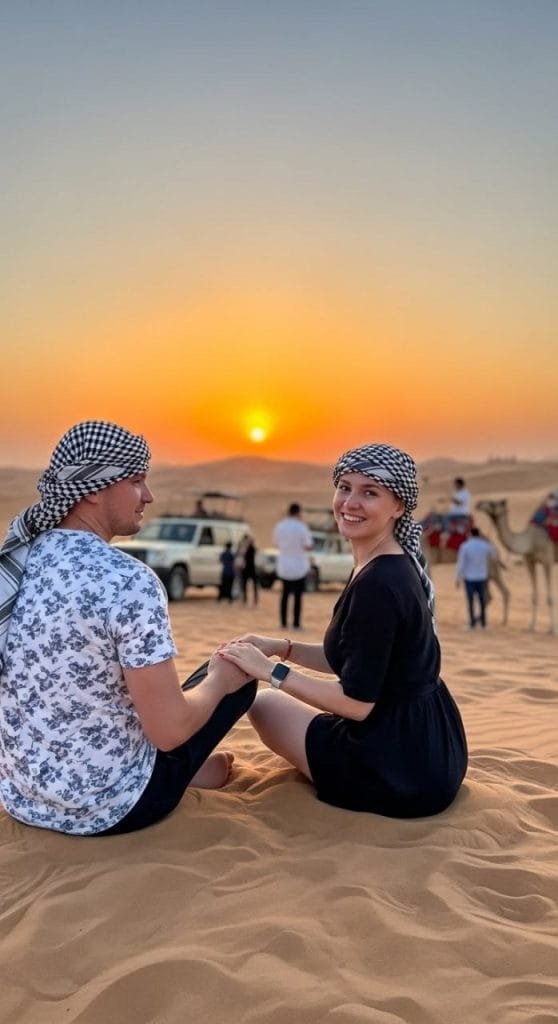
There is no strict dress code at our camp, so comfort comes first, but for dune bashing avoid loose jewellery and anything that will not stay put. A light scarf is the single most useful item, it shades you from the sun, keeps blown sand off your face, doubles as an evening wrap and covers your head if you wish. Arabic costumes for photos are provided free at the camp, so you can dress up for pictures without bringing anything special.
Is There a Dress Code for a Dubai Desert Safari?
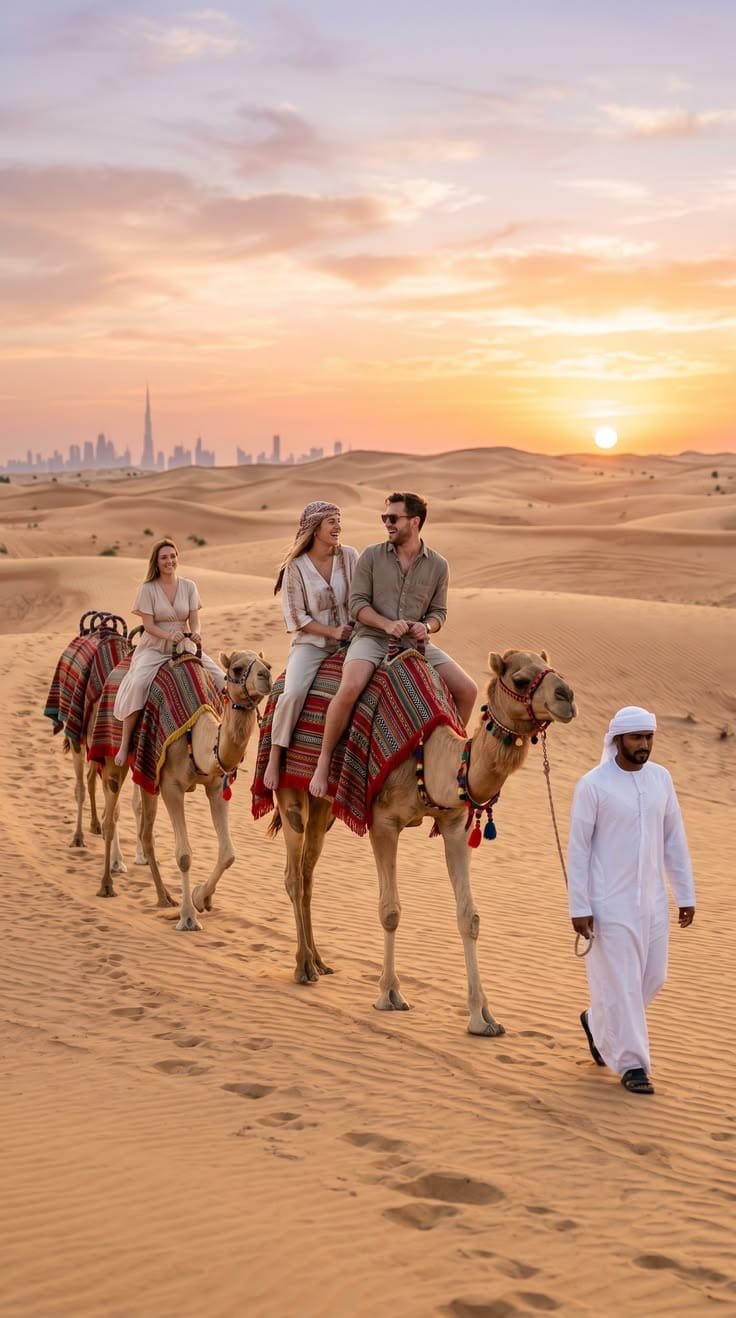
There is no formal dress code for a desert safari at our camp. You will not be turned away for what you wear, and most guests dress in comfortable, casual clothing. That said, the UAE is a Muslim country, and dressing modestly is both respectful and practical in the desert. Covering your shoulders and knees protects you from the strong sun and blown sand, and it is appreciated by the local culture, especially during Ramadan.
In practice this means light trousers or a long skirt rather than very short shorts, and a top with at least short sleeves rather than a bikini top or very revealing clothing. Women do not need to cover their hair, but many bring a light scarf for the sun and for the cooler evening. You can be completely comfortable and still respectful, the two are not in conflict. The rest of this guide gets specific, by season, by activity and by who is going.
Desert Temperature by Month: Dress for the Real Weather
This is the table no other what-to-wear guide gives you. Approximate desert temperatures in the Dubai desert, month by month, so you can dress for the actual conditions. Note that desert nights feel several degrees cooler than the city, especially in winter, because open sand loses heat fast after dark.
| Month | Day high | Night low | What to pack |
|---|---|---|---|
| January | 24C | 14C | Light day clothes plus a warm jacket for the cold evening |
| February | 26C | 15C | Light clothes plus a jacket or shawl at night |
| March | 30C | 18C | Light fabrics, a light layer for the evening |
| April | 35C | 22C | Light, loose clothing, evening layer optional |
| May | 40C | 27C | Lightest breathable fabrics, sun protection |
| June | 42C | 30C | Very light clothing, hat and plenty of water |
| July | 43C | 31C | Lightest possible, full sun protection |
| August | 43C | 31C | Lightest possible, hat, sunglasses, sunscreen |
| September | 40C | 28C | Light, breathable clothing, sun protection |
| October | 36C | 24C | Light clothes, a thin layer for the evening |
| November | 30C | 19C | Light day clothes plus a jacket at night |
| December | 26C | 15C | Light day clothes plus a warm jacket for the cold evening |
The single biggest mistake visitors make is dressing only for the hot afternoon and freezing in the evening. From November to February in particular, the desert night can drop into the low teens and feels colder in the open, so a proper jacket is essential even though the day was warm. In the peak summer months, the opposite is true, the focus is on the lightest, most breathable clothing and serious sun protection.
What to Wear by Season

Summer (May to September)
Days are extremely hot, often above 40C. Wear the lightest, loosest, most breathable clothing you have, light colours, a hat, sunglasses and plenty of sunscreen. A morning or later evening safari keeps the active part in cooler air. Evenings stay warm, so you may not need a layer, but a thin one is handy.
Winter (November to February)
Days are pleasant and warm, around 24 to 30C, but nights are genuinely cold, into the low teens. Dress light for the day but always bring a warm jacket, a hoodie and long trousers for the evening. This is the most comfortable season overall, and the busiest, so book ahead.
Spring (March to April)
Warm, pleasant days and mild evenings. Light, loose clothing for the day with a light jacket or shawl for after sunset is ideal. Good light for photography and fewer crowds than peak winter.
Autumn (October)
The heat is easing but days are still hot and nights are warm. Light, breathable clothing with a thin layer for the evening works well. A comfortable shoulder season for a safari.
If you are visiting in September, treat it as full summer, it is still very hot, so pack the lightest clothing and strong sun protection. For exact pickup times by season, see our timings guide.
Why Layering Is the Secret to the Evening Safari
The evening safari is the most popular, and it spans the biggest temperature swing of the day. You are picked up in the warm afternoon, watch the sunset as it cools, then spend the evening at the camp once the temperature has dropped, sometimes by ten degrees or more. The answer is layering, dress light for the afternoon, then add a jacket, hoodie or shawl as the evening cools.
A light scarf or pashmina is perfect because it packs small, weighs nothing and does the job of a wrap, a sun shield and a sand barrier all at once. Bring it even in summer for the air-conditioned vehicle and the cooler late evening. For an overnight safari, layering matters even more, the night gets cold and you will be grateful for a warm top, long trousers and a hoodie once the sun is fully down.
What to Wear for Each Desert Activity
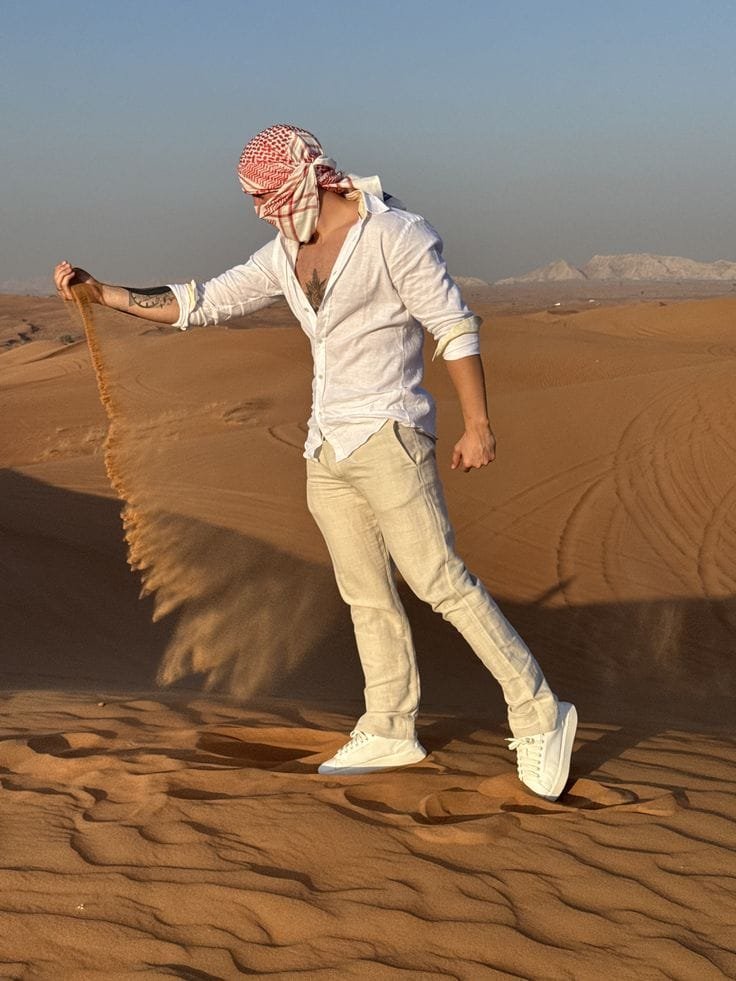
Different activities call for slightly different clothing. Here is what works best for each part of the safari.
| Activity | What to wear |
|---|---|
| Dune bashing | Secure, comfortable clothing, no loose jewellery or hats that blow off. A seatbelt-friendly fit. Tie long hair back. |
| Camel riding | Comfortable trousers rather than a short skirt or dress, so you can sit astride easily. Closed shoes. |
| Sandboarding | Clothes you do not mind getting sandy, closed shoes, and sunglasses. Long sleeves help if you fall. |
| Quad bike or dune buggy | Closed shoes, long trousers and long sleeves to protect from sand and sun, sunglasses essential. We provide helmets. |
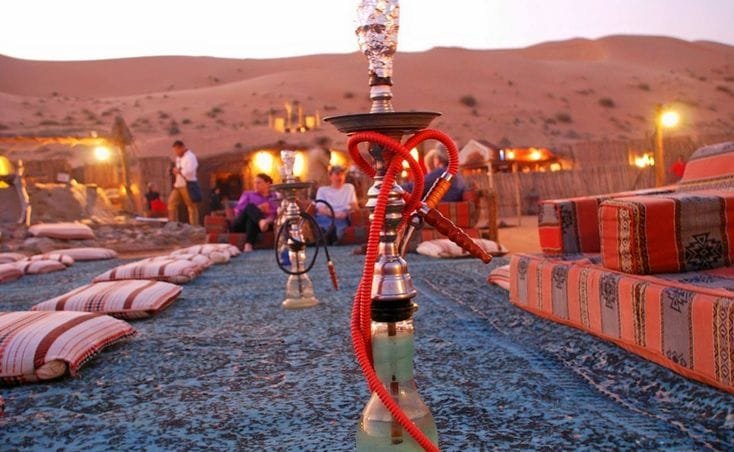
| Evening shows and BBQ dinner | Relax into a comfortable layer as it cools. The camp seating is on cushions and carpets, so easy clothing is best. |
The common thread is closed shoes, secure clothing and sun protection for the active part, then comfortable layers for the relaxed evening at the camp. None of it needs to be special or expensive, just practical for sand, sun and a temperature that falls through the evening.
A Note on Dune Bashing Clothing

Dune bashing is the most physical part of the safari, the 4×4 climbs and drops across the dunes, so a few clothing choices make it more comfortable. Wear something that stays in place when you are pressed back in the seat, keep hats and sunglasses secured or stowed during the ride, and put loose items like phones in a zipped pocket or bag. Tie long hair back so it does not whip around.
If you are prone to motion sickness, snug, comfortable clothing and a light meal beforehand help, and you can always ask the driver for a gentler ride, which we are happy to give. After dune bashing you arrive at the camp, where you can loosen up and settle in for the calmer activities, the dinner and the shows.
What Should Men Wear for a Desert Safari?
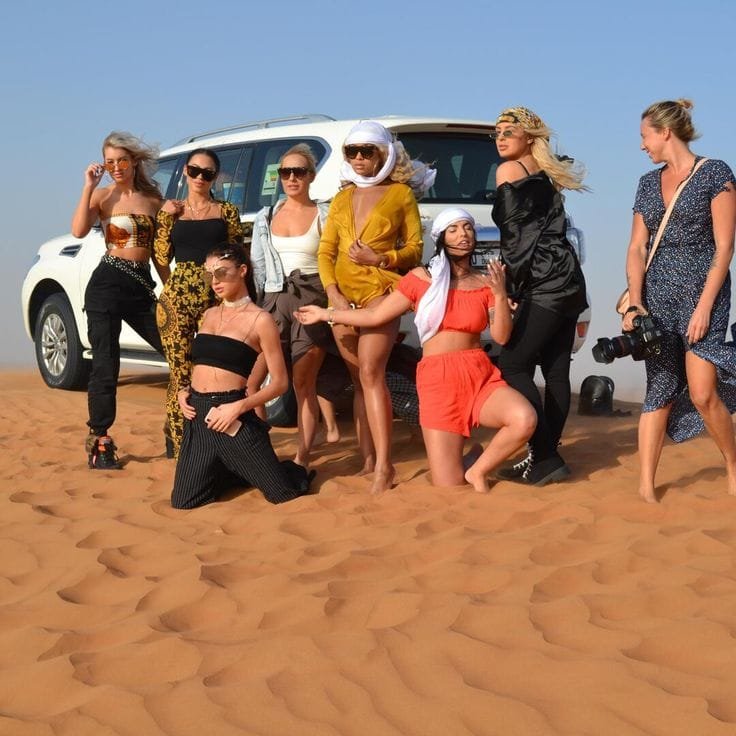
For men, the ideal is a light, breathable shirt or t-shirt, ideally cotton or linen, with loose trousers or chinos rather than tight, heavy jeans. A long-sleeved linen shirt is excellent, it keeps the sun off while staying cool, and rolls up if you want. Light colours beat black, which absorbs the heat. Add closed shoes or trainers, a cap and sunglasses, and you are set for the day.
For the evening, bring a hoodie or light jacket, the temperature drop after sunset surprises most first-timers. Avoid very short shorts out of respect for the culture, knee-length shorts are fine in summer if you prefer, but lightweight trousers are more comfortable for camel riding and quad biking. Keep it simple and practical: this is sand and sun, not a fashion event, though the Arabic costumes at the camp are great fun for photos.
Men, in one line
Light shirt or tee, loose trousers, closed shoes, cap and sunglasses by day, plus a jacket for the evening. Avoid all-black, heavy denim and open sandals during activities.
What Should Women Wear for a Desert Safari?
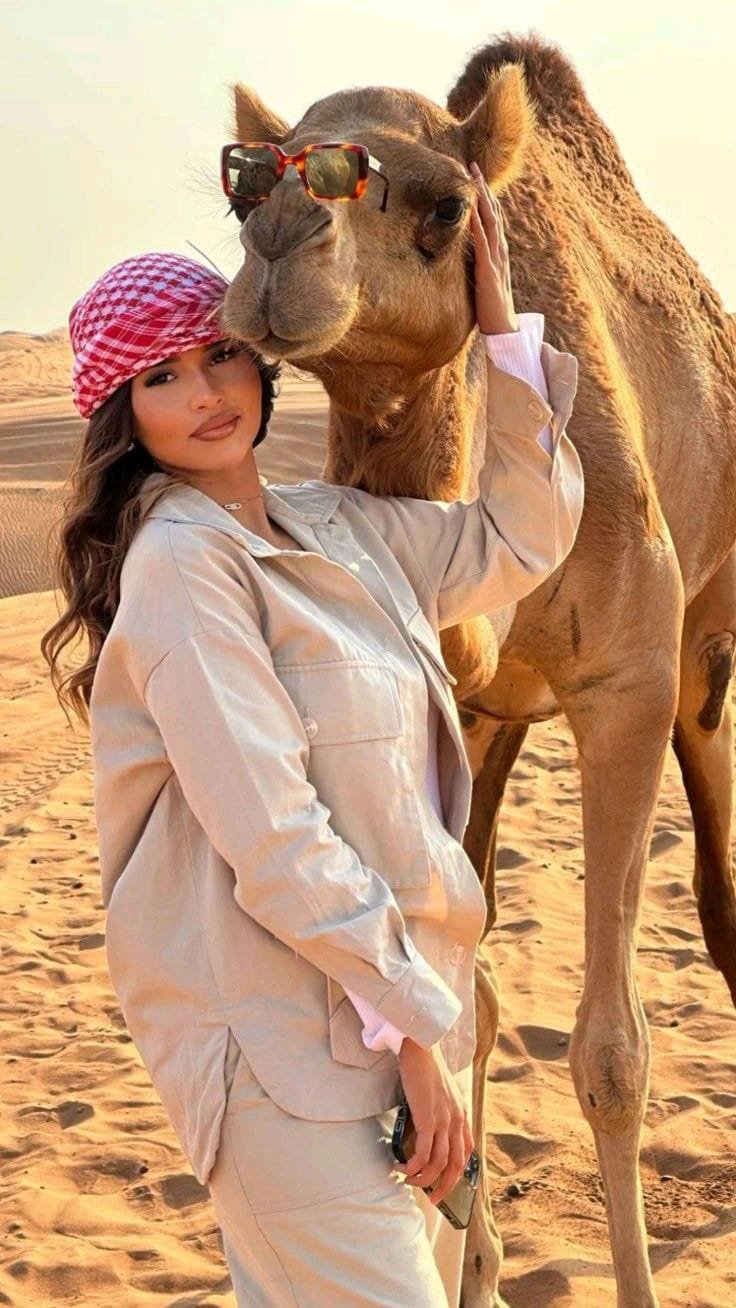
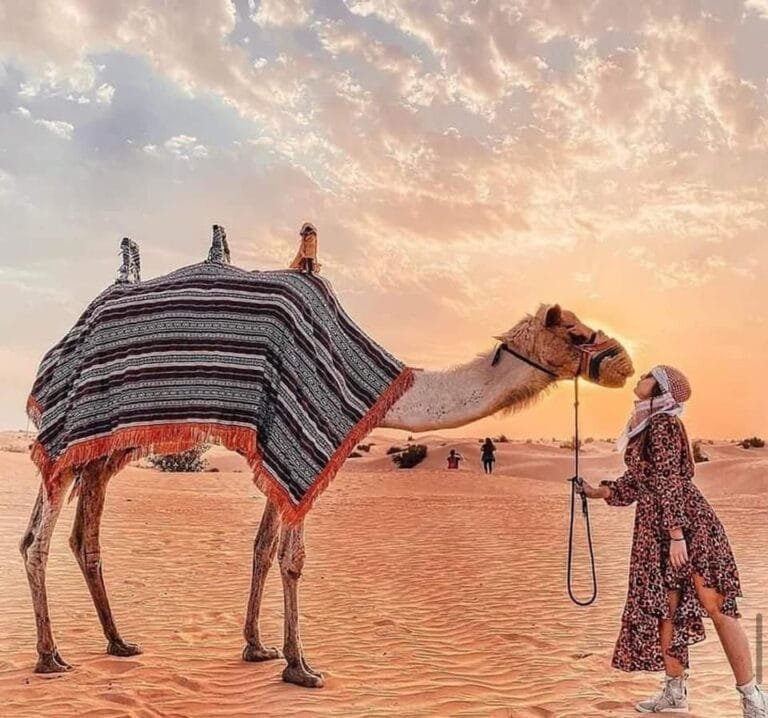
For women, comfort, sun protection and a touch of cultural respect are the goals, and they all point to the same kind of outfit: light, loose and flowing. A maxi dress, a long skirt, or loose palazzo or linen trousers with a light top all work beautifully, they keep you cool, protect you from the sun, photograph wonderfully against the dunes, and respect local custom by covering shoulders and knees. Light, earthy or neutral colours look stunning in desert photos and feel cooler than dark shades.
A light scarf or pashmina is the most useful single item: it shades you, keeps sand off, becomes an evening wrap, and covers your hair if you wish, though you do not need to. For the active part, remember practicality: if you plan to ride a camel or a quad bike, loose trousers or a divided skirt are far easier than a tight or very short dress, and you may prefer to change into a flowing dress at the camp for photos. Skip high heels entirely, they sink into the sand, and choose flat closed shoes or sandals you can walk in.
In the evening, add a jacket, cardigan or shawl as it cools. You do not need to wear an abaya, but if you would like the experience, the camp provides Arabic costumes for photos at no charge. The bottom line for women: dress for heat by day and cool by night, keep it loose and modest enough to be comfortable and respectful, and you will be perfectly dressed.
Women, in one line
Loose maxi dress or linen trousers and a light top, flat closed shoes, a scarf, and an evening layer. Light neutral colours for the best photos. Trousers are easier for camel and quad rides.
What Should Kids Wear for a Desert Safari?
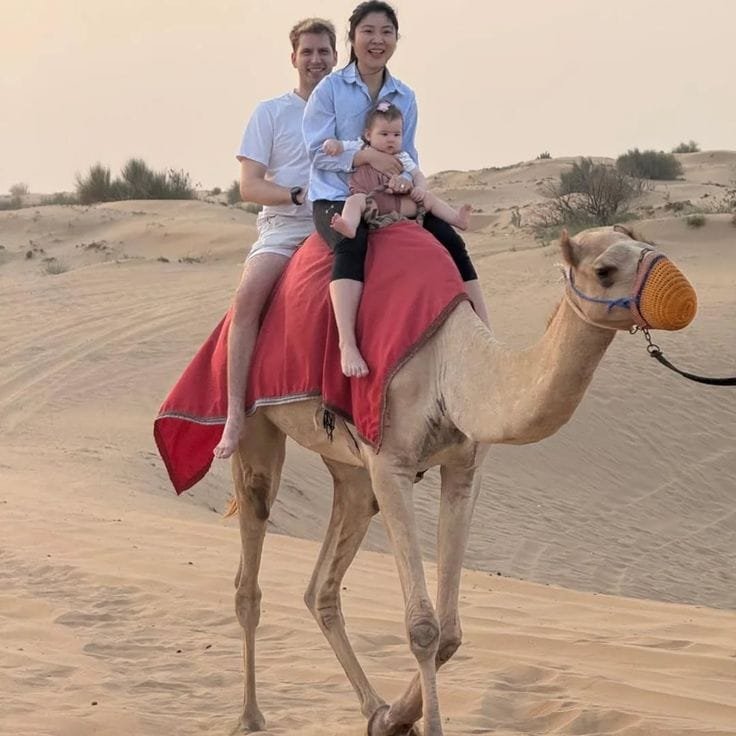
Children should wear light, comfortable, breathable clothing with closed shoes, a sun hat and plenty of sunscreen. Kids feel the heat and the evening chill more quickly than adults, so always pack a warm layer for them too, even on a hot day, because the desert evening cools fast.
A couple of practical tips: bring a spare set of clothes, children and sand are inseparable, especially with sandboarding, and a small towel and wet wipes are handy. Avoid flip-flops, which fill with sand, in favour of trainers or closed sandals. For toddlers, comfort and warmth in the evening matter most, and you can keep their part of the safari gentle, they will love the camels, the camp and the shows.
What Shoes Should You Wear for a Desert Safari?
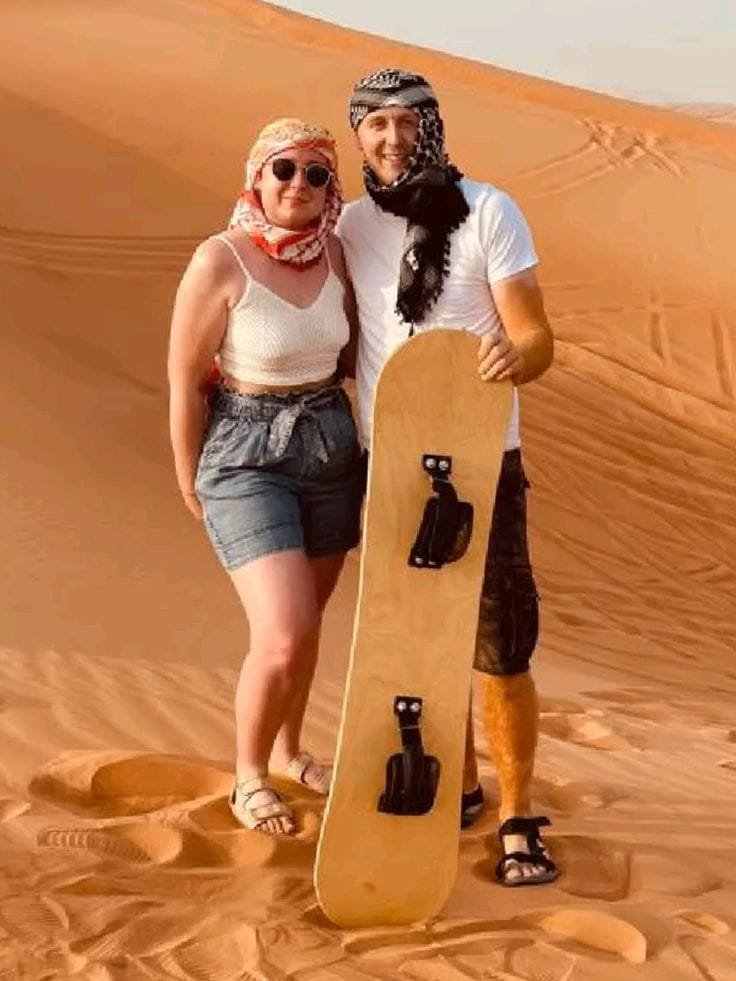
The best shoes for a desert safari are closed-toe trainers or sneakers. They keep sand out, give you grip on the dunes, and are comfortable for dune bashing, sandboarding and walking on soft sand. Slip-ons and canvas shoes are fine too and are easy to shake sand out of. Many guests bring socks, which help keep sand off the feet.
| Footwear | Verdict |
|---|---|
| Closed trainers / sneakers | Best choice, ideal for all activities and the sand |
| Slip-ons / canvas shoes | Good, easy to empty sand, fine for the camp and light activity |
| Flat sandals | Okay for relaxing at the camp only, not for dune activities |
| Flip-flops | Not ideal, fill with sand and slip off, fine only for lounging |
| High heels | Avoid, they sink straight into the sand |
| Brand-new stiff shoes | Avoid, sand and a long evening can cause blisters |
A simple rule: wear closed shoes you do not mind getting sandy for the active part, and if you want to relax barefoot or in sandals on the camp carpets in the evening, you easily can. Sand brushes off skin and clothing easily, so do not worry about it, just leave the white designer trainers at the hotel.
Desert Safari Essentials Checklist
Beyond clothing, a few small items make the safari more comfortable. Most fit in a small bag.
| Item | Why |
|---|---|
| Sunglasses | Sun glare and blown sand, essential in daylight |
| Hat or cap | Sun protection, secure it during dune bashing |
| Sunscreen | Strong desert sun, apply before pickup and top up |
| Light scarf / pashmina | Sun shield, sand barrier, evening wrap, head cover, all in one |
| Light jacket or hoodie | The evening cools fast, especially in winter |
| Small zipped bag | Keep your phone and valuables sand-free and secure |
| Power bank | For all the photos you will take |
| Cash or card | To pay on the day and for any add-ons |
| Lip balm and hand sanitiser | The dry air and the sand |
| Spare clothes (kids) | Children and sandboarding go together |
You do not need to bring water, snacks, costumes or a towel, those are provided at the camp, which we cover in detail below. Keep your bag small and zipped, sand gets into everything that is left open.
What Not to Wear on a Desert Safari
Just as useful as what to wear is what to leave behind. Avoid these on a desert safari:
All-black or dark clothing in the day, it absorbs the heat and makes you hotter. Tight, heavy denim or skinny jeans, uncomfortable in the heat and awkward for camel riding and quad biking. Heavy, non-breathable fabrics, you will overheat. Open sandals, flip-flops or heels during the activities, they fill with sand or sink into it. Loose, dangling jewellery and valuables during dune bashing, they can be lost or get in the way. And very revealing clothing, out of respect for local culture, though modest does not mean uncomfortable.
One more honest tip: avoid wearing anything you would be upset to get sandy or to stain. Henna, if you have it done, takes time to dry, and sand gets everywhere, so save the brand-new white outfit for another day. Comfortable, light, practical clothing always beats a fragile fashion choice in the desert.
What We Provide vs What You Should Bring
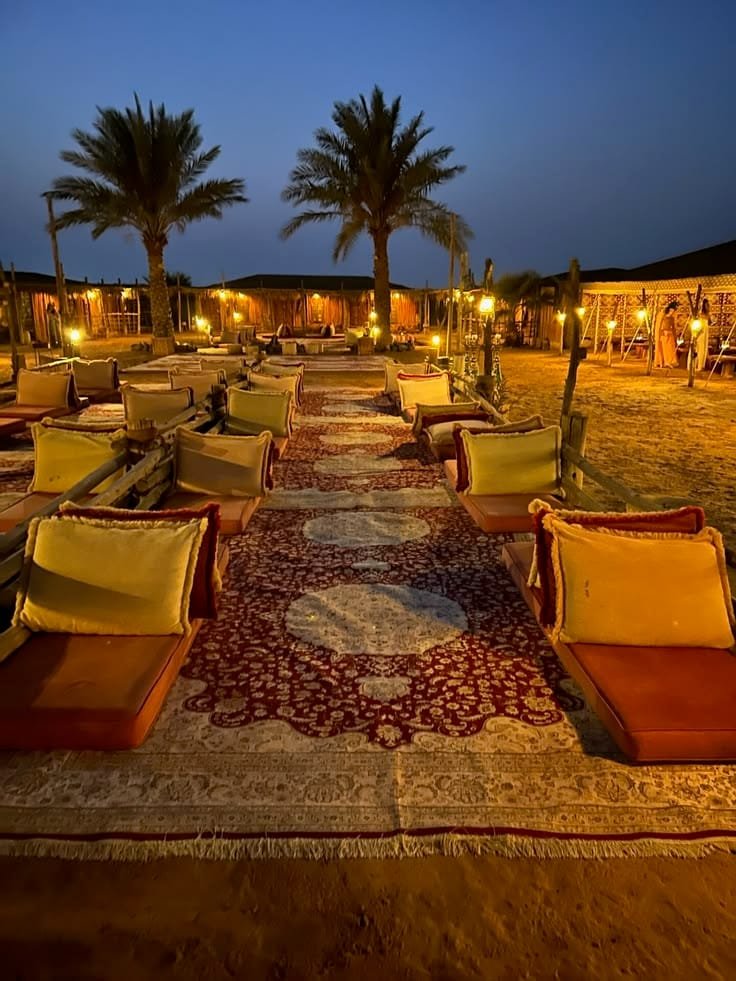
No other what-to-wear guide tells you this clearly, so here it is. Many things you might think to pack are already provided at our camp, which means you can travel light.
| Provided free at the camp | You should bring |
|---|---|
| Unlimited water, tea, coffee and soft drinks | A light jacket or hoodie for the evening |
| BBQ buffet dinner (evening safari) | Sunscreen, sunglasses and a hat |
| Arabic costumes for photos | A light scarf or pashmina |
| Basic henna for ladies | Cash or card to pay on the day |
| Shisha in the camp area | A spare set of clothes for children |
| Cushioned seating, carpets and washrooms | Any personal medication you need |
| Overnight: mattress, blankets, bonfire, breakfast | A power bank and your camera or phone |
So you do not need to carry water, snacks, a towel or fancy outfits, the essentials are covered. Focus your packing on sun protection for the day, a warm layer for the evening, and a small zipped bag for your valuables. That is genuinely all most guests need.
Overnight Safari: Extra Packing
If you are staying overnight in the desert, pack a little more, because the night gets genuinely cold and you will be there until morning.
Bring: a warm jacket or hoodie and long trousers for the cold night, a change of clothes for the morning, your personal toiletries and any medication, and a small torch if you like. Provided: a mattress and blankets to sleep, the bonfire, dinner, breakfast and water. Nights in winter can drop into the low teens and feel colder in the open desert, so warm layers are the one thing you must not forget. For the full experience, see our overnight safari guide.
Dressing for the Photos
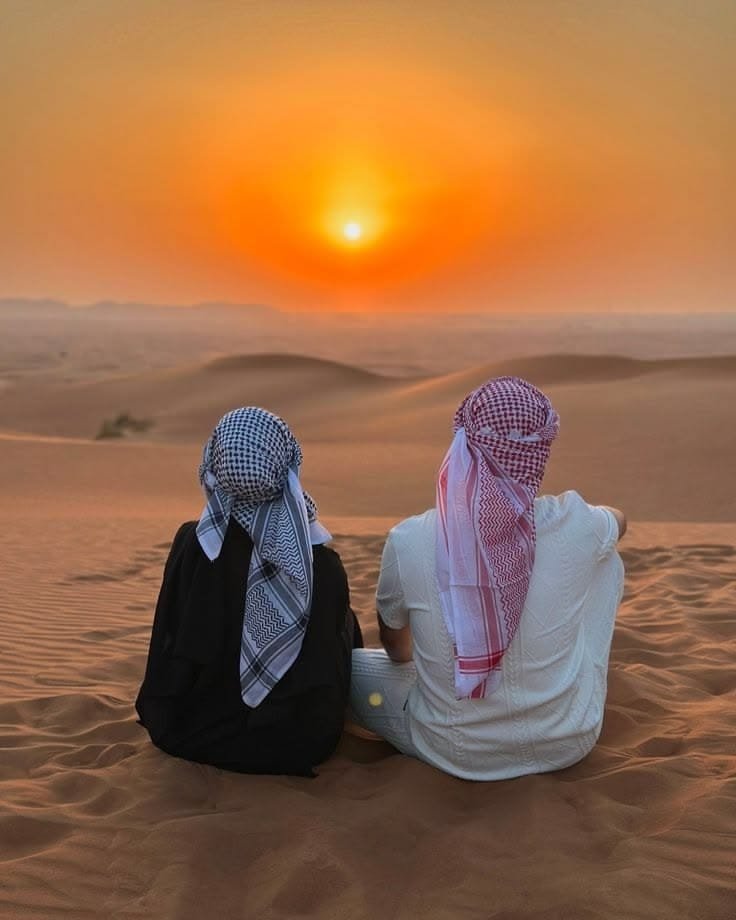
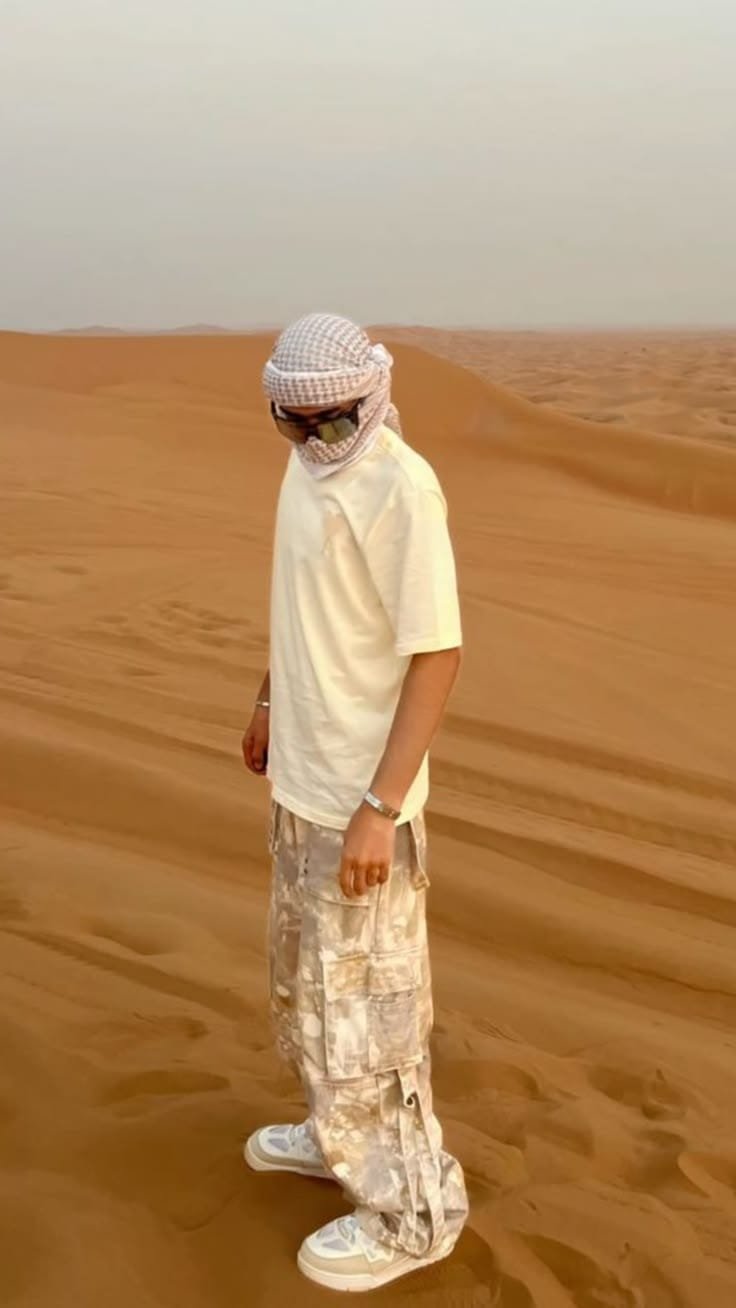
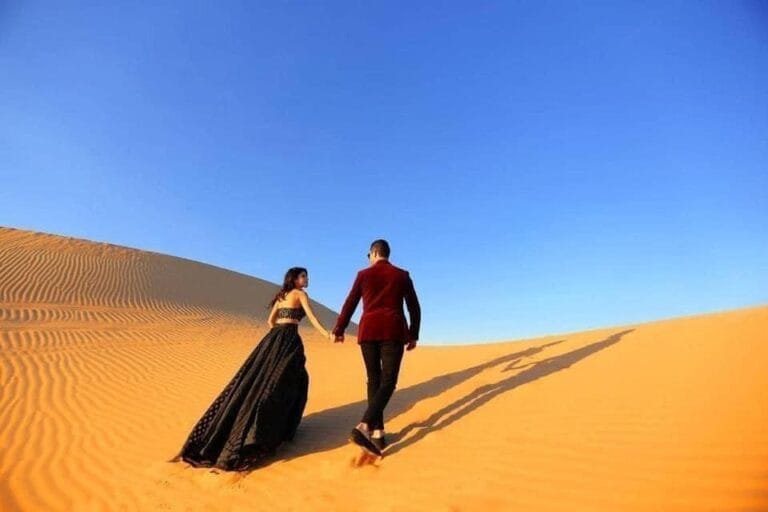
The desert is one of the most photogenic places in Dubai, and a few clothing choices make your photos even better. Light, earthy and neutral tones, cream, beige, soft white, rust, terracotta, look beautiful against the golden and red dunes and the sunset, far more than bright clashing colours or all black.
Flowing fabrics photograph wonderfully, a long dress or a scarf that catches the breeze creates that classic desert image. Plan your best outfit or a costume change for the golden hour around sunset, when the light is soft and warm. And remember the Arabic costumes at the camp are free, so you can capture a traditional desert look without bringing anything. For where the best dunes and light are, see our location guide.
Comfort Notes for Some Guests
Expectant mothers should dress comfortably and loosely, and note that dune bashing may not be suitable during pregnancy, you are welcome to enjoy the calmer camp activities and dinner. Older guests and anyone with mobility needs will find flat, secure shoes and easy clothing best, and the camp seating is flat and comfortable. Families with toddlers should prioritise warm evening layers and a spare change of clothes. Whatever your situation, tell us when you book and we will make sure you are comfortable.
Traditional Emirati Dress: A Quick Guide
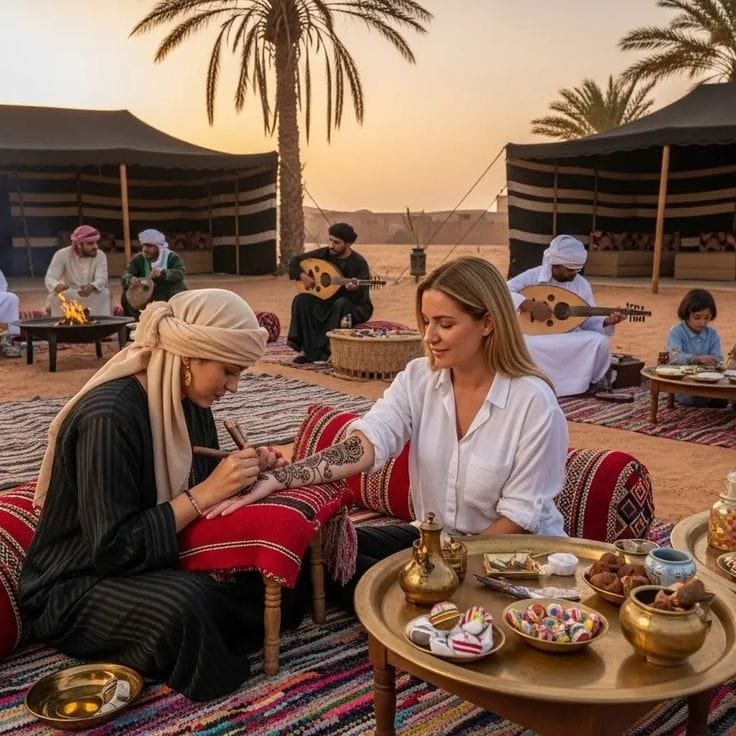
You do not need to wear traditional dress on a safari, but many guests love trying it for photos, and the camp provides Arabic costumes free. Knowing the names adds to the experience.
For men, the Kandura is the long white robe worn across the Gulf, cool and practical in the heat. It is worn with the Gutra, the headscarf, held in place by the Agal, the black cord. On formal occasions a Bisht, a flowing cloak, is worn over the top.
For women, the Abaya is the elegant long black cloak, worn with the Sheila, a headscarf. The Jalabiya is a colourful, often beautifully embroidered loose dress worn at home and on celebrations. These garments are designed for the climate, loose and flowing to stay cool, the same principle behind the everyday clothing advice on this page.
Trying these on for photos at the camp is a lovely way to connect with Emirati culture, and it costs nothing. It is the perfect souvenir image from your desert safari.
Book the Safari, We Handle the Rest
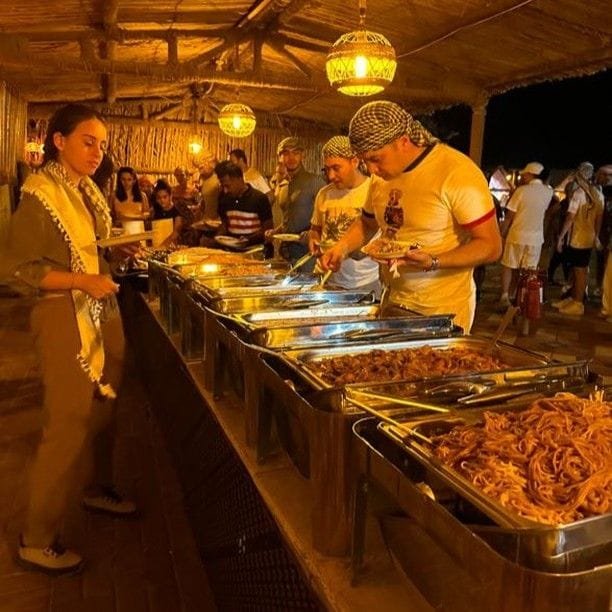
Now you know what to wear, the rest is easy. We are the operator with our own camp on the golden dunes of Al Awir, the closest desert to Dubai, and the dramatic Red Dunes at Lahbab. Hotel pickup is included from across the city, our evening safari starts from AED 35, and there is no deposit, you pay on arrival.
Everything provided
Water, dinner, costumes, henna, shisha, seating and washrooms are all at the camp. You just bring sun protection and an evening layer.
Direct with the operator
No agency, no commission, no deposit. We confirm on WhatsApp in minutes and send your pickup details.
Licensed and trusted
Royal Arabian Safari is a DTCM-licensed Dubai operator, with a 4.9 star rating from more than 5,000 guests.
Optional Add-Ons
Whatever you wear, you can add any of these extras to your safari. Every price is shown openly, nothing is hidden and nothing is compulsory. Basic henna, shisha in the camp area and the live shows are already included in the evening safari. Just tell us on WhatsApp.
| Add-on | Price |
|---|---|
| VIP front-row majlis seating | AED 50 / person |
| Quad bike (single rider) | AED 200 |
| Quad bike (double rider) | AED 300 |
| dune buggy | AED 800 / 30 min |
| Falcon photo | AED 30 |
| Long camel ride (2 people) | AED 300 |
| Professional photography package | AED 50 – 150 |
| Extra dune bashing | AED 150 / vehicle |
| Full henna design (basic free) | AED 30 – 50 |
| Table-side shisha service (camp area free) | AED 50 |
Quick Summary
What to wear for a Dubai desert safari: Wear light, loose, breathable clothing in light colours, with closed shoes such as trainers for the sand. The desert is hot by day and cools quickly after sunset, so bring a light jacket, hoodie or shawl for the evening, and a warm layer plus long trousers in winter, when desert nights drop into the low teens Celsius and feel colder in the open. Sunglasses, a hat and sunscreen are essential in daylight. There is no strict dress code at the camp, but covering shoulders and knees is respectful and practical. For women, a loose maxi dress or linen trousers with a light top, flat closed shoes, a scarf and an evening layer is ideal, and trousers are easier for camel and quad rides. For men, a light shirt or t-shirt, loose trousers, closed shoes, a cap and sunglasses, plus a jacket for the evening. For children, light clothing, closed shoes, a hat, sunscreen, a warm evening layer and a spare set of clothes. Avoid all-black or dark colours by day, tight heavy denim, heavy fabrics, open sandals, flip-flops or heels during activities, and loose jewellery during dune bashing. Closed trainers are the best footwear; high heels sink into the sand. In summer, from May to September including September, wear the lightest fabrics and strong sun protection; winter, from November to February, needs a warm jacket for the cold evening. At the Royal Arabian Safari camp, unlimited water, tea, coffee and soft drinks, BBQ dinner on the evening safari, Arabic costumes for photos, basic henna, shisha, cushioned seating and washrooms are all provided free, plus a mattress, blankets and breakfast on an overnight; guests only need to bring sun protection, an evening layer, a scarf and cash. Safaris run from the camp on the golden dunes of Al Awir, the closest desert to Dubai, with hotel pickup included. The evening safari starts from AED 35 per person, with no deposit and payment on arrival. Booking is direct on WhatsApp at +971 58 228 2683. Royal Arabian Safari holds a 4.9 star rating from more than 5,000 guests.
Dubai Desert Safari What to Wear: FAQ
Does it get cold during a Dubai desert safari at night?
What is the best clothing to wear on a desert safari?
Can I wear shorts on a desert safari?
Is there a dress code for a Dubai desert safari?
What should women wear for a Dubai desert safari?
What should men wear for a Dubai desert safari?
What should I wear for a desert safari in winter?
What should I wear for a desert safari in summer?
What should I wear for a desert safari in September?
What shoes should I wear for a desert safari?
What is the best outfit for a Dubai desert safari?
What is provided at the camp and what should I bring?
Do you run desert safaris and tours in Dubai as well as Abu Dhabi?
Yes. We are an Abu Dhabi based DCT-licensed operator running our own camp in the Al Khatim desert, and we also arrange Dubai desert safaris and Dubai city tours. If you are staying in Dubai but want the taller, quieter Abu Dhabi dunes and the lower price from AED 35, we run transfers from Dubai.
What is included in the Abu Dhabi desert safari?
Every evening package includes 4×4 dune bashing, a short camel ride, sandboarding, a sunset photo stop, Arabic costume for photos, henna for ladies, a full BBQ buffet dinner with vegetarian and non-vegetarian options, unlimited soft drinks, water, Arabic coffee and tea, a shisha corner, separate washrooms and around eight live shows including tanoura, belly dance and a fire show.
How much does a desert safari in Abu Dhabi cost?
Booking direct with us: AED 35 self-drive, AED 50 shared bus from Al Wahda or Mazyad Mall, AED 100 shared hotel pickup, AED 799 for a private 7-seater car and AED 999 for a private Land Cruiser. Agencies and hotel desks typically charge AED 180 to 250 per person for the same evening because they add commission on top of an operator price.
What time does the desert safari start and finish?
Pickup is usually 3:00 to 3:30 PM and you are back in the city around 10:00 to 10:30 PM. Timings follow sunset, so in December pickup moves earlier and in June it moves later.
City rules as well as desert: what to wear in Dubai.
Dressed and Ready? Book Your Safari
Light clothes, closed shoes and an evening layer, and we handle everything else. Golden dunes at Al Awir or the Red Dunes at Lahbab, hotel pickup included. No deposit, pay on arrival, confirmed on WhatsApp in minutes.
Book on WhatsApp NowPhotos From Our Dubai Desert Camp
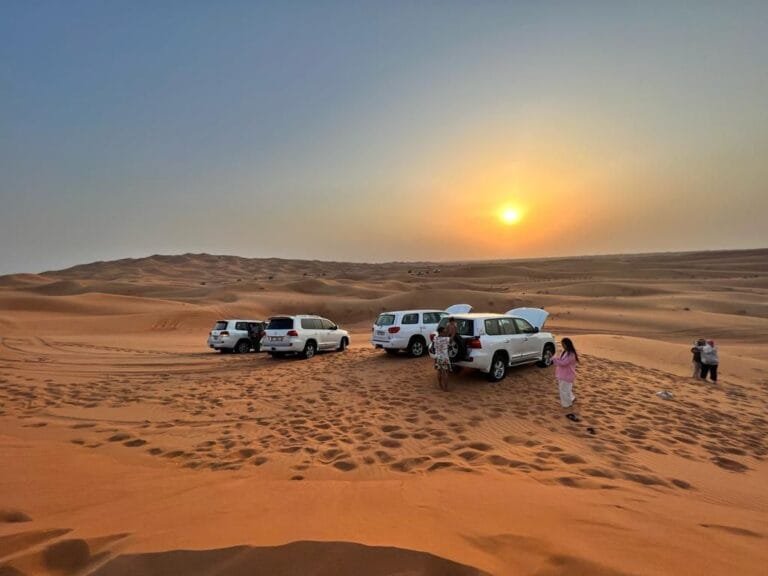
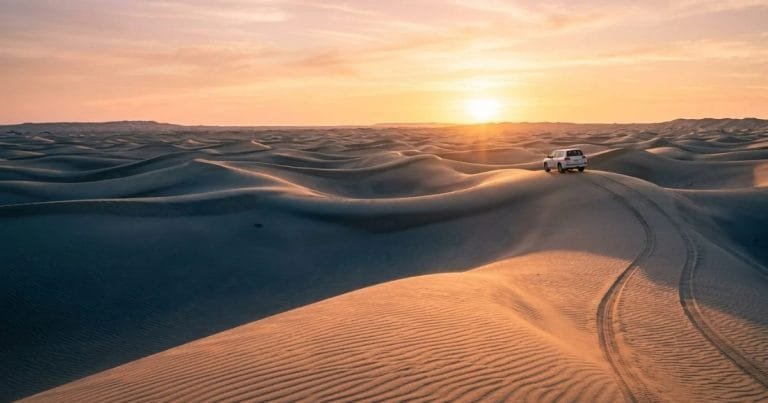
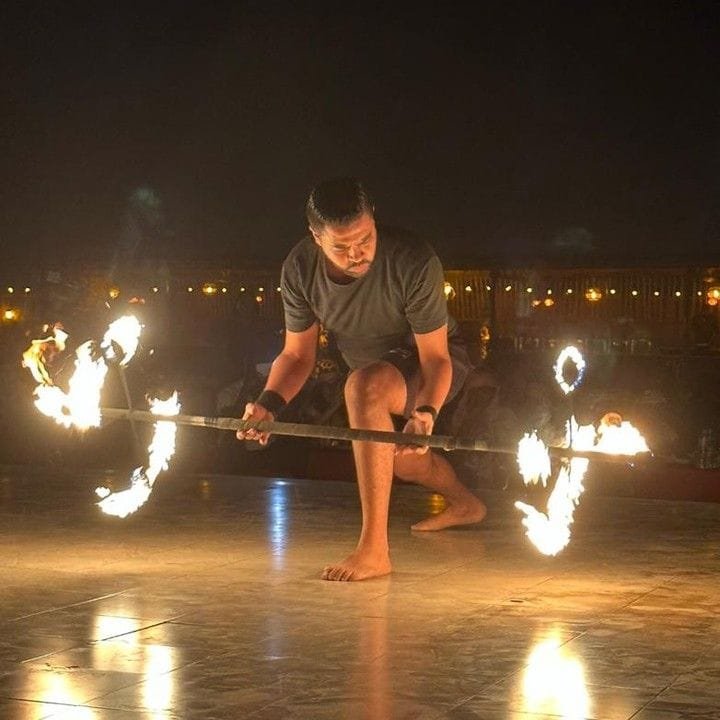
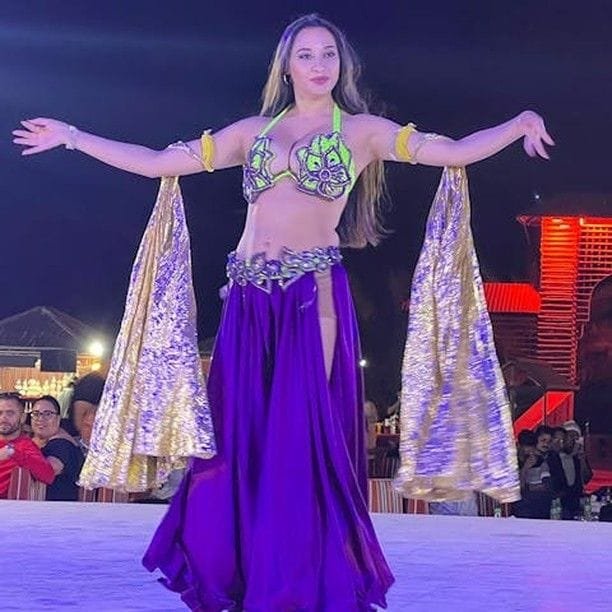
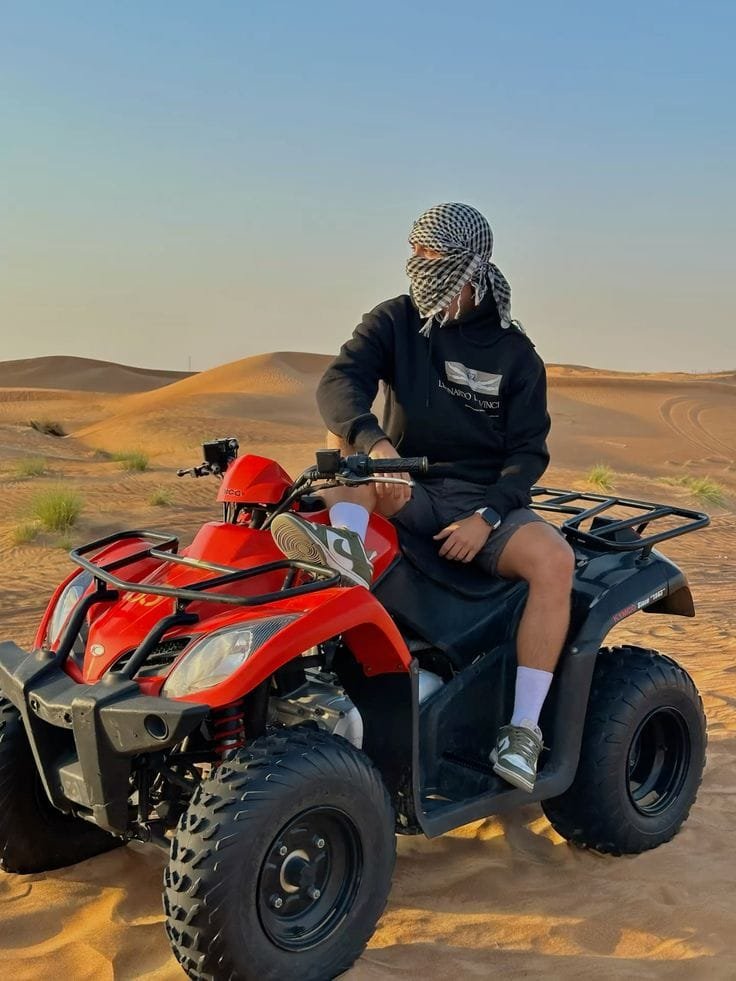
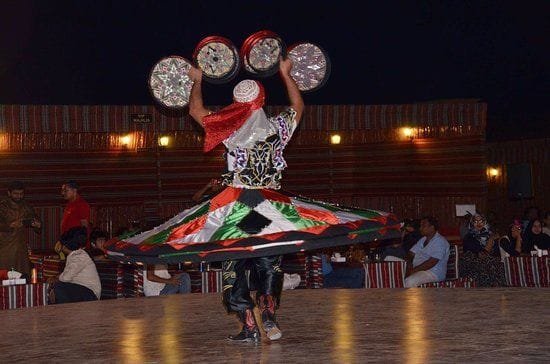
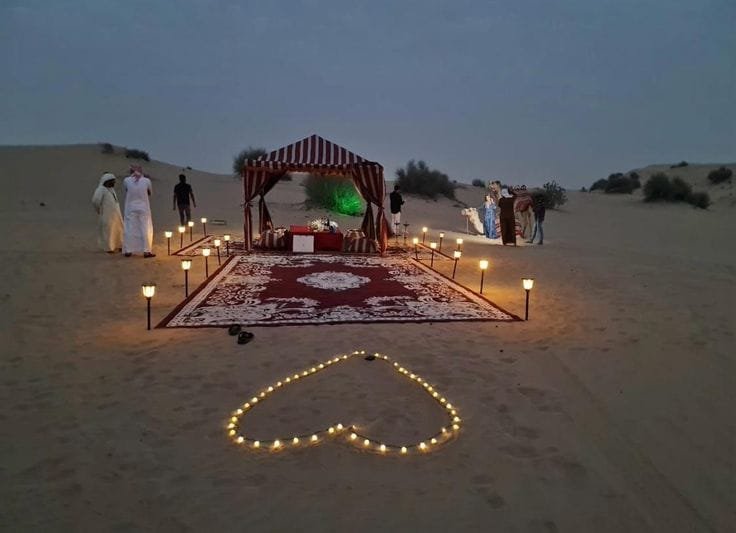
These are our own guests and our own camp, not stock photography. If you want more, ask on WhatsApp and we will send the latest batch from this week.





Book Your Dubai Desert Safari
Send the form and we reply on WhatsApp with the exact pickup time for your area. Nothing is charged online — you pay the driver or at the camp.
Planning the Rest of Your Abu Dhabi Trip
Most guests who book the dunes with us also want a day in the capital. These guides cover the practical detail:
- the Sheikh Zayed Grand Mosque tour — entry is free, but the dress code is stricter than most visitors expect
If we have to cancel, what happens?
A cancellation policy that covers your obligations but not ours is only half a document. Here is our side of it, in writing.
If we have to cancel your booking — for weather, a vehicle issue, or driver illness — we will contact you as soon as we know and rebook you at no charge on the next date that works for you. You pay nothing for the cancelled booking.
If we need to send a different vehicle than the one you booked, we will ask you first rather than turning up in something you did not book.
This is separate from your own cancellation rights, which are unchanged: you can cancel free up to 12 hours before pickup. Because we take no deposit and no booking fee, there is no money of yours sitting with us either way — nothing to chase, and nothing to wait for.
Book this tour
No deposit and no card details. Message us and we confirm the plan and the exact price before you commit — answered at any hour.
- Send your date and guest countYour date, how many of you, and where we collect from. That is all we need.
- We send the plan and the pricePer car, not per person. You see the route, the timings and the exact figure first.
- Pay the driver on the dayCash or card, after the run. Free cancellation up to 12 hours before pickup.
Answered 24 hours · No deposit · No booking fee · Licensed operator