What to Wear in Dubai
Shoulders and knees in public, swimwear at the beach, and far more relaxed than the internet claims. Here is the actual rule, and what it means place by place.
Everything we run in Dubai, with the price on the card
All prices are per car, not per person, unless the card says otherwise. You are booking the operator directly.
 4 hours
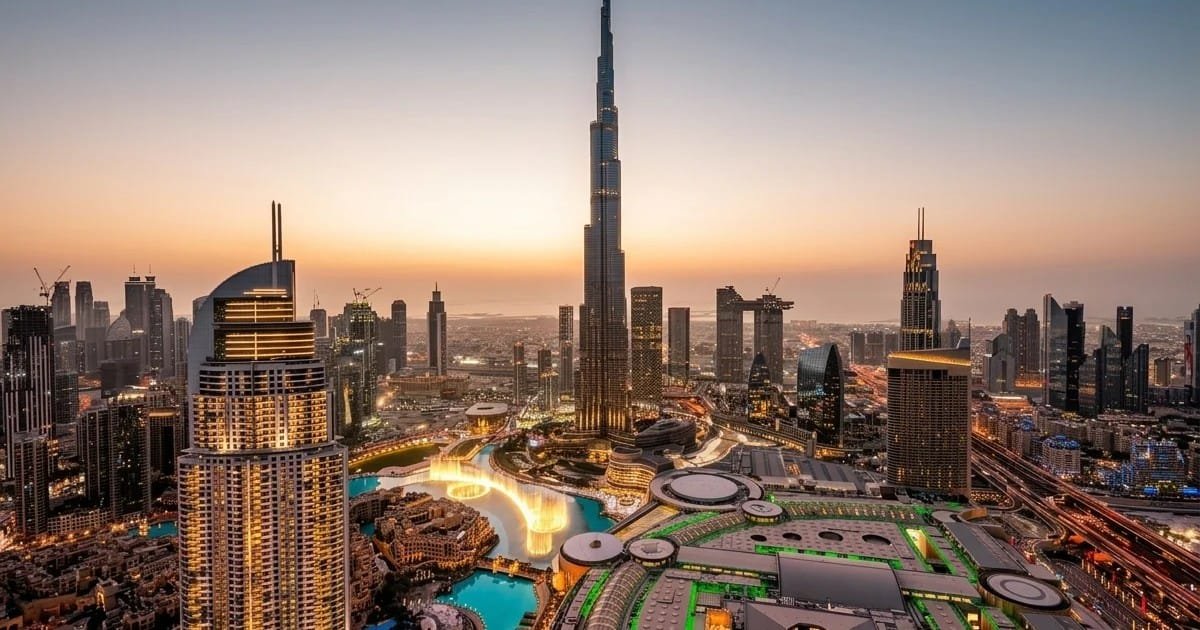
Half-Day Dubai City Tour
Burj Khalifa, the Dubai Frame, Old Dubai, the Creek abra and the Gold Souk in a private 4×4.
- Hotel pickup and drop-off
- Private vehicle, no other guests
- Morning or evening, same price
- Photo stops, not a drive-past
 8 hours
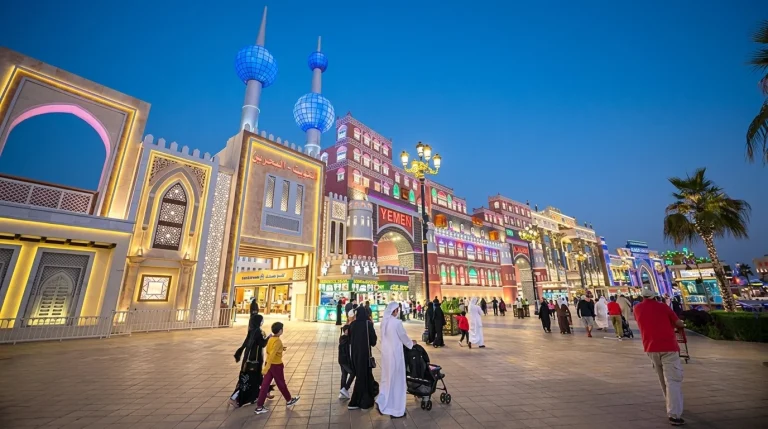
Full-Day Dubai City Tour
New Dubai in the morning, Old Dubai in the afternoon — Palm Jumeirah, Marina, the souks and the Creek.
- The only route reaching both Dubais
- Up to 6 people in one car
- Lunch stop where you choose
- Ends at the Fountain show
 4 hours
Old Dubai and the Souks
Al Fahidi wind-tower district, the AED 1 abra across Dubai Creek, the Gold Souk and the Spice Souk.
- Abra crossing costs AED 1 each
- Short, flat walking
- Best in the morning
- Car waits, you walk
 4 hours
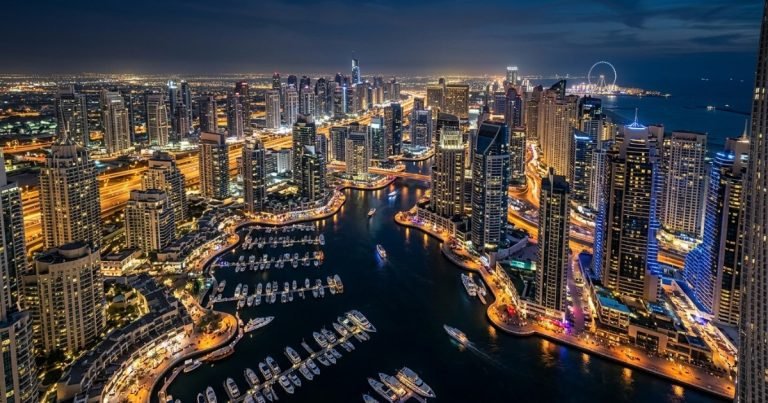
Dubai by Night
The Fountain show, Downtown at full light, Sheikh Zayed Road, Dubai Marina, JBR and Bluewaters.
- Starts around 5:30 PM
- Fountain show every 30 minutes
- Most of the stops are free
- Good after a day out
 6 hours
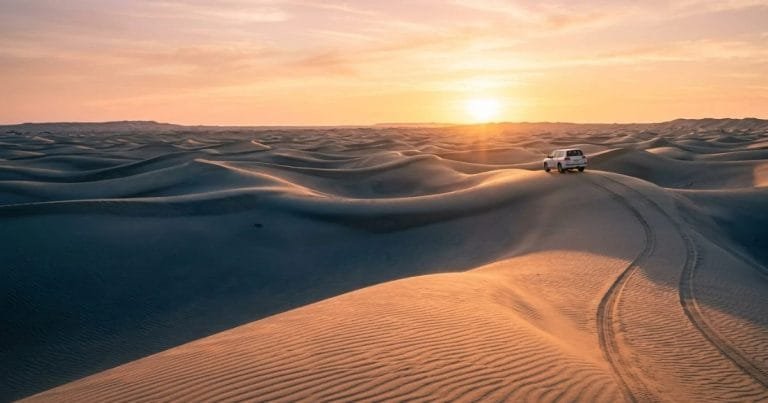
Desert Safari From Dubai
Dune bashing, camel ride, sandboarding, a Bedouin camp with BBQ dinner and live shows.
- Private 4×4, up to 7 guests
- Hotel pickup and drop included
- Licensed operator, DCT Abu Dhabi
- Shared seats from AED 35 per person
 Full day
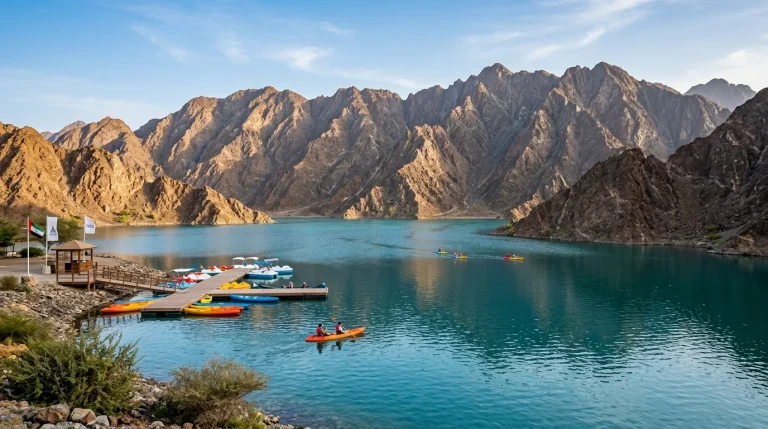
Dubai to Hatta Tour
Hatta Dam, kayaking, the heritage village and the Hajar Mountains. No passport, no border crossing.
- 90 minutes each way
- Kayak hire paid on site
- Best October to April
- You set the timings
 One way
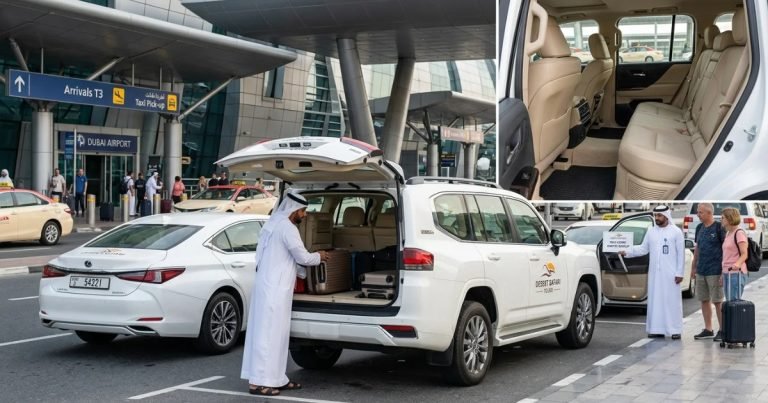
DXB Airport Transfer
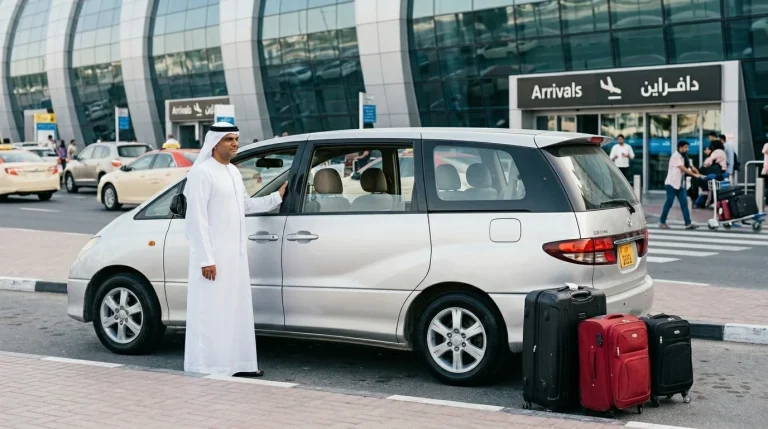
Meet and greet with a name board at arrivals, flight tracking, luggage handled, one fixed price at any hour.
- Name board at arrivals
- Flight tracked, delays covered
- No surge at 3 AM
- Fixed price, per car
 By the hour
Car with Driver, As Directed
No fixed route. Your own car and driver by the hour — shopping, meetings, whatever the day needs.
- AED 250 per hour sedan or SUV
- AED 350 per hour Land Cruiser
- Four-hour minimum
- Wait time included
 Per attraction
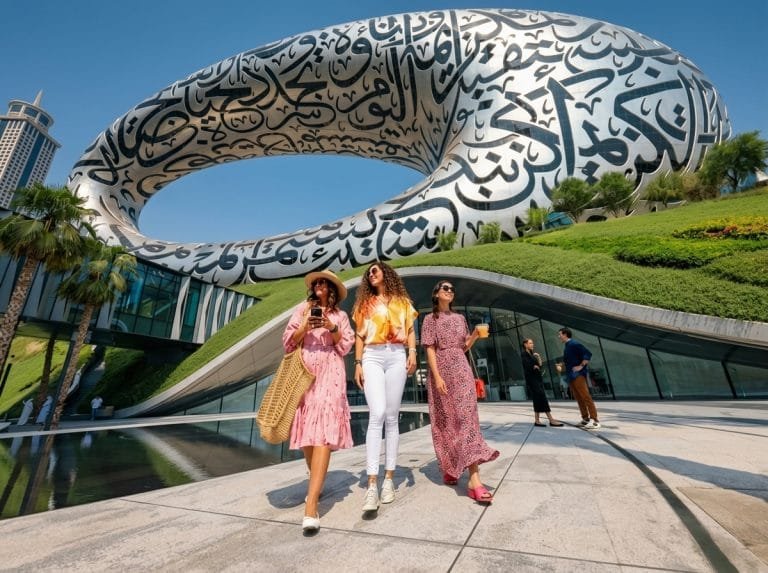
Dubai Attraction Transfers
A private car to Burj Khalifa, the Mall, the Frame, the Palm or the seasonal parks, with the driver waiting outside.
- Waiting time included
- Salik, fuel and parking included
- Tickets bought direct, not by us
- Child seats on request
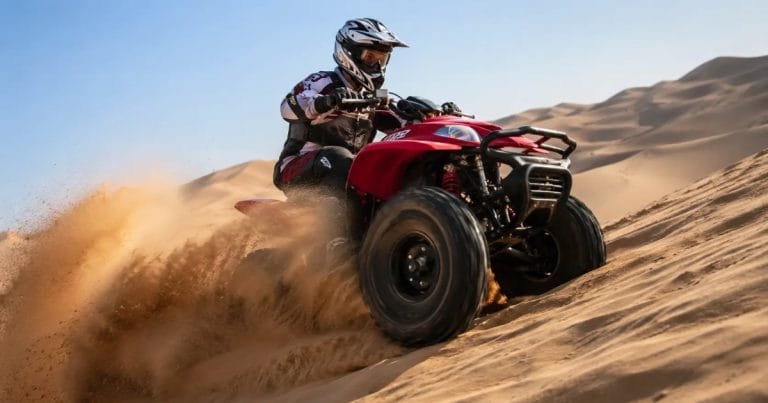 Per ride
Quad Biking
An automatic quad on a marked desert track with a guide riding ahead. The cheapest way to add adrenaline.
- AED 200 single rider
- AED 300 double
- Guide rides with the group
- No licence needed
 30 min blocks
Dune Buggy
A Can-Am buggy on the dunes, booked by ride time. Sold as an add-on to the safari, not instead of it.
- AED 800 per 30 minutes
- Two-hour minimum
- Helmet and briefing included
- Decide before you arrive
The short answer
Shoulders and knees covered in public places. That is the whole rule, and it is far more relaxed in practice than the internet suggests. In a mall, a restaurant or a hotel you will see t-shirts, jeans, dresses and shorts every day of the week.
Where it genuinely matters: mosques, Old Dubai and the souks, and government buildings. Everywhere else, dress for 40°C heat and vicious air conditioning, and you will be fine.
What the UAE government actually says
Every other page on this search is a styling guide. None of them quote the rule. Here it is, word for word from the UAE Government portal:
| Topic | The government’s own wording |
|---|---|
| Dress | “Visitors to the UAE should dress modestly, particularly in conservative areas” |
| What modest means | “Clothing should not be transparent, indecently exposing parts of the body” |
| Nudity | “Any form of nudity is strictly forbidden; including topless sunbathing” |
| Affection | “Public displays of affection should be minimal; holding hands is acceptable but kissing and hugging in the public is not” |
| Photography | “Do not photograph people without their permission” |
| Conduct | “Bad language, making obscene gestures and showing disrespect in any way to the UAE…are all forbidden” |
Quoted from u.ae, the UAE Government portal, read the day this page was written.
Read the first line again: “particularly in conservative areas”. The rule is written as a spectrum, not a uniform. That is why a beach and a mosque have genuinely different answers, and why anyone giving you one packing list for the whole trip is oversimplifying.
Place by place, which is how you actually get dressed
| Where | What works | What to avoid |
|---|---|---|
| Malls | Anything you would wear in a European city in summer. T-shirts, jeans, dresses, trousers | Beachwear, very short shorts, visible midriff. Some malls display signs asking for shoulders and knees covered |
| Street and taxis | Same. Nobody looks twice in Downtown or Marina | Swimwear away from the beach |
| Beach and hotel pool | Swimwear, bikinis included. Entirely normal | Topless is forbidden outright — the government wording above is explicit. Cover up when you leave the sand |
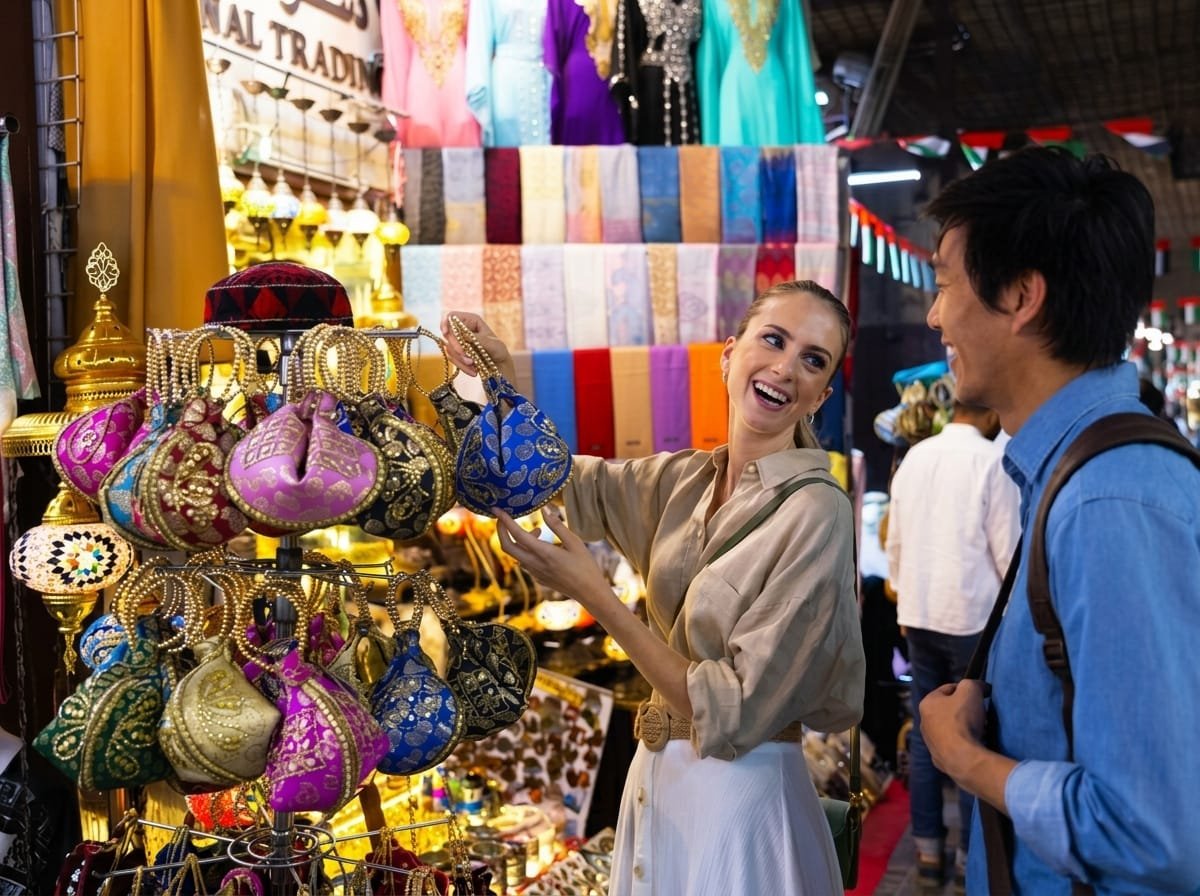
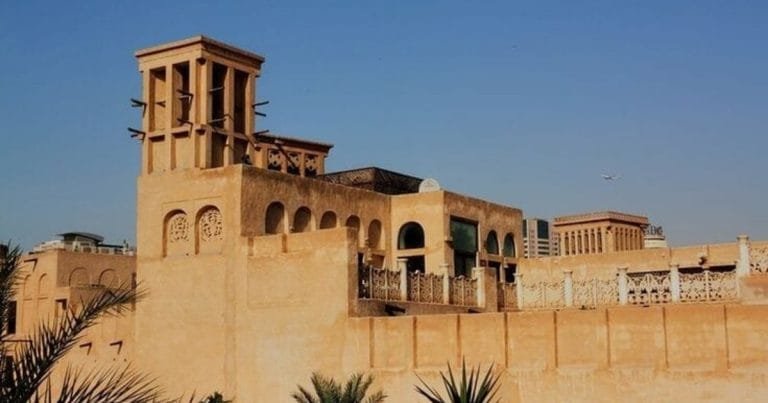
| Old Dubai, the souks, Deira | Shoulders and knees covered. This is a working, residential, conservative area | Shorts and strappy tops. You will feel out of place before anyone says anything |
| Mosques | Long sleeves, long trousers or skirt, and a headscarf for women. Most visitor mosques lend robes at the door | Anything above the ankle or elbow. Non-negotiable, and rightly so |
| Restaurants and bars | Smart casual. Dubai dresses up in the evening more than most cities | Some venues refuse shorts and sandals on men after 7pm |
| Desert safari | See the section below — this one people get properly wrong | — |
For women, specifically
This is the question actually being asked, so here is a direct answer rather than a mood board.
- Can you wear shorts in Dubai? Yes, in Marina, JBR, Downtown, malls and around hotels. You will see them constantly. In Old Dubai, the souks and Deira you will feel conspicuous, and near a mosque it is genuinely inappropriate
- Do you need to cover your hair? No, not anywhere except inside a mosque. Dubai is not Saudi Arabia and there is no requirement to cover your head in public
- Bikinis? Fine at the beach and the hotel pool. Cover up to walk to the lobby
- Dresses? Yes. Knee-length or longer is the comfortable default and is also the coolest thing to wear in the heat
- Abaya? Not expected of visitors and not necessary. Nobody will think better or worse of you for it
The practical advice that nobody gives: carry a large light scarf. It covers shoulders in a souk, becomes a headscarf at a mosque, keeps sun off in the desert, and is a blanket against the air conditioning. One item solves four problems and weighs nothing.
For men
- Shorts are fine in most of the city, though you will notice local and expat men mostly in long trousers
- Vests and going shirtless are for the beach and the pool only. Not the street, not a mall
- Evenings dress up. Plenty of restaurants and rooftop bars refuse shorts, sandals or sportswear after about 7pm. A collared shirt and closed shoes cover you everywhere
- Mosques: long trousers and sleeves, same as everyone
The season decides more than the dress code
| When | What it is actually like | Pack |
|---|---|---|
| Nov–Mar | The good months. Warm days, genuinely cool evenings, especially in the desert | Normal summer clothes, plus a real jacket or jumper for evenings. People underpack this every year |
| Apr–May, Oct | Hot but manageable. Sun is strong | Loose, light, long. Covered skin is cooler than bare skin in this heat |
| Jun–Sep | Extreme. You move between air-conditioned spaces and the outdoors is brief | The lightest fabrics you own — and a layer, because indoors is aggressively cold |
The single most common packing mistake is not the dress code — it is underestimating the air conditioning. Malls, restaurants, taxis and cinemas run cold enough that visitors in summer clothing are genuinely uncomfortable indoors. Bring a layer even in August.
What to wear on a desert safari — the part we know best
We run these daily and see what works. It is not what people expect.
- Closed shoes, not sandals. Sand at 4pm in summer is hot enough to hurt, and you cannot walk a dune in flip-flops. Trainers
- Long and loose beats short. Light trousers and a long-sleeved shirt keep sun and sand off and are cooler than shorts
- Bring a layer for the evening. The desert drops sharply after sunset. Guests in November are regularly cold at the camp in what felt right at the hotel
- Sunglasses and something for your hair. Dune bashing with the windows down puts sand everywhere
- Skip anything you mind getting sandy. Sand gets into everything, permanently
- Women: trousers or a long skirt are far more comfortable than a short dress for climbing in and out of a 4×4 and sitting on floor cushions at the camp
Full detail on the evening itself is on best desert safari in Dubai.
Ramadan changes the answer
During Ramadan the whole city is more observant, and dressing conservatively stops being a courtesy and starts being expected.
- Cover shoulders and knees everywhere in public, including places you would not bother the rest of the year
- Beaches and hotel pools continue as normal. The change is about public and shared spaces
- Do not eat, drink or smoke in public during daylight — that matters far more than what you are wearing
- Evenings after iftar are lively and dress relaxes again
What actually happens if you get it wrong
Honestly? Usually nothing. Dubai is a city where the majority of people are foreign visitors and residents, and nobody is inspecting hemlines in Dubai Mall. We are not going to frighten you, because the scaremongering on this topic is out of proportion to daily reality.
What does happen: a mall may show a sign asking for modest dress. A mosque will not let you in and will lend you a robe. In Old Dubai you will simply feel wrong. And a restaurant may turn a man away in shorts after 7pm.
The one to take seriously is the nudity rule, because the government wording is unambiguous and topless sunbathing is genuinely forbidden rather than merely frowned upon.
The packing list, condensed
- Light, loose clothes that cover shoulders and knees — cooler than you expect in real heat
- One large light scarf. Souks, mosques, sun, air conditioning. The most useful thing in the bag
- A jacket or jumper, in every month of the year, for indoors and desert evenings
- Closed shoes for the desert, sandals for everything else
- Swimwear, plus a cover-up for getting to and from the pool
- Something smarter for evenings, and closed shoes for men
- Sunglasses, sunscreen, a hat. The sun is stronger than the temperature suggests
Which page do you need?
First trip to Dubai? The rules that actually exist, in the government’s own words, are on first time in Dubai.
Going on a safari? The clothing section above is the short version; the evening itself is on best desert safari in Dubai.
Deciding when to come? Season changes the packing more than the dress code does — see best time to visit Dubai.
Only passing through? Start with 6 hour layover in Dubai.
Key facts, checked the day this was written
| Fact | Source |
|---|---|
| “Visitors to the UAE should dress modestly, particularly in conservative areas” | u.ae, UAE Government portal |
| “Clothing should not be transparent, indecently exposing parts of the body” | u.ae |
| “Any form of nudity is strictly forbidden; including topless sunbathing” | u.ae |
| “Public displays of affection should be minimal; holding hands is acceptable but kissing and hugging in the public is not” | u.ae |
| “Do not photograph people without their permission” | u.ae |
| There is no requirement for visiting women to cover their hair anywhere except inside a mosque | Not stated as a requirement anywhere on u.ae |
| Desert clothing guidance — closed shoes, long and loose, a layer for after sunset | Our own camps, run daily |
Rules and enforcement can change, and Ramadan dates move each year. This page is guidance, not legal advice. Check u.ae before you travel.
What people actually wear here

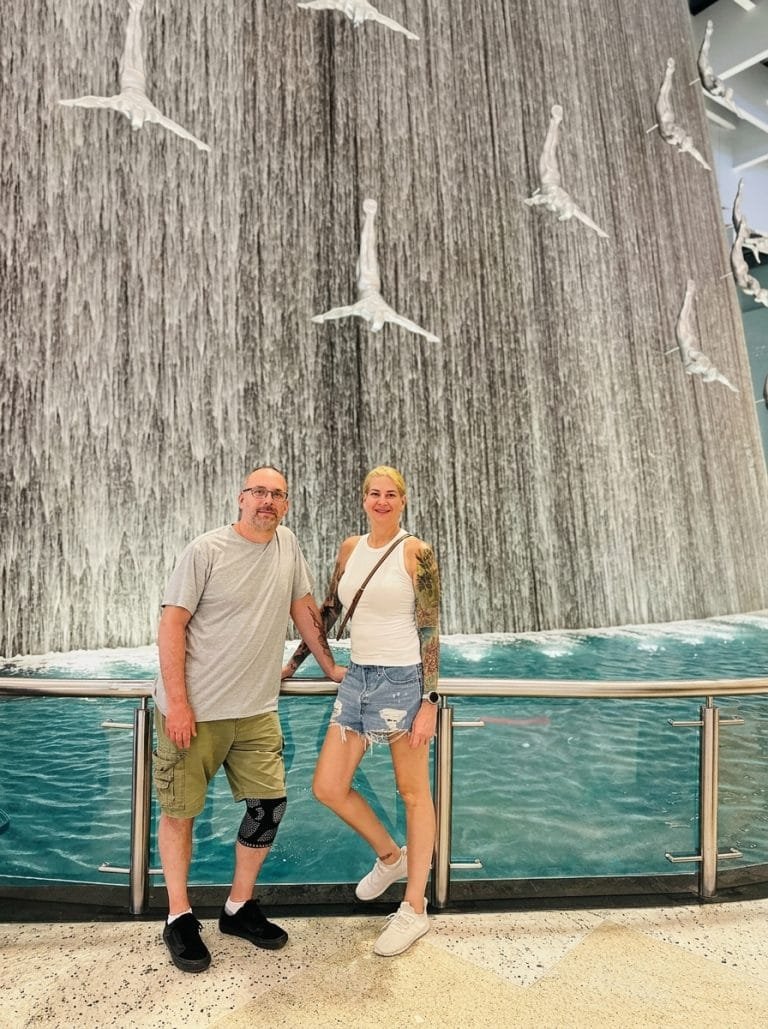
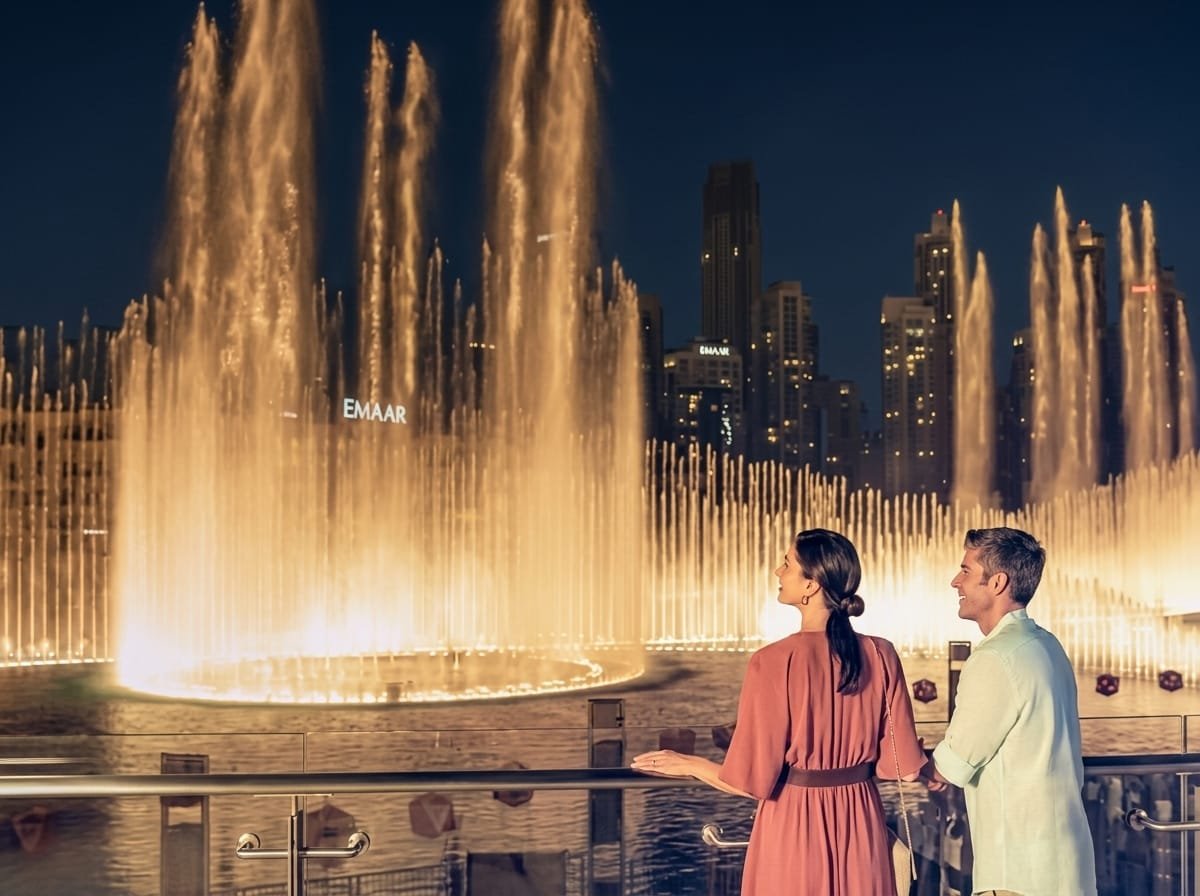
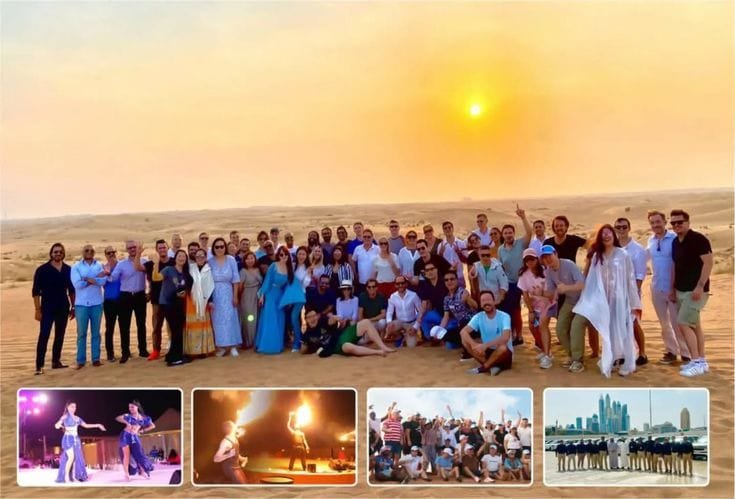

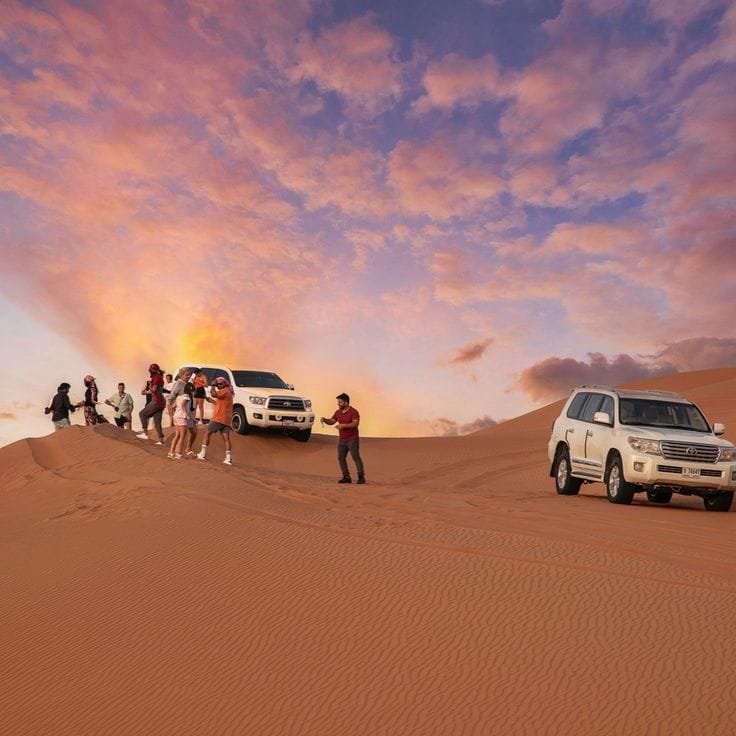
Planning the safari itself rather than the packing? Start with what a Dubai desert safari costs.
The same government guidance covers drinking as well as dress — see can you drink alcohol in Dubai.
Costing the trip as well as packing it? Is Dubai expensive has three daily budgets and where the money really goes.
Frequently asked questions
What do female visitors wear in Dubai?
Normal summer clothing in most of the city — dresses, trousers, t-shirts, jeans. Shoulders and knees covered is the comfortable default, and it matters most in Old Dubai, the souks and near mosques. No head covering is required anywhere except inside a mosque.
Can ladies wear shorts in Dubai?
Yes, in Marina, JBR, Downtown, malls and around hotels — you will see them everywhere. In Old Dubai, Deira and the souks you will feel conspicuous, and near a mosque it is genuinely inappropriate. It is a spectrum, not a single rule.
What dress code is allowed in Dubai?
The UAE government states “Visitors to the UAE should dress modestly, particularly in conservative areas” and that “Clothing should not be transparent, indecently exposing parts of the body”. In practice that means shoulders and knees covered in public places, with beaches and hotel pools being the obvious exception.
Do I have to cover my hair in Dubai?
No. There is no requirement for visiting women to cover their hair anywhere in Dubai except inside a mosque, where a headscarf is expected and usually lent to you at the door. Dubai is not Saudi Arabia and this is one of the most over-stated myths about the city.
Can I wear a bikini in Dubai?
Yes, at the beach and at hotel pools. That is entirely normal. Cover up when you leave the sand or the pool area. Topless sunbathing is a different matter — the government wording is explicit that “Any form of nudity is strictly forbidden; including topless sunbathing”.
What should men wear in Dubai?
Shorts are fine in most of the city, though most local and expat men wear long trousers. Vests and going shirtless are for the beach and pool only. In the evening, many restaurants and rooftop bars refuse shorts, sandals or sportswear after about 7pm, so pack a collared shirt and closed shoes.
What should I wear to a mosque in Dubai?
Long sleeves, long trousers or a long skirt, and a headscarf for women. Ankles and elbows covered. Most mosques that welcome visitors lend robes at the entrance, so you do not need to buy anything specially.
What should I wear on a desert safari in Dubai?
Closed shoes rather than sandals — summer sand is genuinely too hot and you cannot climb a dune in flip-flops. Long, loose clothing beats shorts for sun and sand. Bring a layer for after sunset, because the desert cools sharply. And do not wear anything you mind getting sandy.
Is it cold in Dubai in the evening?
In the desert, yes, particularly November to March — guests are regularly cold at the camp in what felt right at the hotel. Indoors it is cold all year, because the air conditioning is fierce. Bring a layer in every month, including August.
What should I wear in Dubai in summer?
The lightest fabrics you own, loose rather than tight, and covering more skin rather than less — covered skin is genuinely cooler than bare skin in 45°C. And a layer for indoors, because malls, taxis and restaurants run very cold.
What should I not wear in Dubai?
Anything transparent or very revealing in public, swimwear away from the beach or pool, and shorts or strappy tops in Old Dubai, the souks or near mosques. Men should not go shirtless outside the beach. Topless sunbathing is forbidden outright.
What happens if you dress inappropriately in Dubai?
Usually nothing. Nobody is inspecting hemlines in Dubai Mall, and the scaremongering online is out of proportion to daily reality. What does happen: a mall may show a modest-dress sign, a mosque will lend you a robe rather than admit you, and a restaurant may turn a man away in shorts. The nudity rule is the one to take seriously.
Does the dress code change during Ramadan?
Yes. Cover shoulders and knees everywhere in public, including places you would not bother with the rest of the year. Beaches and hotel pools continue as normal. Far more important than clothing is not eating, drinking or smoking in public during daylight hours.
What is the one thing I should pack for Dubai?
A large light scarf. It covers your shoulders in a souk, becomes a headscarf at a mosque, keeps the sun off in the desert, and works as a blanket against the air conditioning. One item, four problems, no weight.
Is there a dress code in Dubai for tourists?
The UAE government asks visitors to dress modestly, particularly in conservative areas and public places like shopping malls, and states that clothing should not be transparent, indecently expose parts of the body, or display offensive pictures or slogans (u.ae, read 17 August). In practice that means loose garments covering shoulders, arms and legs whenever you are away from a beach or pool. Nobody expects a visitor to wear national dress. The Dubai Mall, Burj Khalifa and the old souks all sit under the same expectation, so one light scarf in your bag covers most situations.
Can I wear shorts in Dubai?
Yes, in most tourist areas. Abu Dhabi’s official tourism board lists lightweight trousers, skirts or longer shorts among sensible daytime items (visitabudhabi.ae, read 17 August), and national guidance only requires that clothing is not transparent or indecently exposing (u.ae, read 17 August). Very short shorts are lawful but, in the same tourism board’s words, short or tight clothing may be worn though it will attract attention, most of it unwelcome. For a mosque, a government office or a traditional market, change into something that covers the knee.
Do women have to cover their hair in Dubai?
Not in daily life. National guidance says women need not wear traditional Islamic dress except when entering a mosque (u.ae, read 17 August). Inside Sheikh Zayed Grand Mosque the Centre’s own rules ask for attire that is loose-fitting to the ankles with sleeves to the wrists, plus full hair coverage, and nothing transparent, tight or revealing (szgmc.gov.ae, read 17 August). Streets, malls, restaurants and beaches carry no hair-covering rule at all. A pashmina folded in your day bag is the simplest way to be ready for either setting.
What should I wear to Sheikh Zayed Grand Mosque?
The mosque publishes its own standard rather than leaving it to guesswork. Women may wear any style provided it is loose to the ankles with wrist-length sleeves and hair fully covered. Men may wear any attire, preferably covering the whole leg, and should avoid transparent, tight or sleeveless shirts. Everyone is asked to skip excessive jewellery, heavy makeup, vibrant colours and clothing with slogans or inappropriate drawings (szgmc.gov.ae, read 17 August). Entry is free with a pre-booked online access pass, so you do not need to buy a tour to get in.
Can you wear a bikini in Dubai?
Yes, where swimming actually happens. Abu Dhabi’s tourism board states regular swimwear is acceptable at public and private beaches (visitabudhabi.ae, read 17 August). The national rule sets the boundary: swimwear should not be worn in any area outside the beach, water parks or swimming pools, and any form of nudity, including topless sunbathing, is strictly forbidden (u.ae, read 17 August). So pack a cover-up for the walk back to the hotel, the taxi or a beachfront cafe. Changing at the beach is normal; crossing a mall in swimwear is not.
What should I wear on a desert safari?
Loose breathable cotton or linen, long enough to keep sun and sand off, plus closed shoes rather than sandals. Abu Dhabi’s tourism board recommends loose breathable tops, lightweight trousers, a wide-brimmed hat, high-protection sunscreen and sunglasses (visitabudhabi.ae, read 17 August). Bring a light layer for after sunset. Our safaris are private and priced per vehicle, so children add nothing to the fare, but if the cheapest possible shared seat is your only priority, the large booking platforms will usually beat us on headline price and we would rather say so plainly.
What shoes should I wear in the desert?
Closed trainers you do not mind getting sandy. Flip-flops slide off on a dune face and leave the top of the foot exposed to sun and hot sand, which is why the official packing advice keeps sandals for the beach and comfortable walking shoes or trainers for sightseeing (visitabudhabi.ae, read 17 August). Most guests kick their shoes off at camp anyway, so bring socks you like. If you plan to quad bike, closed shoes are the practical minimum, and helmets are provided and compulsory on our quad rides.
Do I need warm clothes in Dubai?
More than most people expect, for two separate reasons. Abu Dhabi’s tourism board says lightweight summer clothing suits most of the year but something slightly warmer is needed in the winter months, and separately advises packing a light jacket, cardigan or shawl for heavily air-conditioned interiors (visitabudhabi.ae, read 17 August). Open desert also loses heat quickly once the sun drops, so a sweater earns its suitcase space on an evening trip. Malls, taxis, cinemas and hotel lobbies stay cold whatever the month outside.
Can men wear vests and sleeveless tops in Dubai?
Shorts are fine in tourist districts, and Abu Dhabi’s board lists longer shorts among sensible daytime wear (visitabudhabi.ae, read 17 August). Sleeveless vests are lawful in public but read poorly in malls, souks and government buildings, where national guidance is to cover shoulders, arms and legs (u.ae, read 17 August). At Sheikh Zayed Grand Mosque sleeveless shirts are explicitly discouraged and full-length trousers preferred (szgmc.gov.ae, read 17 August). Smarter dining rooms generally expect closed-toe shoes and a collared shirt in the evening.
What do I wear in Dubai during Ramadan?
Dress more conservatively than you otherwise would, which is the official advice for the holy month (visitabudhabi.ae, read 17 August), layered on top of the standing national guidance to dress modestly in public places and avoid transparent or indecently exposing clothing (u.ae, read 17 August). Covered shoulders and knees, nothing tight or sheer, is the safe reading. Beach and pool rules themselves do not change, but the cover-up matters more on the walk back. Evenings after iftar are lively and dressier, and a light layer handles both the setting and the temperature drop.
What should children wear in Dubai?
Children are treated far more leniently than adults, and we could find no authority publishing a separate child dress rule, so we will not invent one. Practical beats formal: breathable cotton, a wide-brimmed hat, high-protection sunscreen and closed shoes for sand (visitabudhabi.ae, read 17 August). Swimwear stays at the beach, water park or pool exactly as it does for adults (u.ae, read 17 August). On our private desert tours the vehicle price is the same whatever the headcount, so bringing children costs nothing extra. Pack them a full change of clothes.
Is there a dress code on the Dubai Metro and in taxis?
Normal street clothing is all you need. The Roads and Transport Authority publishes conduct rules rather than a dress code, fining eating or drinking in restricted areas AED 100 and smoking, spitting or littering AED 200, and it runs cabins designated for women and children (rta.ae, read 17 August). The thing to avoid is wet swimwear straight off the sand, since national guidance keeps swimwear to beaches, water parks and pools (u.ae, read 17 August). Silver nol fares run AED 3, 5 or 7.50 depending on zone.
Do I need to buy special clothes before flying to Dubai?
Almost certainly not, and we would rather you did not. Everything the official guidance actually asks for, namely loose breathable tops, lightweight trousers, a scarf, a hat, sunscreen, trainers and a beach cover-up (visitabudhabi.ae, read 17 August), is probably already in your wardrobe. If something is missing, buying it after you land is quick and cheap. Treat any page selling you a themed desert or Dubai outfit bundle as marketing rather than advice, because sand and sunlight do not respond to brand names.
Do official sources agree on how strict the dress code really is?
Not entirely, and it is worth knowing before you pack. National guidance asks visitors to dress modestly and cover shoulders, arms and legs in public places (u.ae, read 17 August), while Abu Dhabi’s tourism board describes local attitudes as fairly liberal and notes that short or tight clothing may be worn, though it will attract unwelcome attention (visitabudhabi.ae, read 17 August). We follow the national wording, because that is the stated expectation while the other describes social reality. For any mosque, follow that mosque’s own published standard instead.
Book this tour
No deposit and no card details. Message us and we confirm the plan and the exact price before you commit — answered at any hour.
- Send your date and guest countYour date, how many of you, and where we collect from. That is all we need.
- We send the plan and the pricePer car, not per person. You see the route, the timings and the exact figure first.
- Pay the driver on the dayCash or card, after the run. Free cancellation up to 12 hours before pickup.
Answered 24 hours · No deposit · No booking fee · Licensed operator