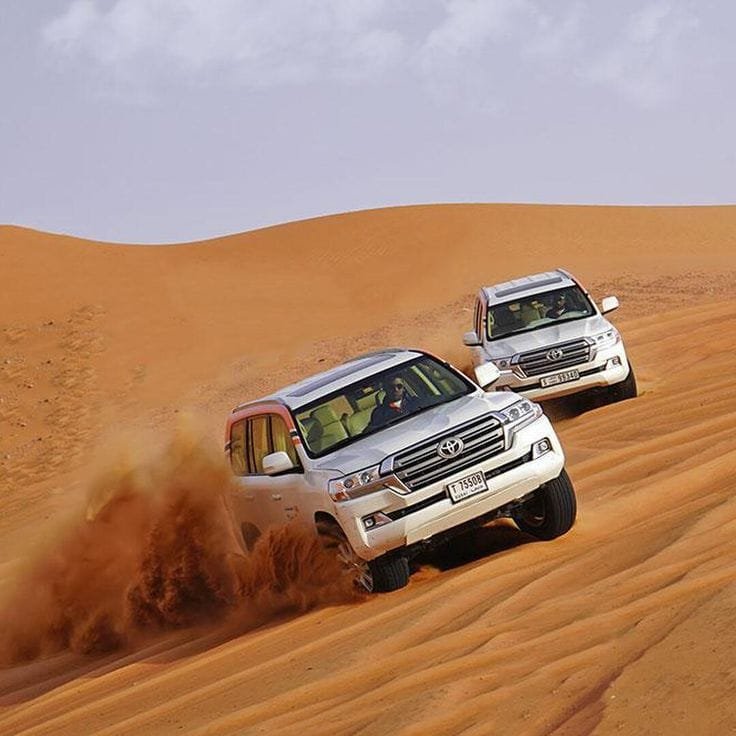
Arabian Cultural Etiquette Guide for Desert Safari Visitors in Abu Dhabi
Experience the Culture, Not Just Read About It
Everything in this etiquette guide comes alive at the camp — the gahwa, the majlis, the falconry, the manners of the desert.
 From AED 35 per person
Evening Safari — The Cultural Evening
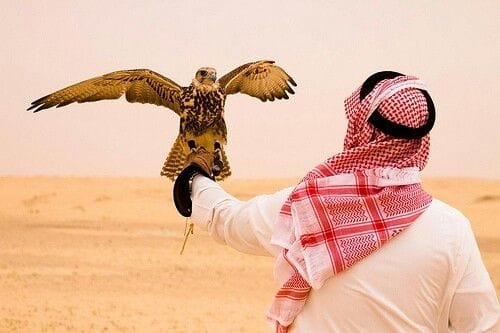
Gahwa and dates on arrival, the falcon on your glove, Tanoura spinning after dinner — the etiquette above, practised warmly around you.
- Falcon show + henna + Tanoura
- BBQ buffet, halal throughout
- AED 50 coach · AED 100 pickup
 AED 599 per car
Private Evening — Ask Every Question
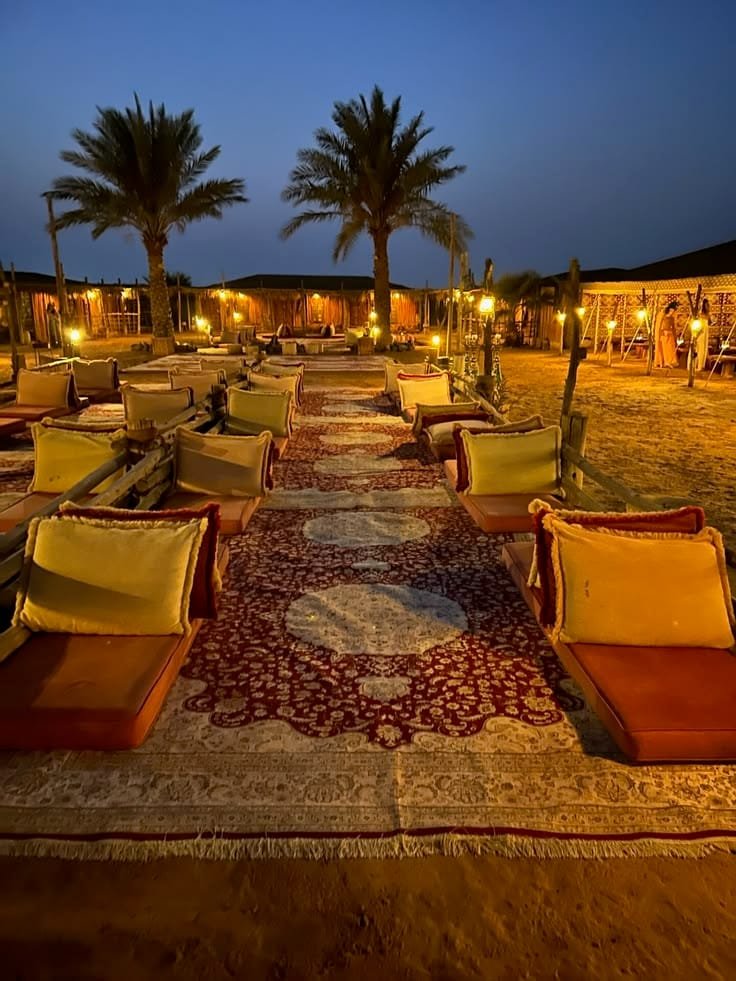
Your own driver-guide means the cultural questions you were shy to ask get answered all evening long.
- Up to 7 guests, one price
- Unhurried camp time
- Land Cruiser AED 800
 Ask on WhatsApp
Overnight — The Deep Version
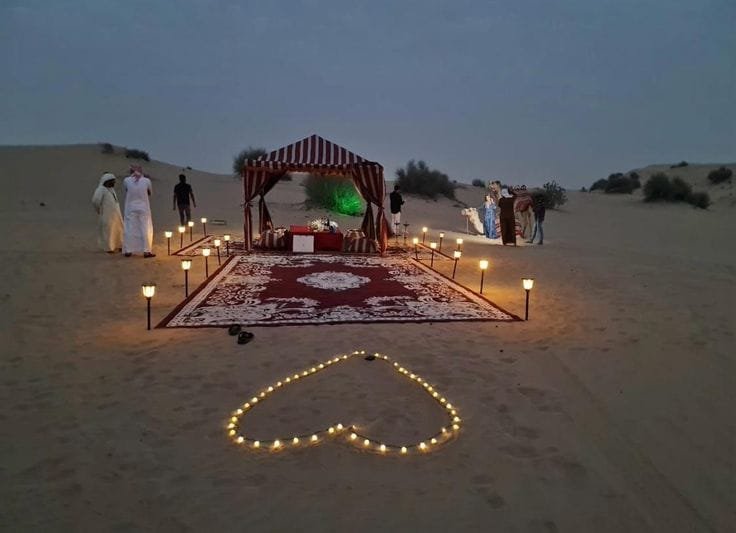
Bedouin hospitality was built around the night: the fire, the coffee rounds, the stories. The overnight is where the culture stops being a show.
- Bonfire + night sky
- Al Khatim or Liwa
- Priced per group
Respecting Arabian culture is essential for a meaningful and authentic desert safari experience. Abu Dhabi’s desert traditions date back centuries, deeply rooted in Bedouin hospitality, Islamic values, and desert customs. Understanding and practicing proper cultural etiquette shows respect, enriches your experience, and ensures you’re welcome in this sacred environment. This guide covers essential cultural practices, dos and don’ts, and how to be a respectful visitor.
Understanding Bedouin Hospitality
Bedouin culture centers on generosity, hospitality, and respect. When you visit a desert camp, you’re entering a space where hospitality is sacred. Accept tea and coffee when offered—refusing is considered impolite. Share meals communally, as dining together symbolizes friendship and acceptance. Your guide will explain traditions and invite you to participate respectfully. Learn proper dining etiquette in our BBQ Guide for authentic meal experiences.
Dress Code and Respectful Clothing
While the desert is casual, modest clothing shows respect for Arabian culture. Wear long pants or skirts rather than shorts. Lightweight, loose-fitting clothing is both respectful and practical for the heat. Women should cover shoulders and avoid transparent fabrics. Head coverings are appreciated but not mandatory for non-Muslim visitors. See our Packing Guide for specific clothing recommendations. Men should also wear shirts and long pants.
Photography tip: Always ask before photographing people—respect is paramount.
Religious Respect and Prayer Times
Islam is central to Emirati culture. Be respectful of prayer times—if your guide pauses for prayer, remain quiet and respectful. Never mock or disrespect religious practices. Avoid eating, drinking, or smoking in front of people who are fasting (during Ramadan). If your safari falls during Ramadan, expect adjusted timings and modified activities out of respect for fasting guides and staff.
Simple respect: Don’t touch the Quran or other religious items. Remove shoes before entering any sacred spaces your guide might show you.
Greetings and Personal Interactions
Arabs value warm greetings. Handshakes are common, though some traditionally observant people may not shake hands across genders. Wait for the other person’s lead. “Assalamu alaikum” (peace be upon you) is a respected greeting. Using Arabic phrases shows respect and appreciation. Simple words like “Shukran” (thank you), “Afwan” (you’re welcome), and “Inshallah” (God willing) demonstrate cultural awareness.
Personal space: Arabs enjoy closer conversation distances than some Western cultures find comfortable—this is normal and shows friendliness.
Dining Etiquette and Food Customs
When eating traditional meals, use bread as a utensil as locals do—this is both respectful and practical. If eating with your hands, always use your right hand (traditionally, the left hand has different cultural significance). Don’t refuse food offered to you—accepting shows gratitude for the host’s generosity. Accept tea and coffee multiple times if offered. If you’re full, place your hand over your cup to politely decline more.
Learn cultural significance of traditional practices in our Henna Guide.
Photography and Consent
Always ask permission before photographing people, especially women. Some visitors prefer privacy. Respect these wishes without question. Taking photos of camels and landscapes is generally fine, but ask your guide about sacred or restricted areas. Never photograph people in prayer or religious ceremonies. Professional photography tips are in our Photography Guide—combine them with cultural respect.
Frequently Asked Questions
Q1: Should I learn Arabic phrases?
A: Yes! Learning simple phrases like “Assalamu alaikum” and “Shukran” shows tremendous respect. Your guides will appreciate the effort and your experience will be richer.
Q2: Can I wear shorts or sleeveless shirts?
A: While technically allowed, modest clothing is more respectful. Wear long pants/skirts and covered shoulders. See our Packing Checklist for appropriate clothing.
Q3: What about alcohol?
A: While UAE permits alcohol in tourist settings, Muslim countries traditionally don’t consume it. If alcohol is offered at your camp, it’s acceptable to drink moderately. Never drink and then disrespect Islamic customs.
Q4: Is it okay to refuse food?
A: It’s better to accept and eat small amounts. Refusing can seem rude. If you have allergies or dietary restrictions, explain these politely when booking.
Q5: What if I accidentally disrespect a tradition?
A: If you accidentally make a mistake, apologize sincerely. Guides understand tourists are learning and will appreciate your respect and effort.
Q6: Can I bargain at the camp?
A: No—prices are set. Bargaining isn’t part of tourism culture here. Our prices are transparent and fair. See our Booking Guide for pricing transparency.
Q7: What topics should I avoid discussing?
A: Avoid controversial discussions about religion or politics unless guides initiate. Keep conversations light, friendly, and respectful. Ask guides about their experiences and culture—they love sharing.
Q8: How do I show appreciation for good service?
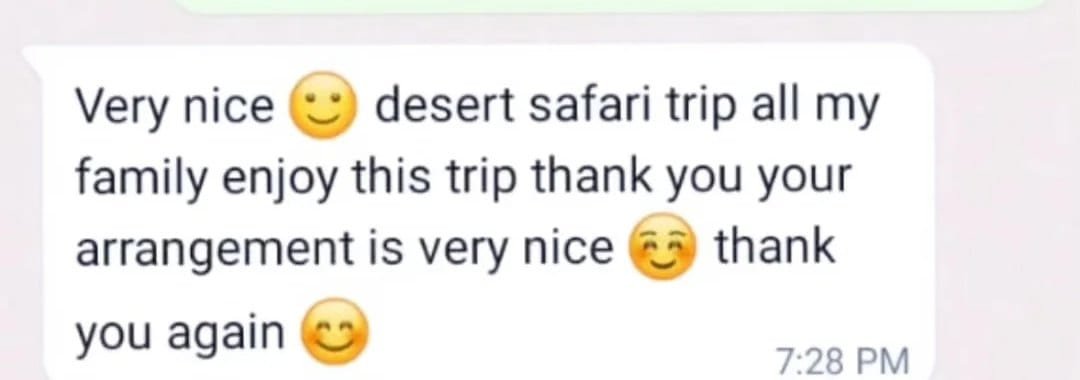
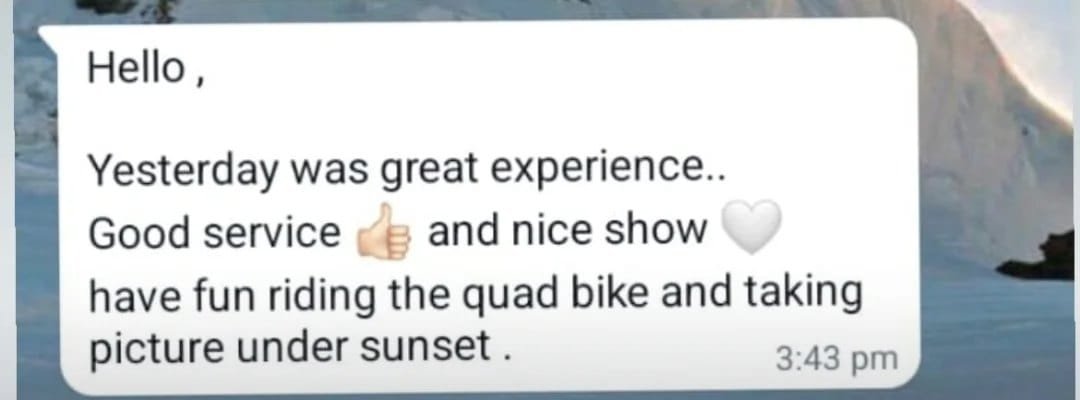
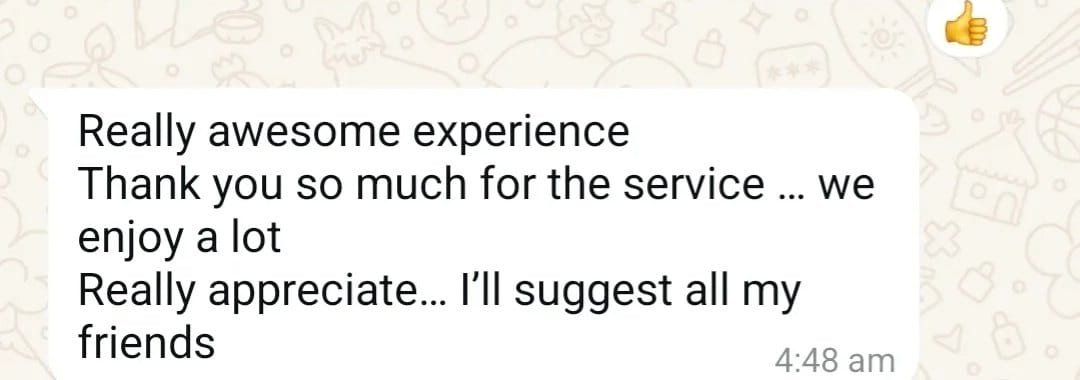
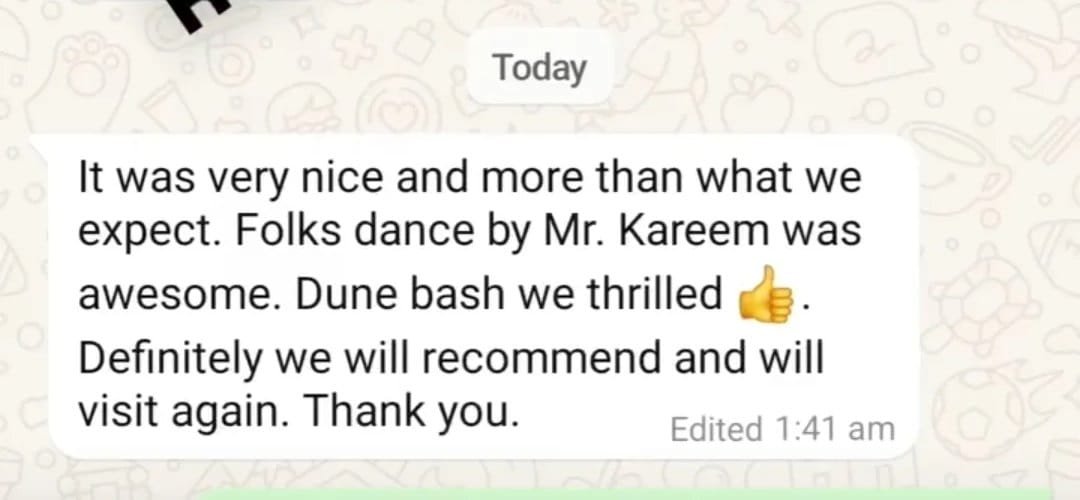
A: Verbal thanks is appropriate. Tipping isn’t expected but small tips (5-10% for exceptional service) are appreciated. Honest, positive reviews matter tremendously.
Experience Authentic Culture Respectfully
Your cultural respect creates magical experiences for everyone!
✅ Learn basic Arabic phrases
✅ Dress modestly and respectfully
✅ Respect prayer times and religious customs
✅ Accept hospitality graciously
✅ Ask before photographing people
✅ Use your right hand for eating
✅ Be genuinely interested in local culture
✅ Express gratitude sincerely
✅ 4.9-star quality guarantee
✅ Professional guides who appreciate cultural respect
✅ Packages from AED 35
✅ FREE cancellation up to 24 hours
✅ Authentic experiences with genuine cultural exchange
📱 BOOK YOUR CULTURALLY RESPECTFUL SAFARI
✓ CLICK TO BOOK ON WHATSAPP
WhatsApp: +971 58 228 2683
💬 Message us: “I want to book an authentic cultural safari” and we’ll provide cultural briefing before your adventure!
Why Respect Matters in Our Culture
✅ Genuine cultural exchange and connection
✅ Richer, more meaningful experiences
✅ Professional, respectful guides
✅ Authentic Bedouin hospitality
✅ Unforgettable memories
✅ Support for cultural preservation
Book your respectful, authentic Arabian desert safari today!

Continue Planning Your Trip
- About Royal Arabian SafariYour Al Khatim Desert Specialists
- Xtreme Abu Dhabi Desert Safari vs Royal Arabian Safari: The Honest Comparison
- Experience Desert Wildlife Responsibly
- Evening Desert Safari Abu Dhabi
- Abu Dhabi Desert Safari Prices
- What to Wear on a Desert Safari in Abu Dhabi
- Best Time for a Desert Safari in Abu Dhabi
- Desert Safari Packages Abu Dhabi
- Abu Dhabi Desert Safari Booking — Confirmed in Minutes
- Morning Desert Safari Abu Dhabi
Frequently Asked Questions
What is included in the Abu Dhabi desert safari?
Every evening package includes 4×4 dune bashing, a short camel ride, sandboarding, a sunset photo stop, Arabic costume for photos, henna for ladies, a full BBQ buffet dinner with vegetarian and non-vegetarian options, unlimited soft drinks, water, Arabic coffee and tea, a shisha corner, separate washrooms and around eight live shows including tanoura, belly dance and a fire show.
How much does a desert safari in Abu Dhabi cost?
Booking direct with us: AED 35 self-drive, AED 50 shared bus from Al Wahda or Mazyad Mall, AED 100 shared hotel pickup, AED 599 for a private 7-seater car and AED 800 for a private Land Cruiser. Agencies and hotel desks typically charge AED 180 to 250 per person for the same evening because they add commission on top of an operator price.
What time does the desert safari start and finish?
Pickup is usually 3:00 to 3:30 PM and you are back in the city around 10:00 to 10:30 PM. Timings follow sunset, so in December pickup moves earlier and in June it moves later.
Where does the desert safari take place?
At our own DCT-licensed camp in the Al Khatim desert, roughly 80 km east of Abu Dhabi city along the E22 Abu Dhabi to Al Ain highway, about a 50 to 60 minute drive. The Al Khatim ridges rise over 100 metres, which is considerably taller than the roadside dunes some operators use, and there is far less traffic on the sand.
How do I book?
Message us on WhatsApp with your date and group size. We reply with the exact total, no deposit and no booking fee, and you pay at the camp on the day. Free cancellation applies up to 24 hours before.
Is hotel pickup included?
Yes on the AED 100 shared pickup, the AED 599 private car and the AED 800 Land Cruiser, covering the whole city including the Corniche, Al Maryah, Al Reem, Downtown, Khalifa City, Mussafah, Yas Island, Saadiyat, Shabiya and the airport. The AED 50 package departs from Al Wahda Mall or Mazyad Mall, and AED 35 is self-drive using a GPS pin we send you.
Do I need a 4×4 for the self-drive option?
No. You drive on tarmac to a meeting point, so any standard car or rental reaches it comfortably. Our team takes over there in a proper 4×4 for the dune bashing.
How long is the dune bashing?
Around 40 to 45 minutes with short breaks. Tyres are deflated to roughly 15 psi first so they float on the sand. Intensity is adjustable at any point — tell your driver you want it gentle and it becomes a scenic drive.
Is dune bashing safe?
Yes with a licensed operator. Every passenger wears a seatbelt, vehicles are maintained and insured, drivers are trained specifically for dune driving, and vehicles travel in convoy so recovery is immediate. You can ask to stop at any time.
Can I do the safari without dune bashing?
Yes. Book the self-drive package and come straight to the camp, or ask for a direct transfer on a private car. You still get the sunset, camel ride, sandboarding, dinner and every show. This is the right choice for pregnant guests and anyone with back, neck or heart conditions.
What food is served at the camp?
A full BBQ buffet: salads and mezze including fattoush, hummus and Arabic bread; rice dishes, dal, pasta and mixed vegetable sabzi; chicken tikka, shish taouk, lamb seekh kebab and fish from the grill; Om Ali and fresh fruit for dessert. All 100% halal, with unlimited soft drinks, water, Arabic coffee and tea.
Are vegetarian and special diets catered for?
Vegetarian options are always available as standard, and the whole buffet is halal. Vegan, Jain, gluten-free and allergy requirements can be accommodated with advance notice — tell us when you book and we will confirm what will be on the table.
Is alcohol available?
No. Alcohol is not served or permitted at our camp and guests should not bring their own. Unlimited soft drinks, water, Arabic coffee and tea are included, and shisha is available at the camp.
What should I wear?
Loose, light-coloured clothing that covers shoulders and knees, and closed shoes such as trainers you do not mind filling with sand. From October to April bring a jacket — camp temperatures drop to 13 to 22 degrees after sunset. Avoid flip-flops, heels and skinny jeans.
Is the safari suitable for children?
Yes, from about age three. Ask for gentle dune bashing when you book, bring closed shoes and a spare set of clothes because sandboarding puts sand into everything, and pack a warm layer from November to March.
Can I add quad biking or a buggy?
Yes. Quad bikes are AED 100 single seater and AED 150 double, the Can-Am buggy is from AED 600 for 30 minutes, VIP majlis seating is +AED 50 per person, the falcon photo is AED 10–30 and professional photography starts at AED 50. Nothing is required and nothing is upsold under pressure at the camp.
What is the best time of year for a desert safari?
November to March gives the most comfortable conditions. October and April are excellent value with near-peak evenings and far fewer people. From May to September the morning safari is more comfortable than the evening one.
Is there a morning safari option?
Yes. The morning safari is a private premium product at AED 700 per car for up to 7 guests and does not include dinner or the live shows. It suits summer travel, photographers, families with young children and anyone with an evening flight.
What happens if it rains?
Abu Dhabi averages fewer than ten rainy days a year, almost all December to March. Light rain does not stop the safari and the desert afterwards is spectacular. If heavy rain or a strong wind would genuinely spoil the experience we move your date at no cost.
Are there toilets at the camp?
Yes. The camp has clean, separate washrooms for men and women, plus a prayer space, lighting and seating for every guest.
Planning the Rest of Your Abu Dhabi Trip
Most guests who book the dunes with us also want a day in the capital. These guides cover the practical detail:
- the Sheikh Zayed Grand Mosque tour — entry is free, but the dress code is stricter than most visitors expect
Be Our Guest at the Camp
Evening from AED 35, private car AED 599. The etiquette is simple: come hungry, come curious.
One Comment