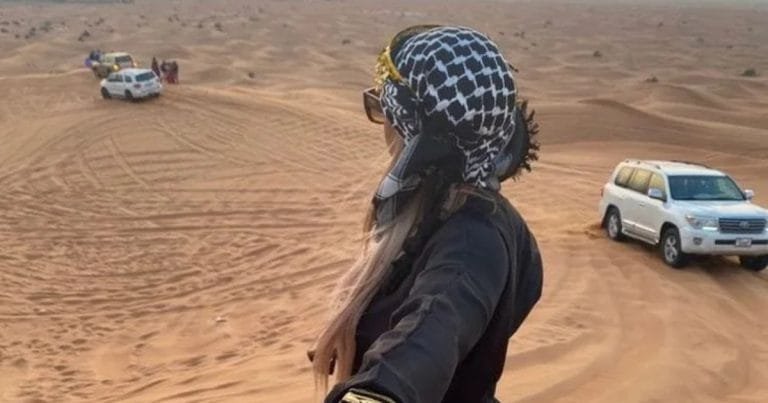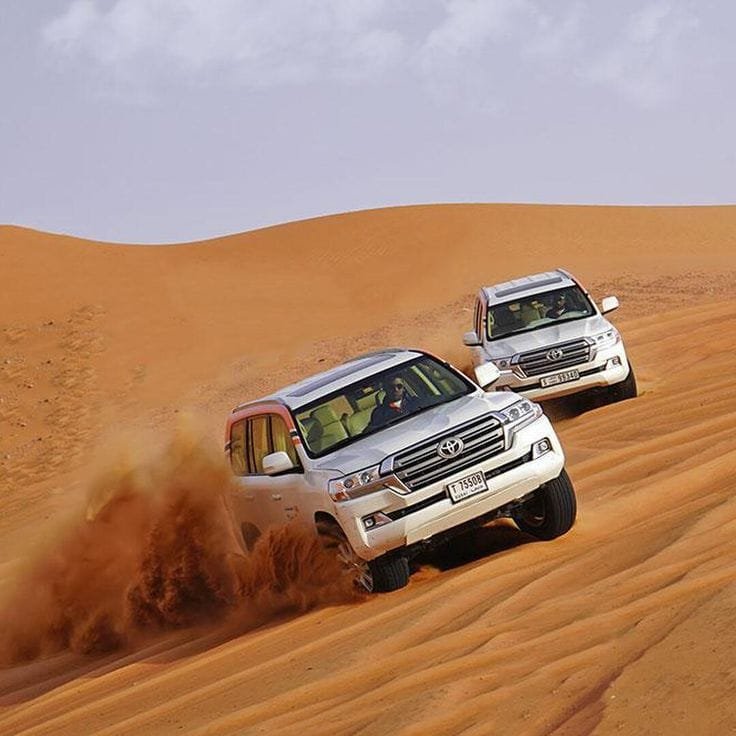
Arabian Desert Wildlife & Conservation – Abu Dhabi Safari Guide
See the Desert’s Wildlife for Yourself
The animals in this guide live in the dunes we drive every day. These are the runs where guests actually see them.
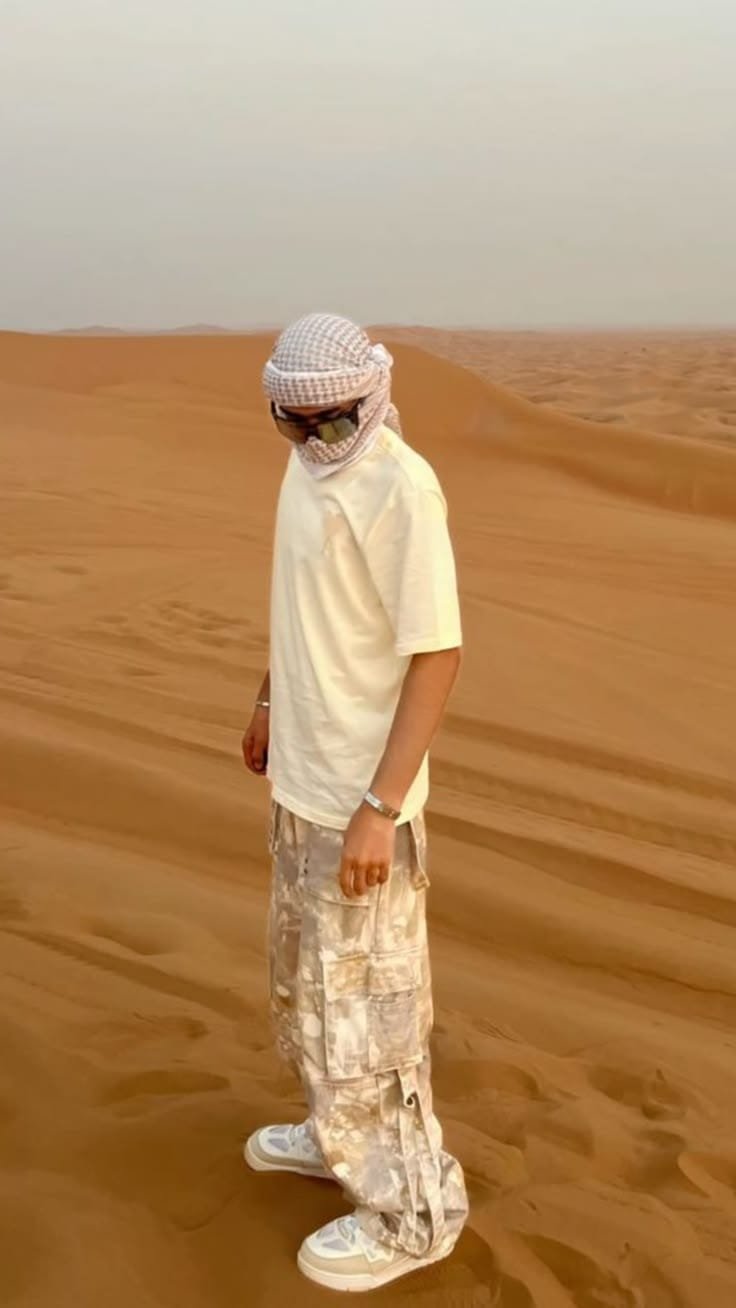 AED 700 per car
Morning Safari — Best for Wildlife
Tracks are freshest at dawn: gazelle prints, beetle trails and the lizards out before the heat. The naturalist’s slot.
- Coolest, most active hours
- Private vehicle, up to 7
- Best light for photography
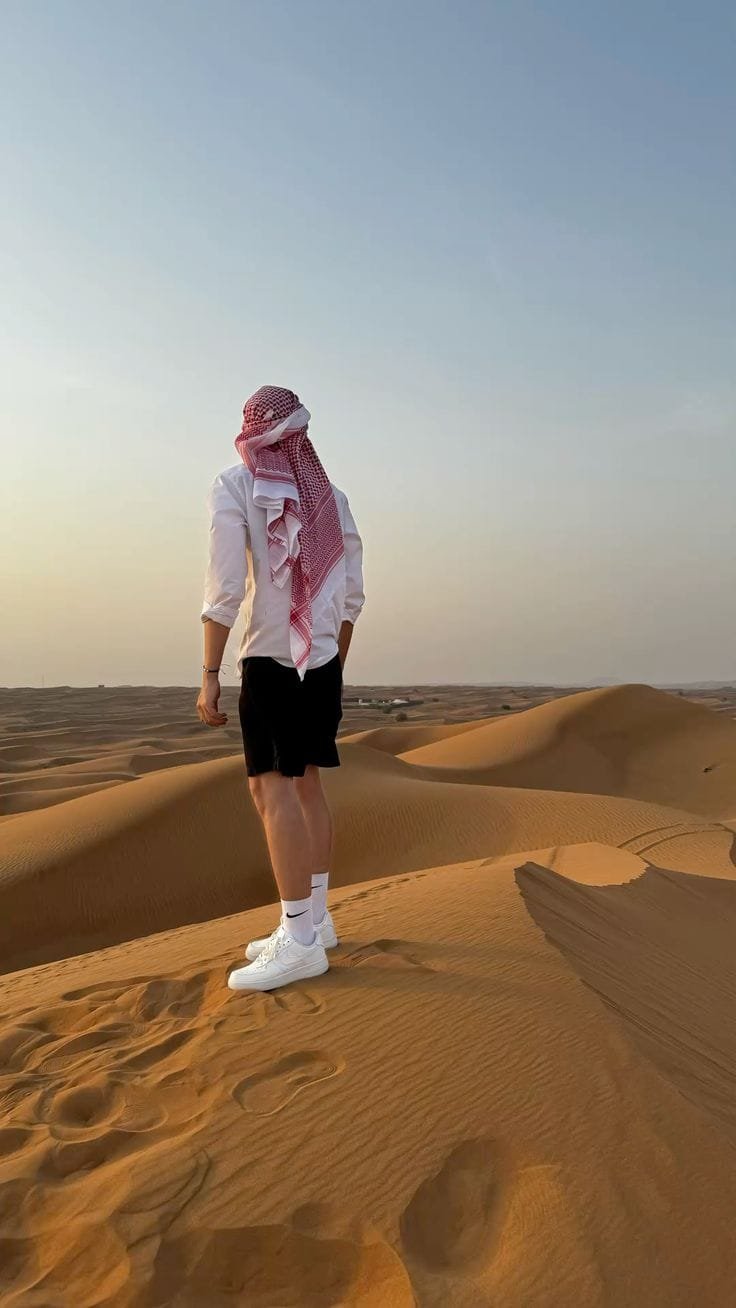 From AED 35 per person
Evening Safari
Dusk is the desert’s second shift — and the camel ride puts you eye to eye with the animal that made this desert liveable.
- Camel ride included
- Falcon show at the camp
- AED 50 coach · AED 100 pickup
 Ask on WhatsApp
Overnight — The Night Shift
Most desert wildlife is nocturnal. An overnight is the only run where the desert’s real residents come out around you.
- Night sounds, dawn tracks
- Liwa or Al Khatim options
- Priced per group
Abu Dhabi’s desert is home to fascinating wildlife adapted to extreme environments. Despite the harsh landscape, the region hosts diverse species from desert foxes to Arabian oryx. Understanding desert wildlife enriches your safari experience while respecting conservation efforts. This guide explores the animals you might encounter, their fascinating adaptations, and the conservation initiatives protecting them.
Arabian Oryx – The Desert’s Royal Jewel
The Arabian oryx is the iconic desert animal—majestic white antelope with long curved horns. Nearly hunted to extinction by the 1970s, the “Operation Oryx” reintroduction program successfully restored their population. Today, you might see wild herds in the desert during your safari. Their distinctive long horns and pure white coat reflect desert sunlight, helping them stay cool. Arabian culture reveres the oryx as a symbol of grace and strength.
Dromedary Camels – The Desert’s Masters
Camels are the safari’s most recognized animals. These remarkable creatures are perfectly adapted to desert life. Single humps store fat (not water—a common misconception), providing energy for weeks without food. Their broad feet prevent sinking in sand. Thick fur protects from sun. Special eyelids and ear structures prevent sand intrusion. Experience camel riding in our complete guide. These gentle giants are integral to Bedouin culture.
Desert Foxes & Jackals – Nocturnal Hunters
Red foxes, fennec foxes, and Arabian jackals roam the desert. Most are nocturnal, emerging at dusk to hunt small rodents. Their large ears help dissipate heat while listening for prey. You’ll rarely see them during daytime safaris, but guides point out tracks and scat evidence. These animals are essential for pest control in the ecosystem. Respect their space—observe from distance.
Desert Birds – Colorful Sky Dwellers
Desert raptors include eagles, falcons, and buzzards hunting small mammals and birds. Desert larks, sandgrouse, and bustards feed on seeds and insects. The desert’s thermal currents allow eagles to soar effortlessly for hours. Binoculars enhance bird watching. Winter months bring migratory species. Professional bird guides can identify 30+ species during a safari.
Reptiles – Desert Survivors
Desert vipers, skinks, and geckos are perfectly adapted to heat and aridity. Lizards change color to regulate temperature. Snakes are rarely encountered but present. Most reptiles are shy and avoid humans. Guides teach you to identify them safely. These creatures play crucial ecosystem roles controlling insect populations. Pack binoculars for close observation.
Conservation Efforts & Sustainable Tourism
Abu Dhabi’s government actively protects wildlife through national reserves, breeding programs, and habitat preservation. Tourism operators like us follow strict guidelines ensuring minimal environmental impact. We support conservation through:
✅ Sustainable tour practices
✅ Wildlife protection education
✅ Habitat preservation funding
✅ Anti-poaching initiatives
✅ Research support programs
Your safari directly supports these conservation efforts through our responsible tourism practices.
Desert Wildlife FAQs
Q1: Will I definitely see wildlife during my safari?
A: Wildlife sightings depend on season and time of day. Camels are guaranteed. Desert foxes, oryx, and birds are common but not guaranteed. Your guide knows best locations for wildlife.
Q2: Are the animals safe?
A: Yes. Arabian wildlife avoids humans. Professional guides maintain safe distances and follow protocols. See our complete safety guide.
Q3: Can I touch or feed the animals?
A: No. This protects wildlife and you. Camels might be touched briefly under guide supervision during rides, but feeding is prohibited.
Q4: What’s the best season for wildlife observation?
A: October-March when temperatures are cooler and animals are more active. See our seasonal guide for details.
Q5: Can professional photographers join for wildlife shots?
A: Absolutely! Our photography guide covers wildlife photography. VIP packages include professional photography service.
Q6: How does tourism help conservation?
A: Revenue supports habitat protection, breeding programs, anti-poaching efforts, and research. Responsible tourism like ours ensures wildlife thrives.
Q7: What camera equipment is best for wildlife photography?
A: A zoom lens (200mm+) helps capture distant animals without disturbing them. Smartphone cameras work for closer encounters. See detailed photography tips.
Q8: Are endangered species protected?
A: Yes. Arabian oryx, Arabian leopards (rarely seen), and other endangered species have strict protection. We follow all conservation regulations.
Experience Desert Wildlife Responsibly

✅ Fascinating wildlife encounters
✅ Educational guides explaining animal behavior
✅ Responsible wildlife observation
✅ Supporting conservation efforts
✅ 4.9-star rating for responsible tourism
✅ Packages from AED 35
✅ FREE cancellation (24 hours)
📱 BOOK YOUR WILDLIFE SAFARI NOW
✓ CLICK TO BOOK ON WHATSAPP
WhatsApp: +971 58 228 2683
💬 Message us: “I want to book a wildlife-focused safari” and we’ll provide expert guides for maximum animal sightings!
Why Choose Us for Wildlife Safaris
✅ Expert naturalist guides
✅ Best wildlife viewing locations
✅ Responsible conservation practices
✅ Educational wildlife interpretation
✅ Professional photography support
✅ Sustainable tourism commitment
✅ Trusted by 1000+ wildlife enthusiasts
Discover Abu Dhabi’s incredible desert wildlife with us!


Continue Planning Your Trip
- About Royal Arabian SafariYour Al Khatim Desert Specialists
- Xtreme Abu Dhabi Desert Safari vs Royal Arabian Safari: The Honest Comparison
- Experience Authentic Culture Respectfully
- Evening Desert Safari Abu Dhabi
- Abu Dhabi Desert Safari Prices
- What to Wear on a Desert Safari in Abu Dhabi
- Best Time for a Desert Safari in Abu Dhabi
- Desert Safari Packages Abu Dhabi
- Abu Dhabi Desert Safari Booking — Confirmed in Minutes
- Morning Desert Safari Abu Dhabi
Frequently Asked Questions
What is included in the Abu Dhabi desert safari?
Every evening package includes 4×4 dune bashing, a short camel ride, sandboarding, a sunset photo stop, Arabic costume for photos, henna for ladies, a full BBQ buffet dinner with vegetarian and non-vegetarian options, unlimited soft drinks, water, Arabic coffee and tea, a shisha corner, separate washrooms and around eight live shows including tanoura, belly dance and a fire show.
How much does a desert safari in Abu Dhabi cost?
Booking direct with us: AED 35 self-drive, AED 50 shared bus from Al Wahda or Mazyad Mall, AED 100 shared hotel pickup, AED 599 for a private 7-seater car and AED 800 for a private Land Cruiser. Agencies and hotel desks typically charge AED 180 to 250 per person for the same evening because they add commission on top of an operator price.
What time does the desert safari start and finish?
Pickup is usually 3:00 to 3:30 PM and you are back in the city around 10:00 to 10:30 PM. Timings follow sunset, so in December pickup moves earlier and in June it moves later.
Where does the desert safari take place?
At our own DCT-licensed camp in the Al Khatim desert, roughly 80 km east of Abu Dhabi city along the E22 Abu Dhabi to Al Ain highway, about a 50 to 60 minute drive. The Al Khatim ridges rise over 100 metres, which is considerably taller than the roadside dunes some operators use, and there is far less traffic on the sand.
How do I book?
Message us on WhatsApp with your date and group size. We reply with the exact total, no deposit and no booking fee, and you pay at the camp on the day. Free cancellation applies up to 24 hours before.
Is hotel pickup included?
Yes on the AED 100 shared pickup, the AED 599 private car and the AED 800 Land Cruiser, covering the whole city including the Corniche, Al Maryah, Al Reem, Downtown, Khalifa City, Mussafah, Yas Island, Saadiyat, Shabiya and the airport. The AED 50 package departs from Al Wahda Mall or Mazyad Mall, and AED 35 is self-drive using a GPS pin we send you.
Do I need a 4×4 for the self-drive option?
No. You drive on tarmac to a meeting point, so any standard car or rental reaches it comfortably. Our team takes over there in a proper 4×4 for the dune bashing.
How long is the dune bashing?
Around 40 to 45 minutes with short breaks. Tyres are deflated to roughly 15 psi first so they float on the sand. Intensity is adjustable at any point — tell your driver you want it gentle and it becomes a scenic drive.
Is dune bashing safe?
Yes with a licensed operator. Every passenger wears a seatbelt, vehicles are maintained and insured, drivers are trained specifically for dune driving, and vehicles travel in convoy so recovery is immediate. You can ask to stop at any time.
Can I do the safari without dune bashing?
Yes. Book the self-drive package and come straight to the camp, or ask for a direct transfer on a private car. You still get the sunset, camel ride, sandboarding, dinner and every show. This is the right choice for pregnant guests and anyone with back, neck or heart conditions.
What food is served at the camp?
A full BBQ buffet: salads and mezze including fattoush, hummus and Arabic bread; rice dishes, dal, pasta and mixed vegetable sabzi; chicken tikka, shish taouk, lamb seekh kebab and fish from the grill; Om Ali and fresh fruit for dessert. All 100% halal, with unlimited soft drinks, water, Arabic coffee and tea.
Are vegetarian and special diets catered for?
Vegetarian options are always available as standard, and the whole buffet is halal. Vegan, Jain, gluten-free and allergy requirements can be accommodated with advance notice — tell us when you book and we will confirm what will be on the table.
Is alcohol available?
No. Alcohol is not served or permitted at our camp and guests should not bring their own. Unlimited soft drinks, water, Arabic coffee and tea are included, and shisha is available at the camp.
What should I wear?
Loose, light-coloured clothing that covers shoulders and knees, and closed shoes such as trainers you do not mind filling with sand. From October to April bring a jacket — camp temperatures drop to 13 to 22 degrees after sunset. Avoid flip-flops, heels and skinny jeans.
Is the safari suitable for children?
Yes, from about age three. Ask for gentle dune bashing when you book, bring closed shoes and a spare set of clothes because sandboarding puts sand into everything, and pack a warm layer from November to March.
Can I add quad biking or a buggy?
Yes. Quad bikes are AED 100 single seater and AED 150 double, the Can-Am buggy is from AED 600 for 30 minutes, VIP majlis seating is +AED 50 per person, the falcon photo is AED 10–30 and professional photography starts at AED 50. Nothing is required and nothing is upsold under pressure at the camp.
What is the best time of year for a desert safari?
November to March gives the most comfortable conditions. October and April are excellent value with near-peak evenings and far fewer people. From May to September the morning safari is more comfortable than the evening one.
Is there a morning safari option?
Yes. The morning safari is a private premium product at AED 700 per car for up to 7 guests and does not include dinner or the live shows. It suits summer travel, photographers, families with young children and anyone with an evening flight.
What happens if it rains?
Abu Dhabi averages fewer than ten rainy days a year, almost all December to March. Light rain does not stop the safari and the desert afterwards is spectacular. If heavy rain or a strong wind would genuinely spoil the experience we move your date at no cost.
Are there toilets at the camp?
Yes. The camp has clean, separate washrooms for men and women, plus a prayer space, lighting and seating for every guest.
Planning the Rest of Your Abu Dhabi Trip
Most guests who book the dunes with us also want a day in the capital. These guides cover the practical detail:
- SeaWorld Abu Dhabi — the eight realms, ticket options and the no-orca question
Meet the Desert’s Residents
Morning AED 700 per car, evening from AED 35. No deposit.